Images

forgingUS connects you with primary sources, creating accessible ways to explore the people, places, events, and ideas that shaped the United States.

forgingUS brings together primary sources and authoritative scholarship to create engaging new ways to explore American history. Discover documents and follow connections across people, places, events, and ideas through exhibits, maps, timelines, videos, and interactive features.
The closer you get to the original documents, the more surprises you uncover.
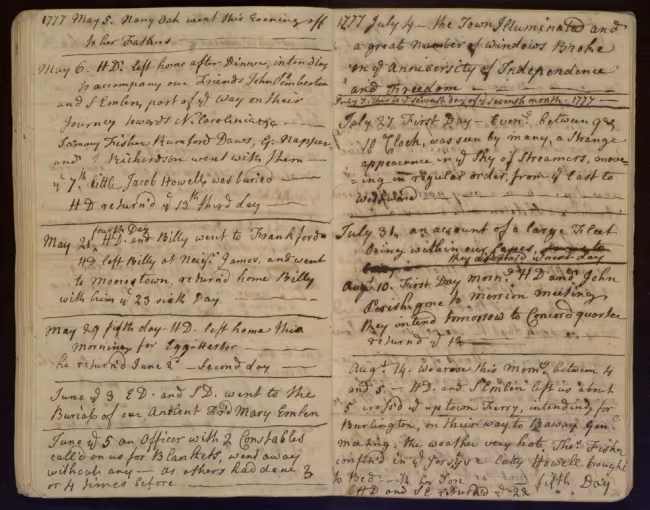
Read transcriptions of primary sources alongside images of the original manuscripts.
Images
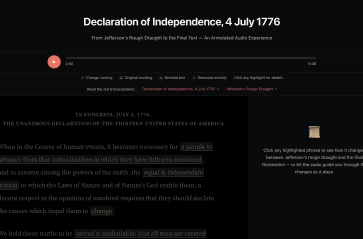
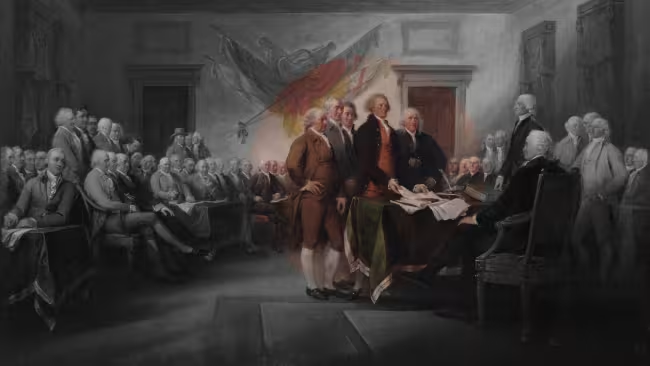
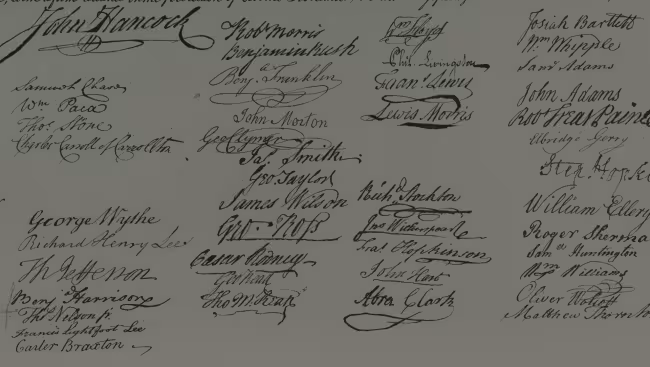
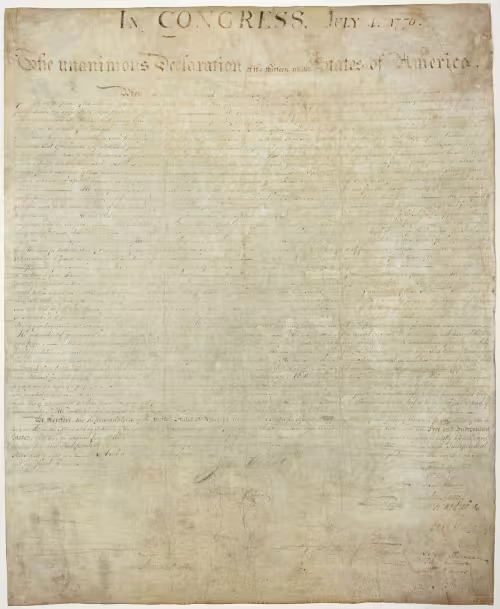
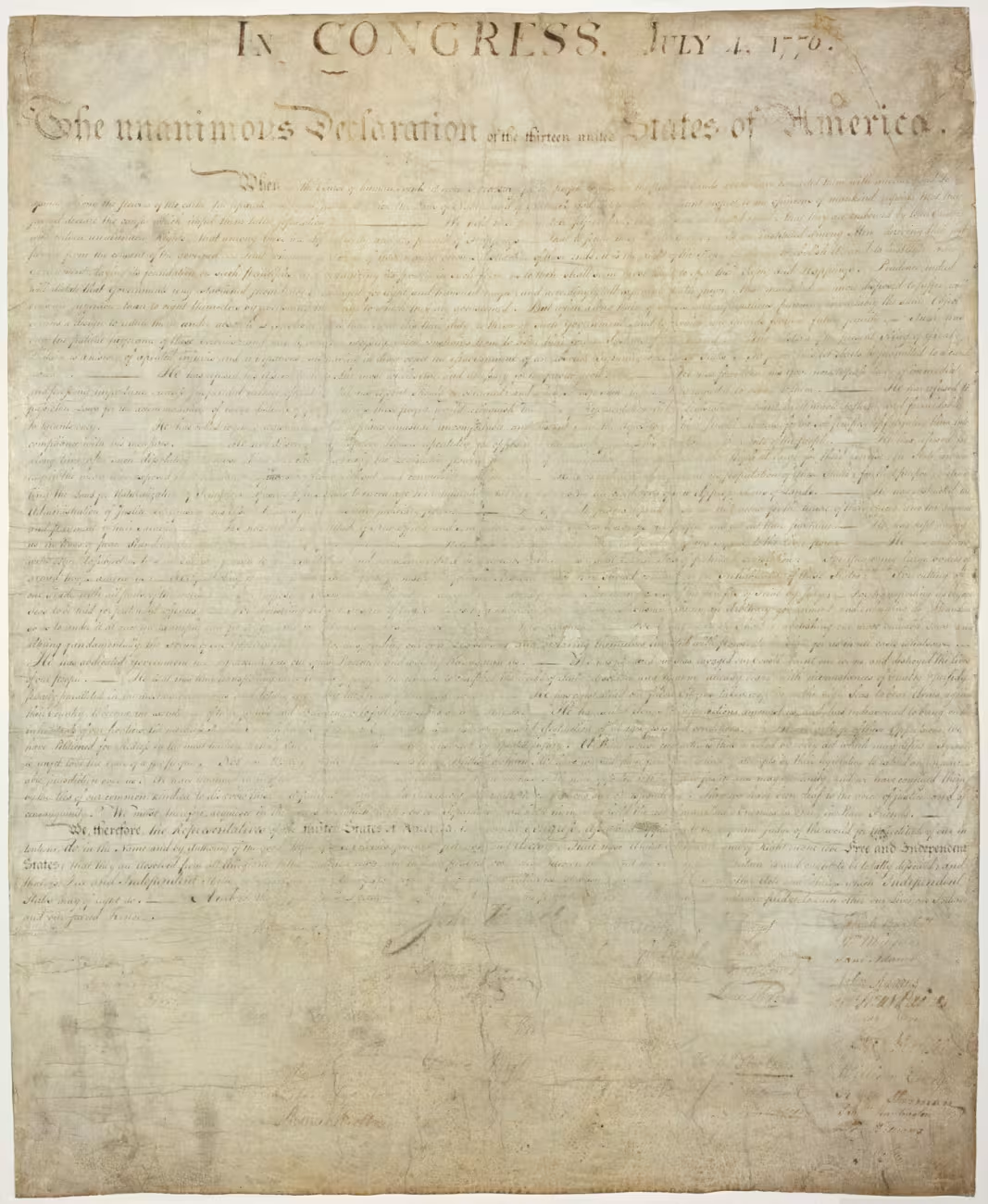
Declaration of Independence, 4 July 1776
This foundational document declares American independence from Britain and outlines the grievances that led to this break.
Images
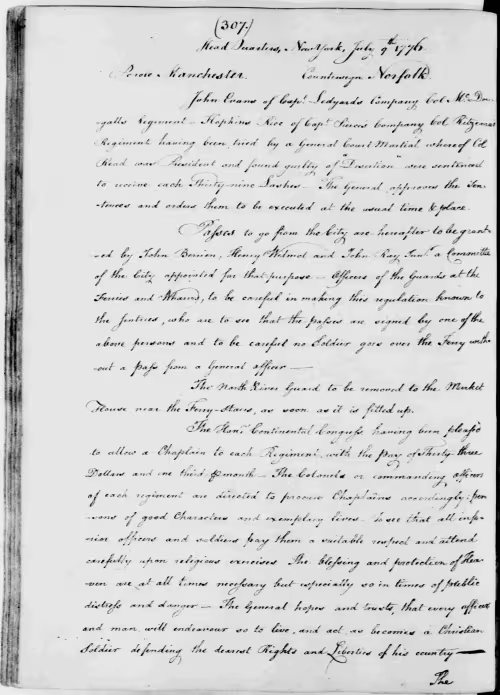
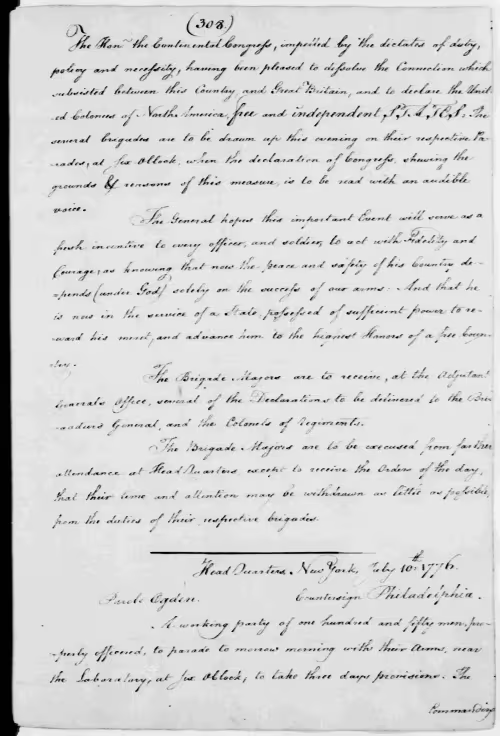
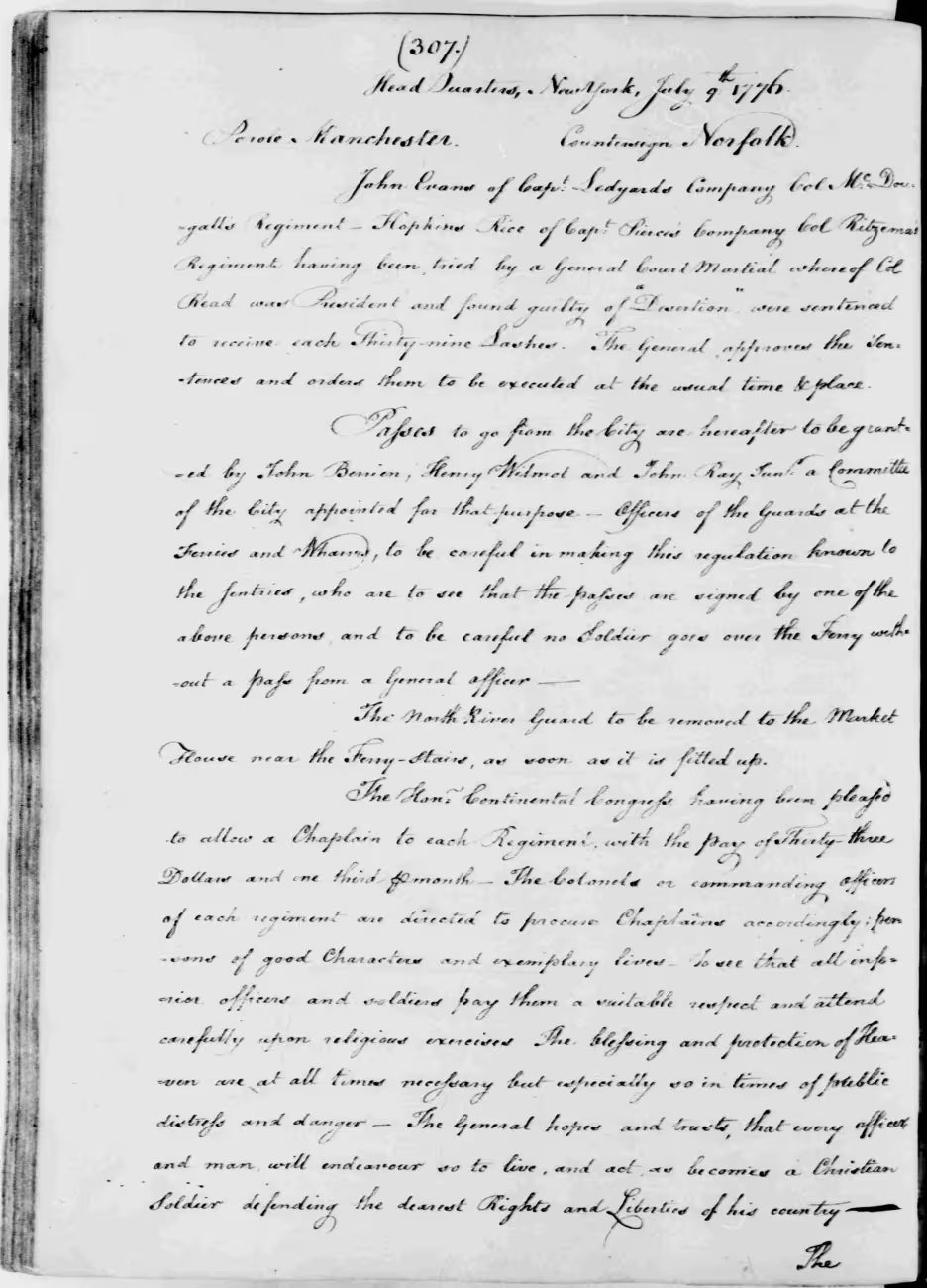
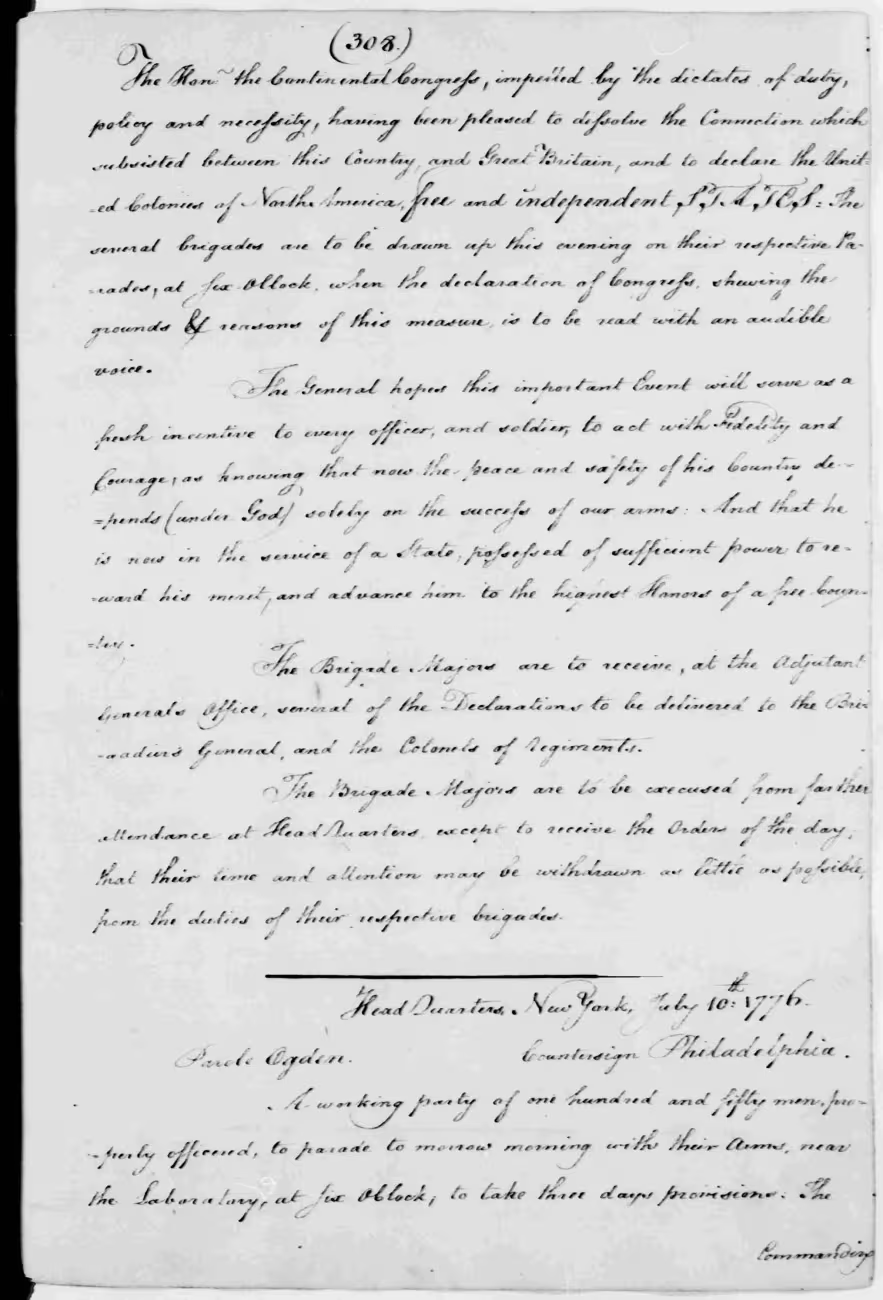
General Orders, 9 July 1776
Orders instructing brigades to read the Declaration of Independence to troops, marking the first official military announcement of American independence.
Images
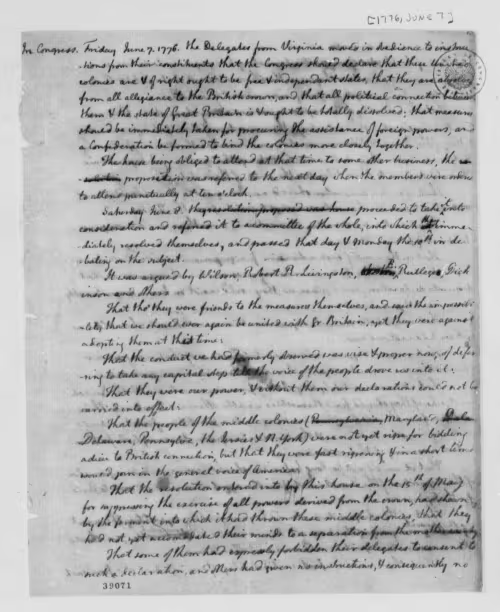
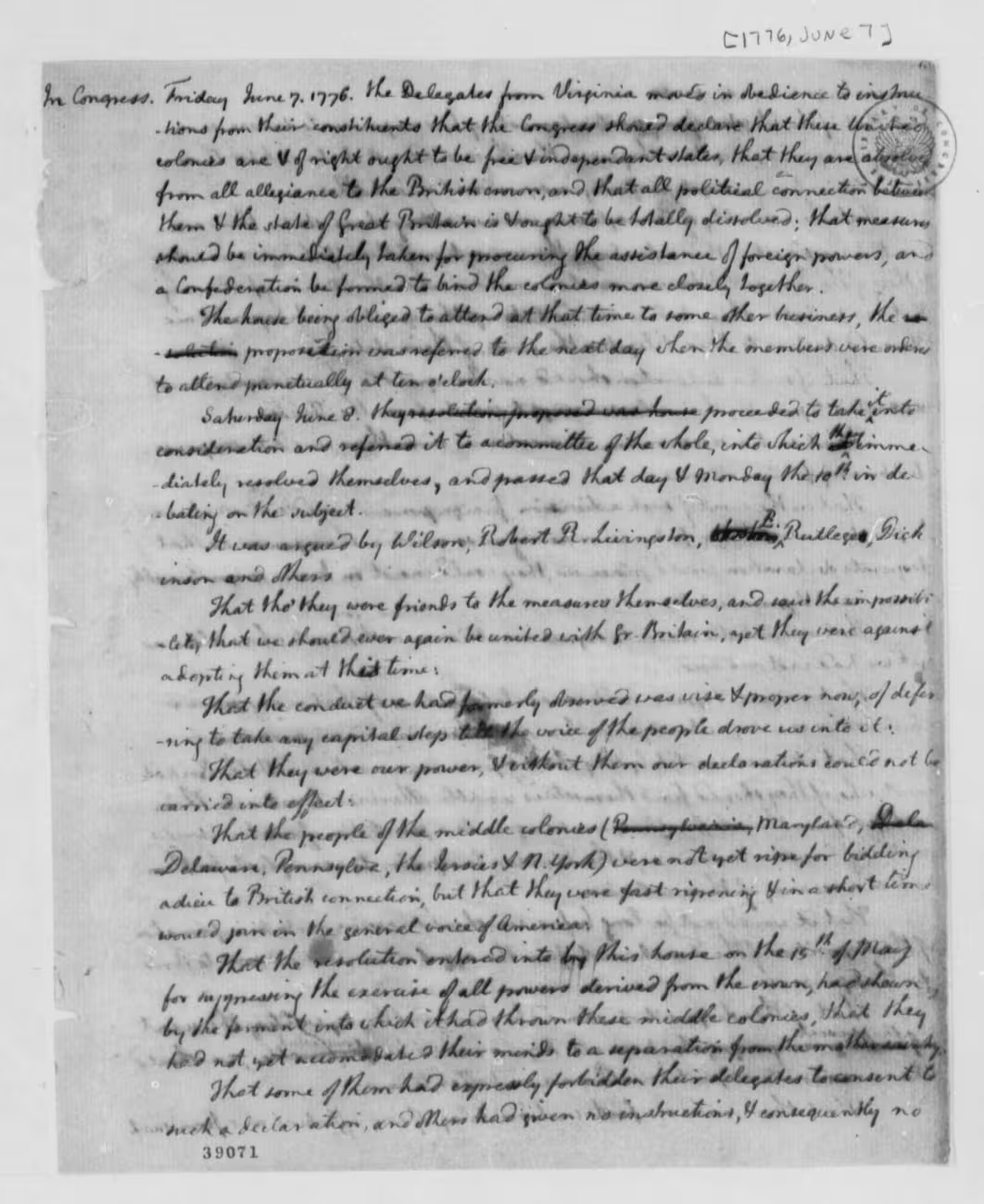
Thomas Jefferson, Notes of Proceedings in the Continental Congress, 7 June–1 August 1776
Jefferson's detailed notes documenting Congressional debates over the Declaration of Independence.
Images
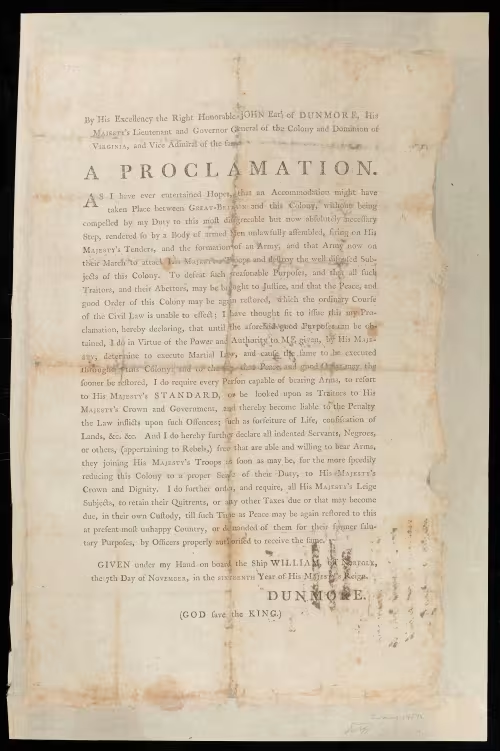
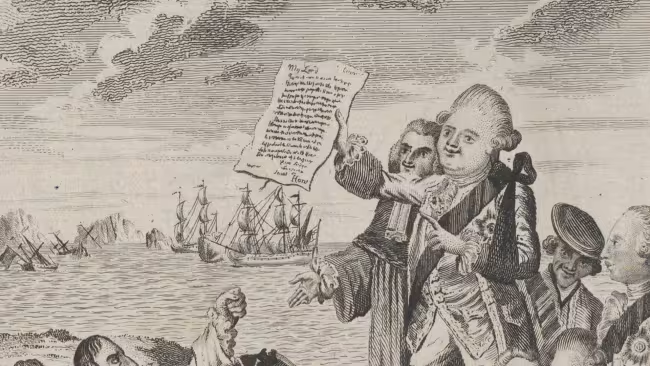
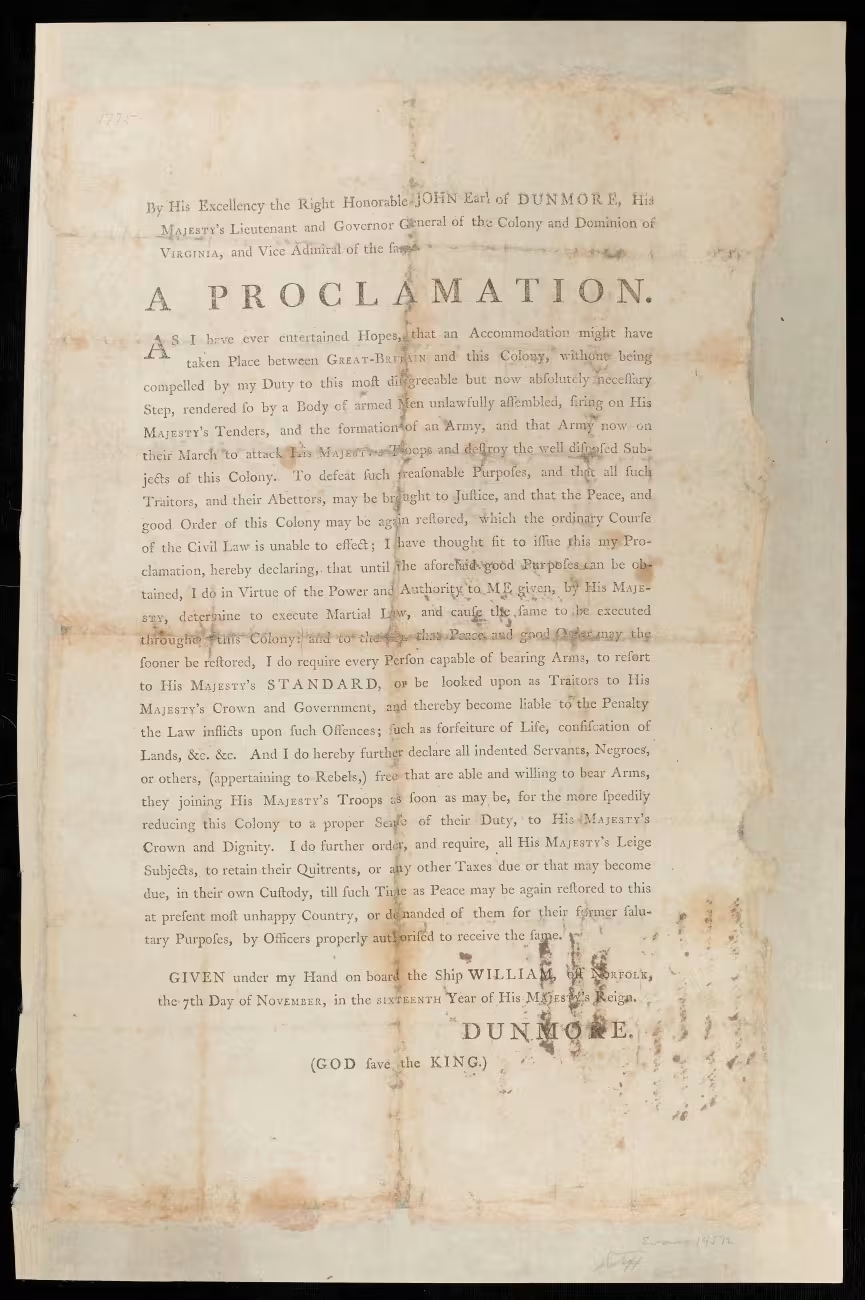
Lord Dunmore's Proclamation, 7 November 1775
Virginia's royal governor declares martial law and promises freedom to enslaved people who join British forces.
Every document has a voice. Hearing speeches, letters, diaries, and petitions helps history feel alive.
Images
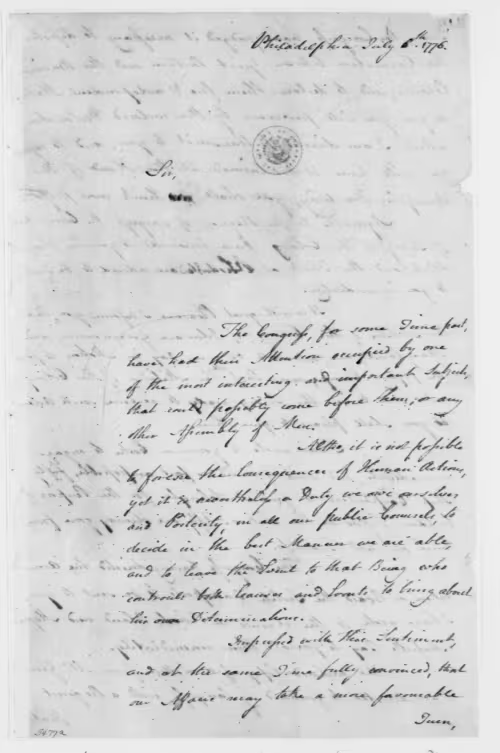
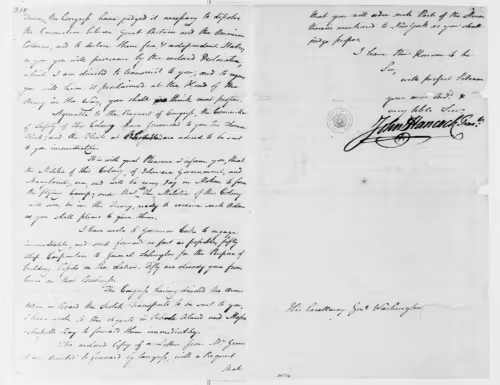
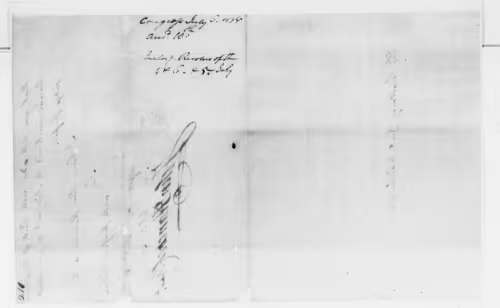
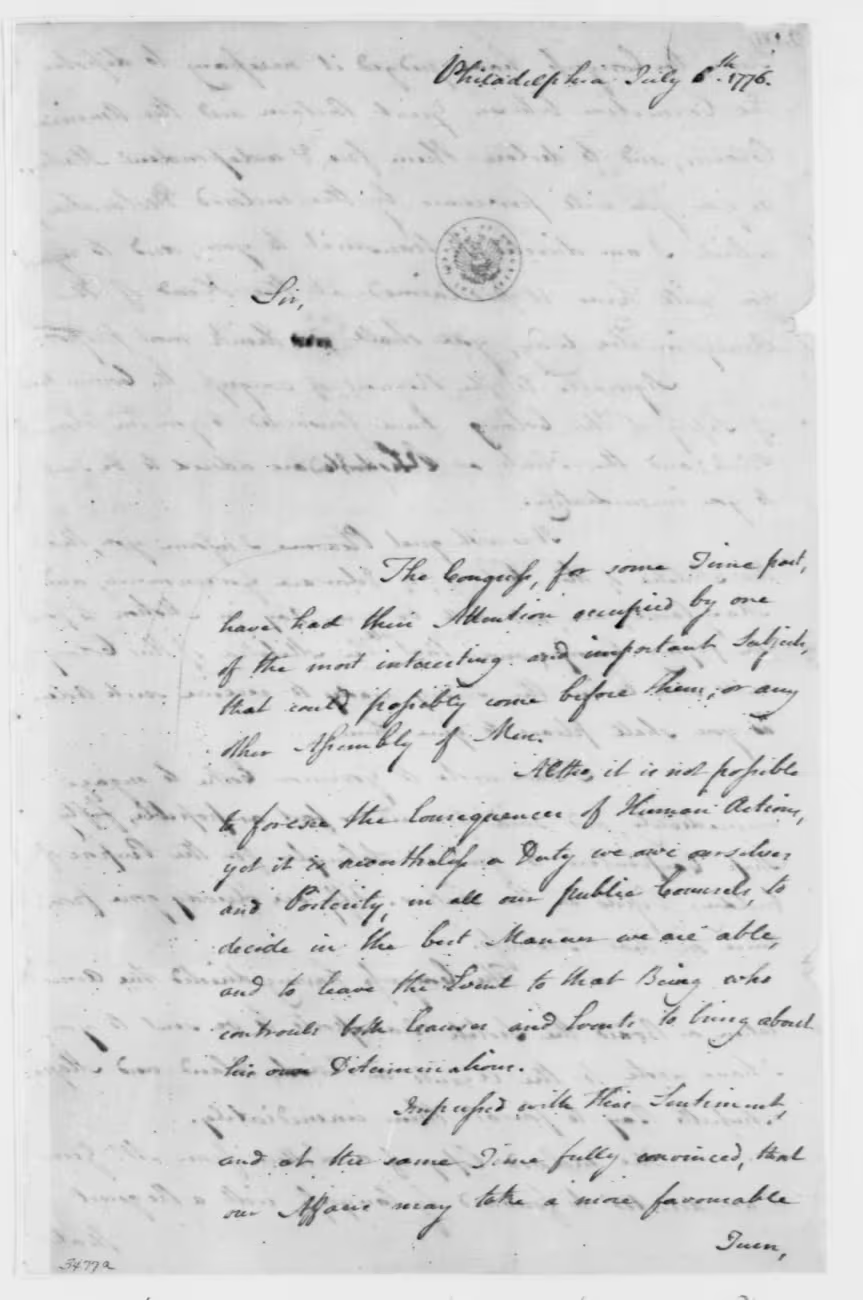
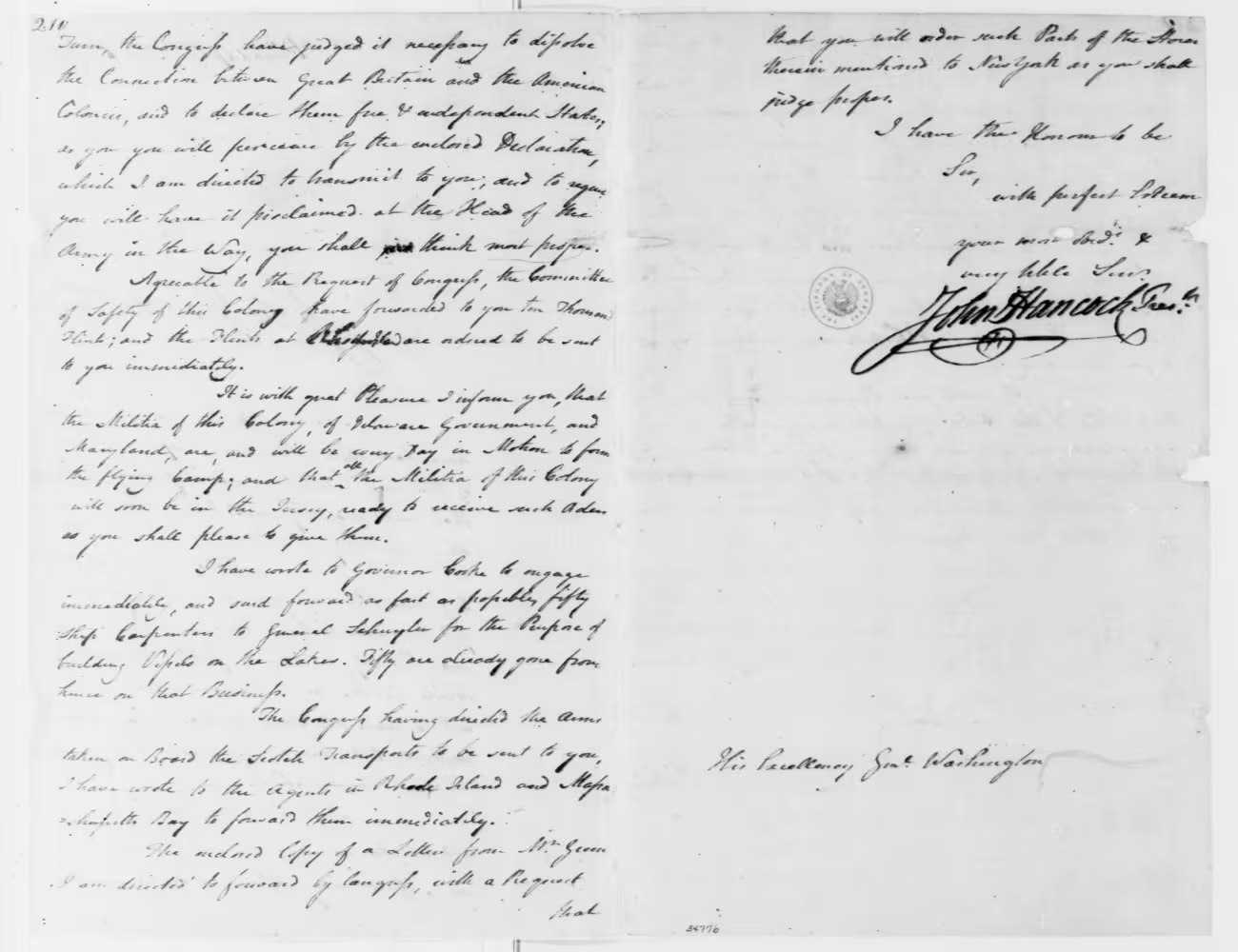
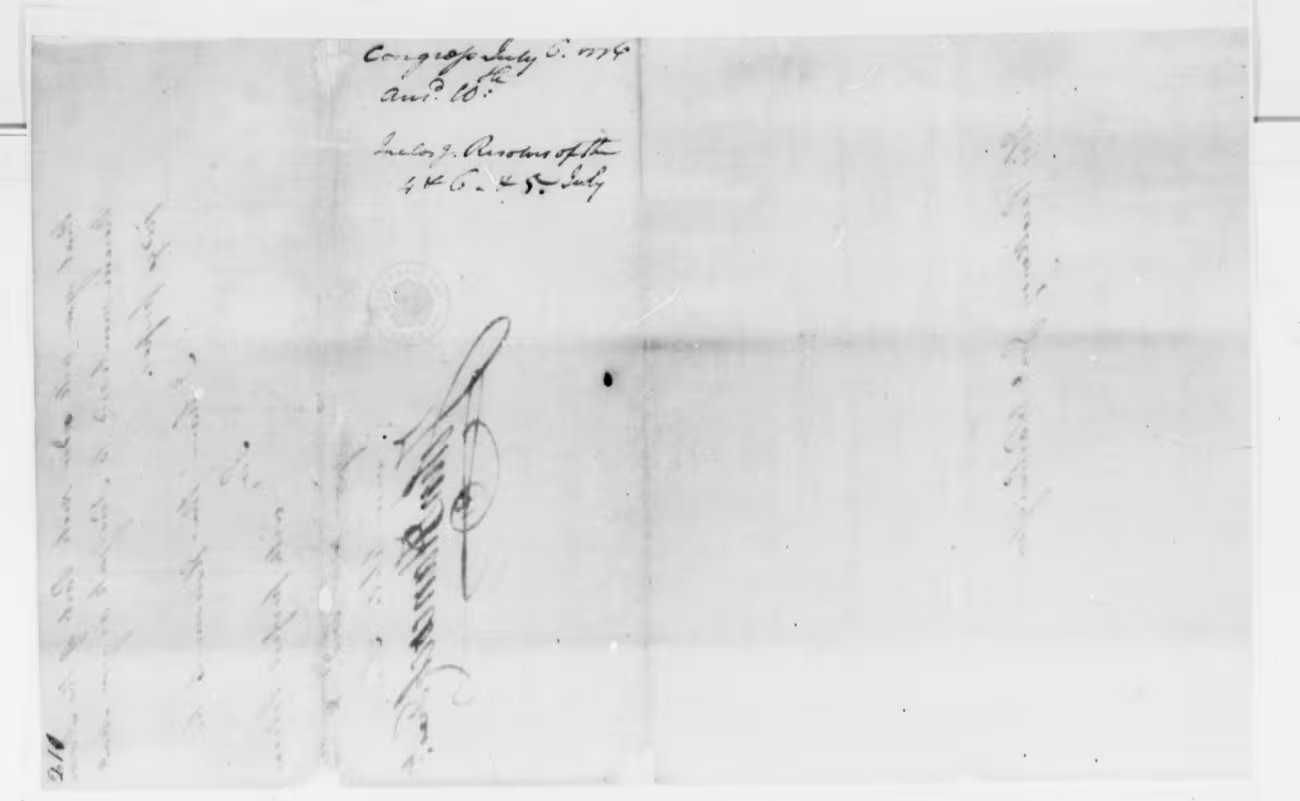
John Hancock to George Washington, 6 July 1776
John Hancock transmits the Declaration of Independence to George Washington, requesting it be proclaimed to the Army.
As you read each document, trace the connections between the people, places, organizations, and events mentioned in them.
Images
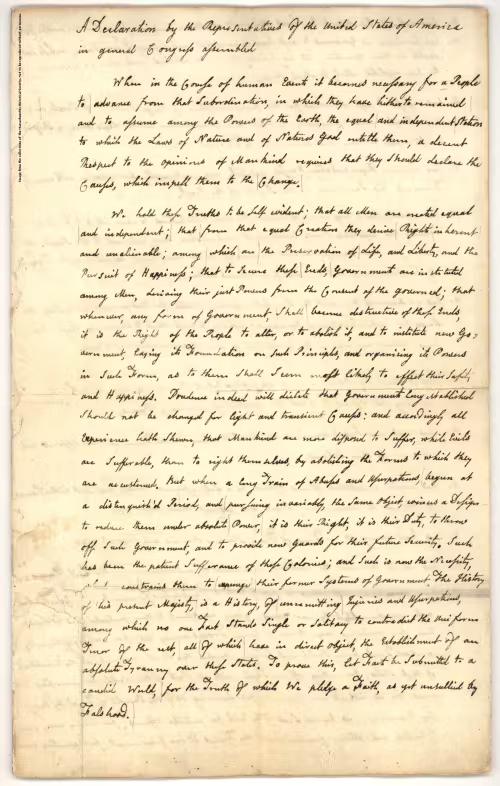
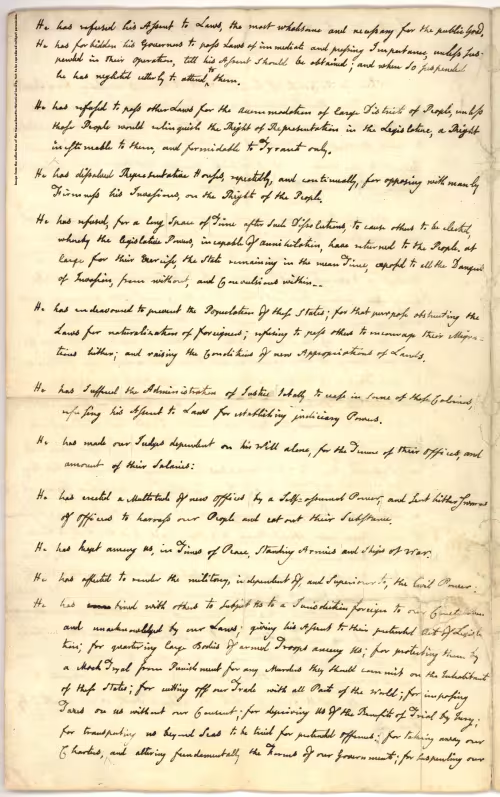
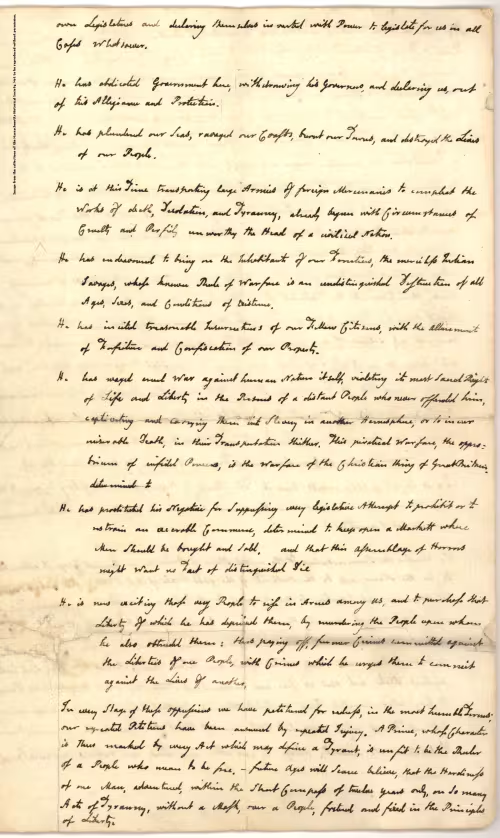
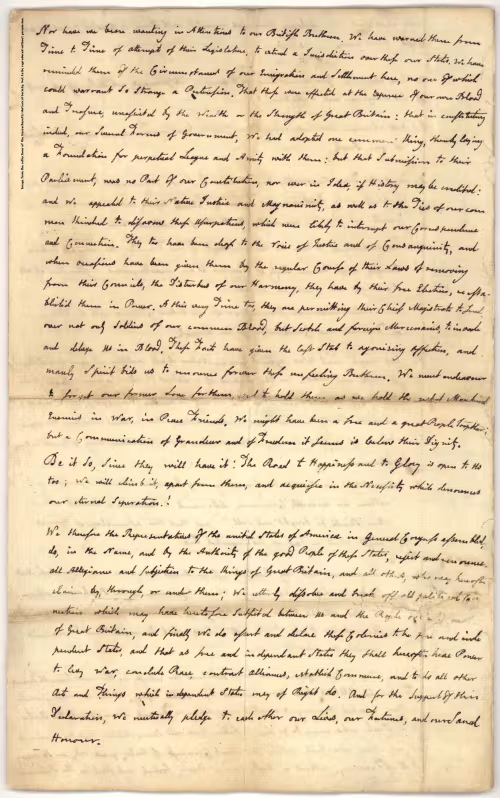
John Adams's Copy of the Declaration of Independence, before 28 June 1776
This manuscript preserves a crucial intermediate version of the Declaration and reveals how the original draft evolved into the text adopted by Congress.
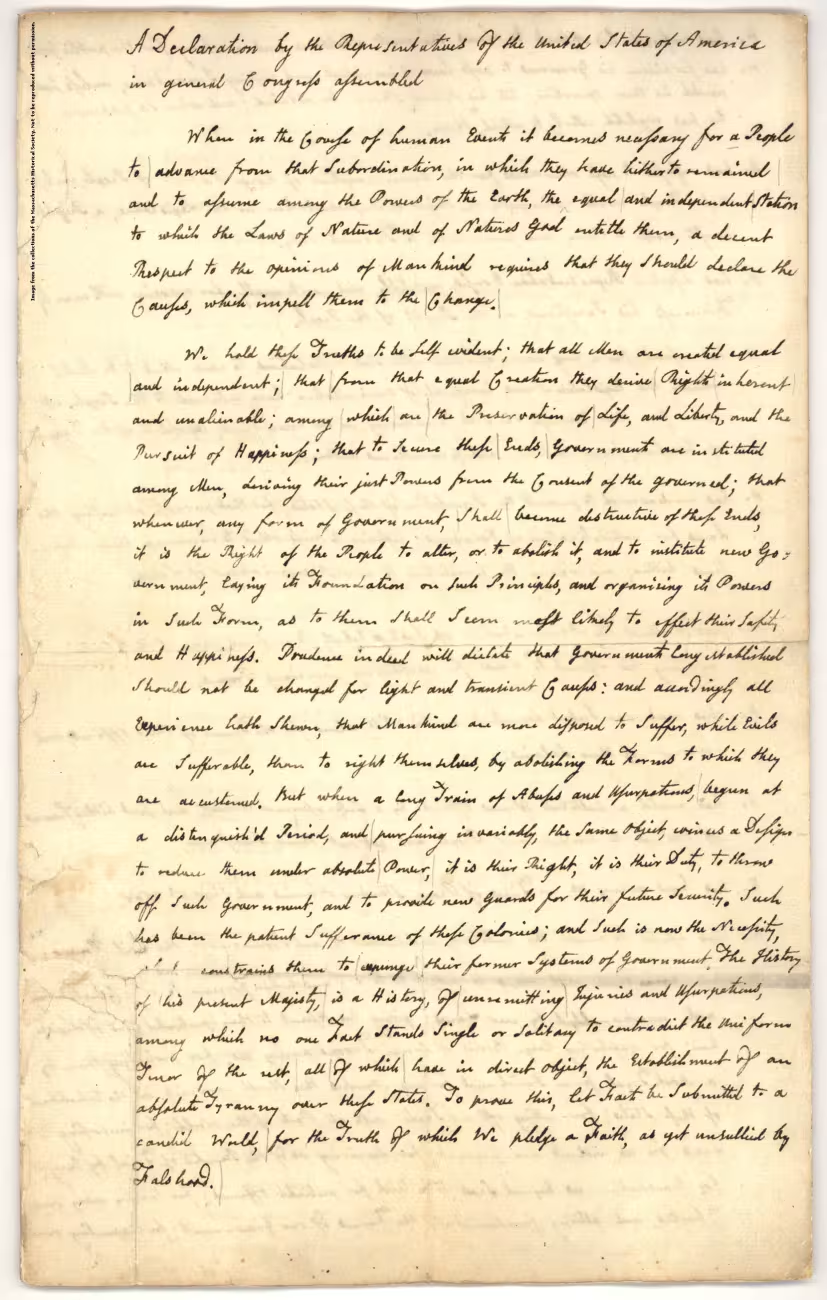
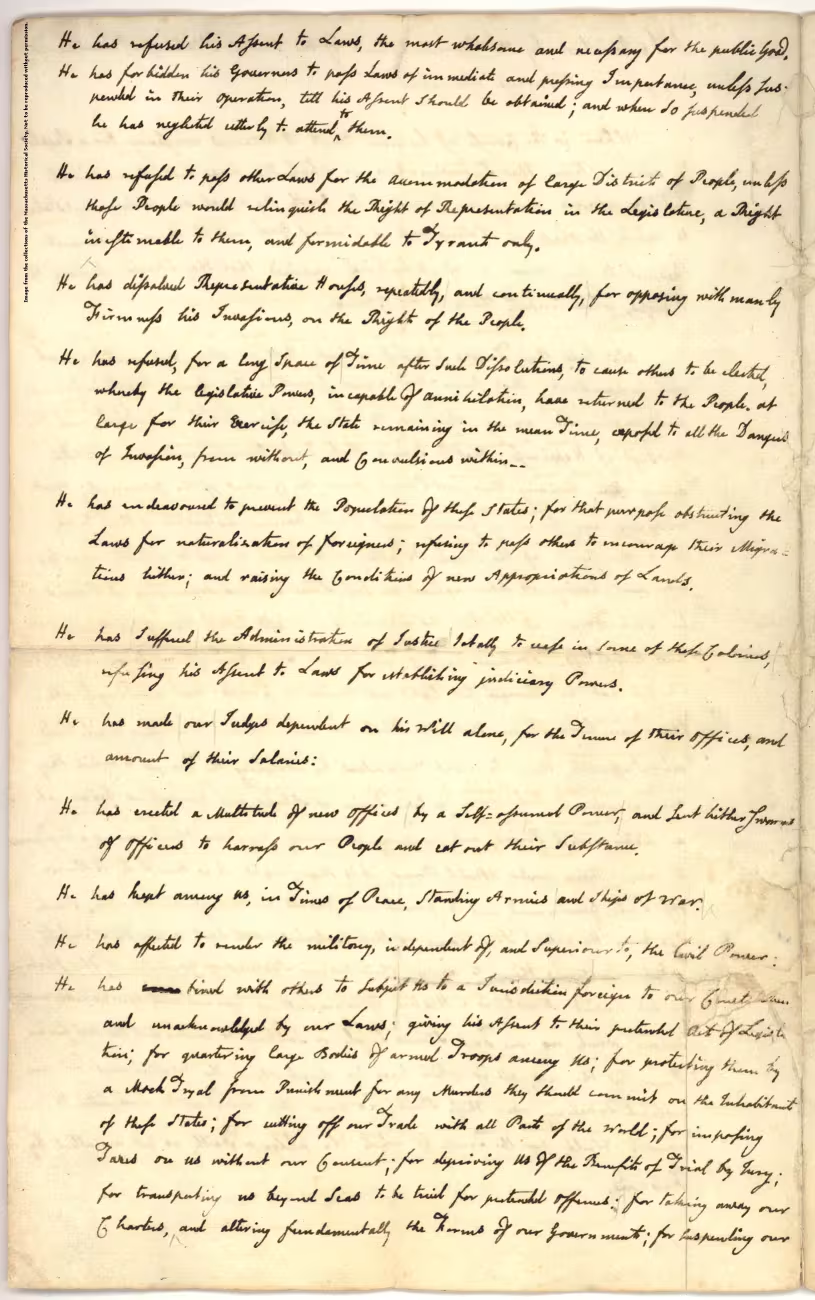
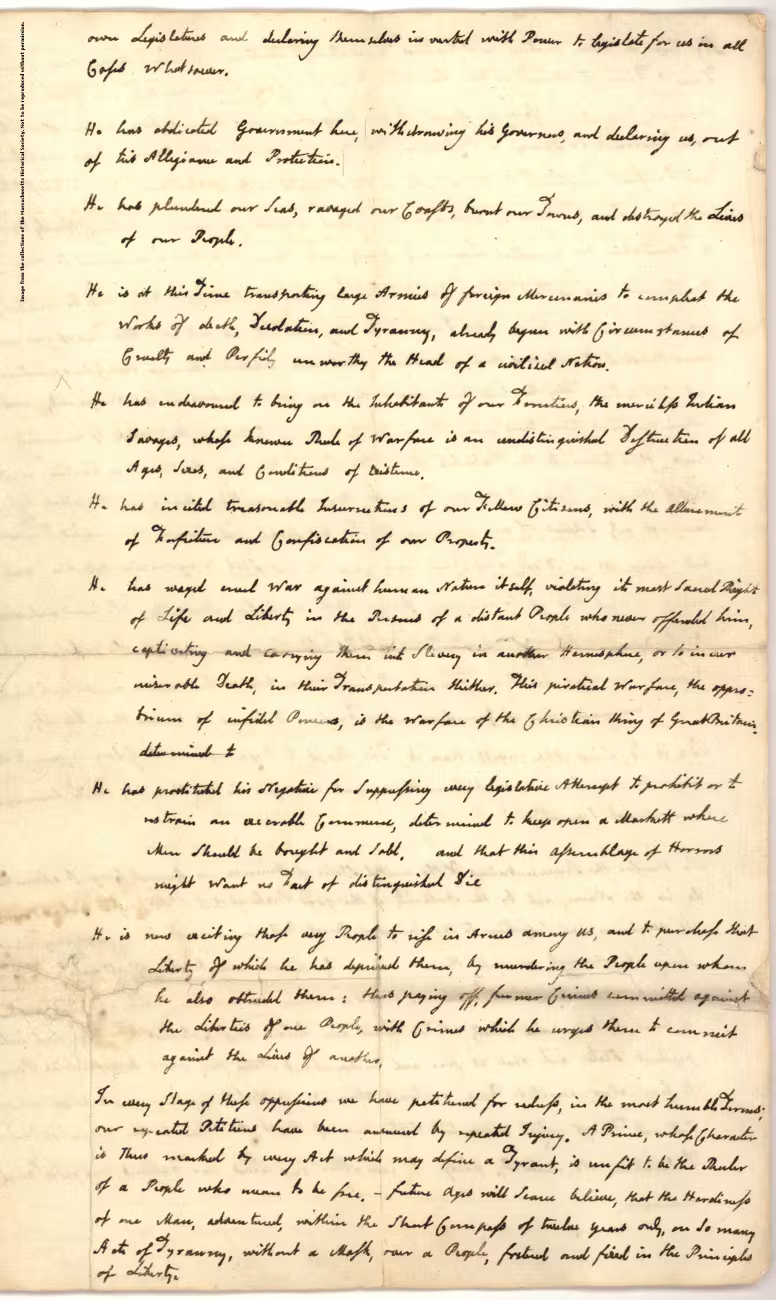
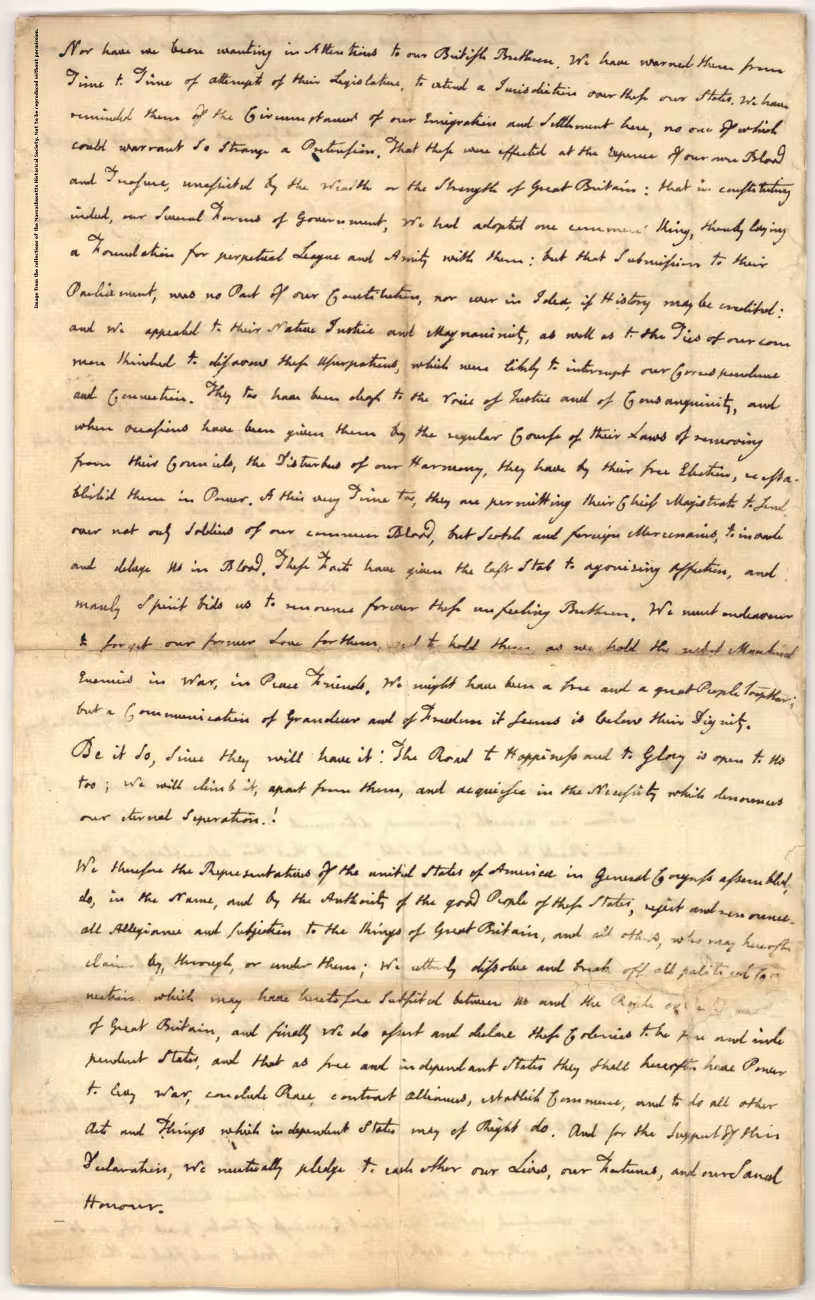
Collection of the New York Historical Society, Gift of Goodhue Livingston Jr. View in the NYHS Collections.
Images
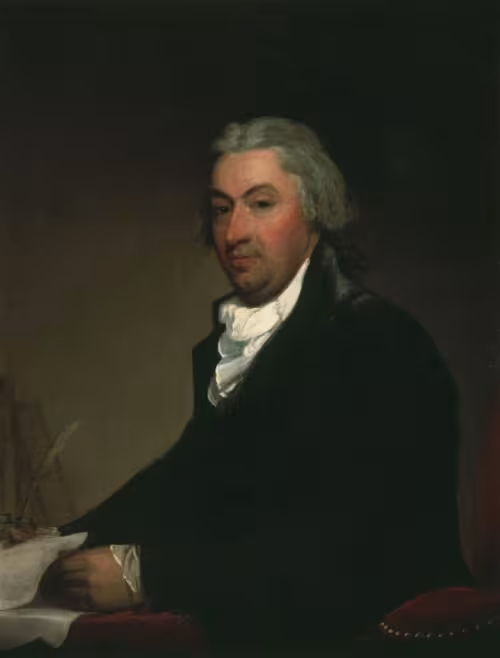 Image Credit Line
Robert R. Livingston
Co-drafted the Declaration of Independence, worked on the first New York State constitution, and negotiated the Louisiana Purchase as minister to France.
From the New York Public Library. View in the NYPL Digital Collections.
Images
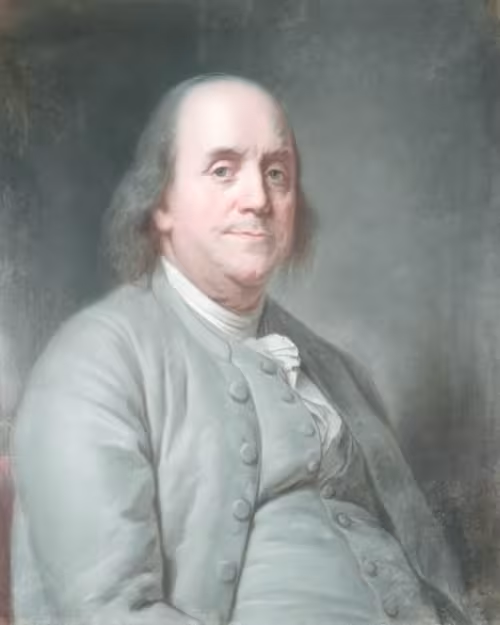 Image Credit Line
Benjamin Franklin
Helped draft the Declaration of Independence and worked to secure the crucial Franco-American alliance that changed the course of the Revolution.
Thomas Jefferson, from life, c. 1791-1792, by Charles Willson Peale. U.S. National Park Service, Independence National Historical Park. View the NPS Multimedia Record.
Images
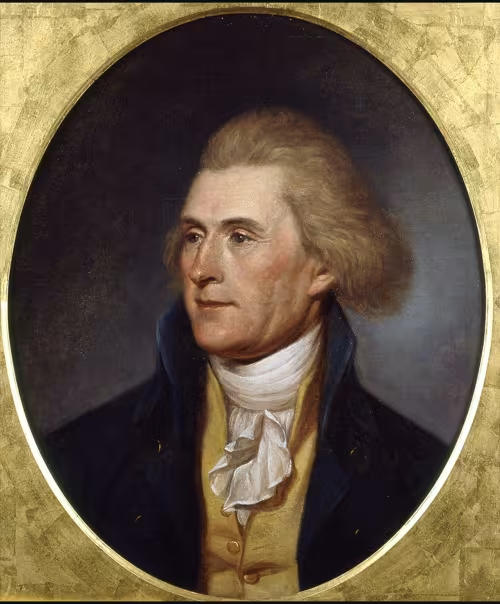 Image Credit Line
Thomas Jefferson
A prominent early-American politician who drafted the Declaration of Independence and served as the third U.S. president.
Yale University Art Gallery.
Images
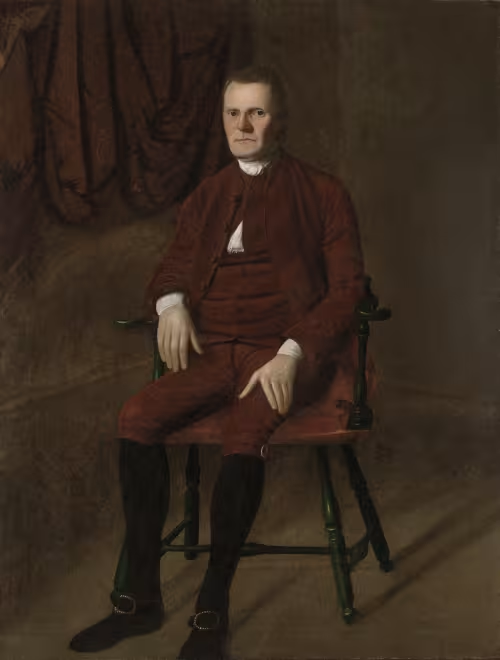 Image Credit Line
Roger Sherman
The only signer of all four founding documents and architect of the Connecticut Compromise that established the bicameral structure of Congress.
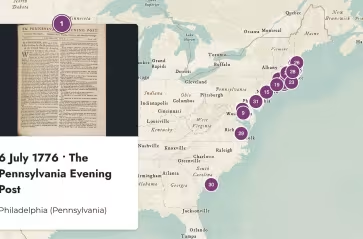
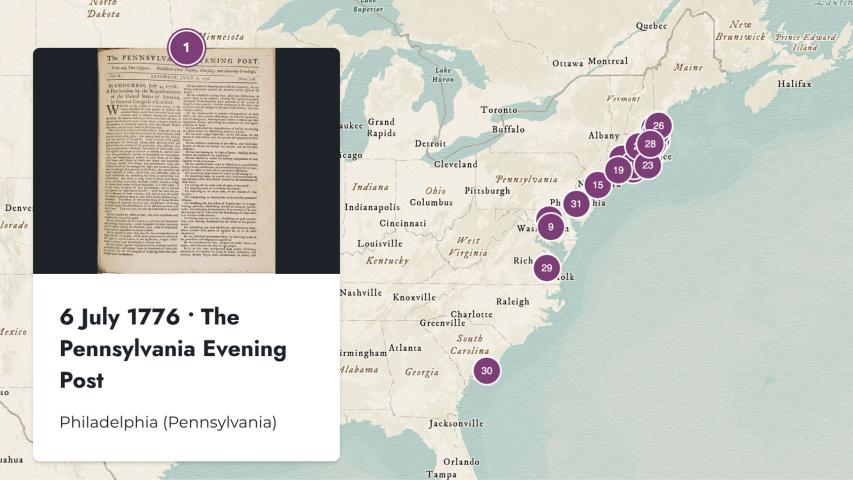
Philadelphia (Pennsylvania)
A historic Pennsylvania city founded in 1682 by William Penn, served as America's capital and hosted the Continental Congresses.
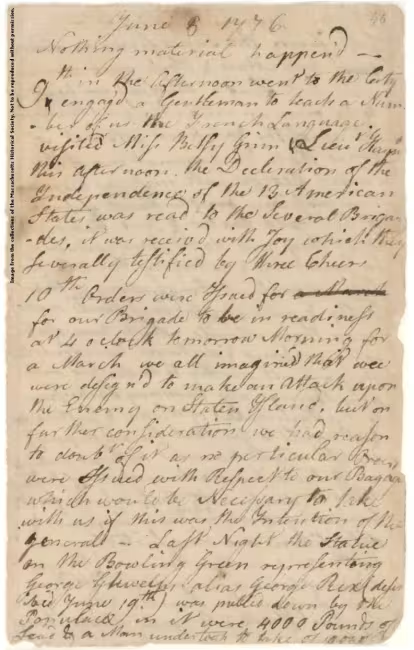
Collections of the Massachusetts Historical Society. View in the MHS Online Collections.
Images
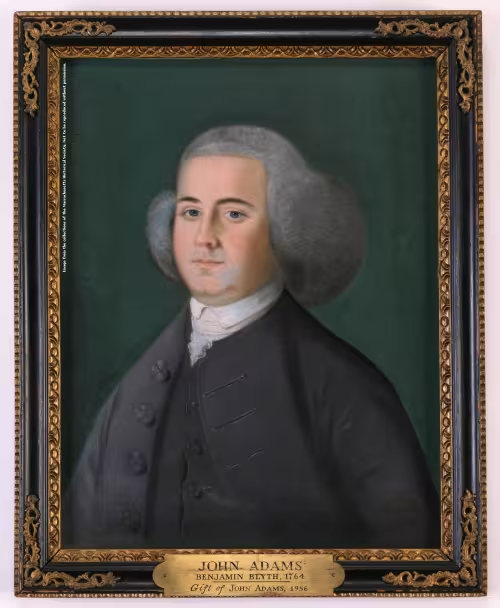 Image Credit Line
John Adams
Lawyer who defended British soldiers after the Boston Massacre, championed independence in Congress, and served as the second U.S. president.
Second Continental Congress
Led the U.S. government prior to the Articles of Confederation, created the Continental Army, and issued the Declaration of Independence.
Curated interactive resources and short videos reveal the debates, decisions, and human stories behind the documents.
We’re building a community of curious learners, educators, and history fans who want to explore the documentary foundations of the United States. Subscribe for updates, early access to new content, and chances to join pilot programs and help shape what comes next.