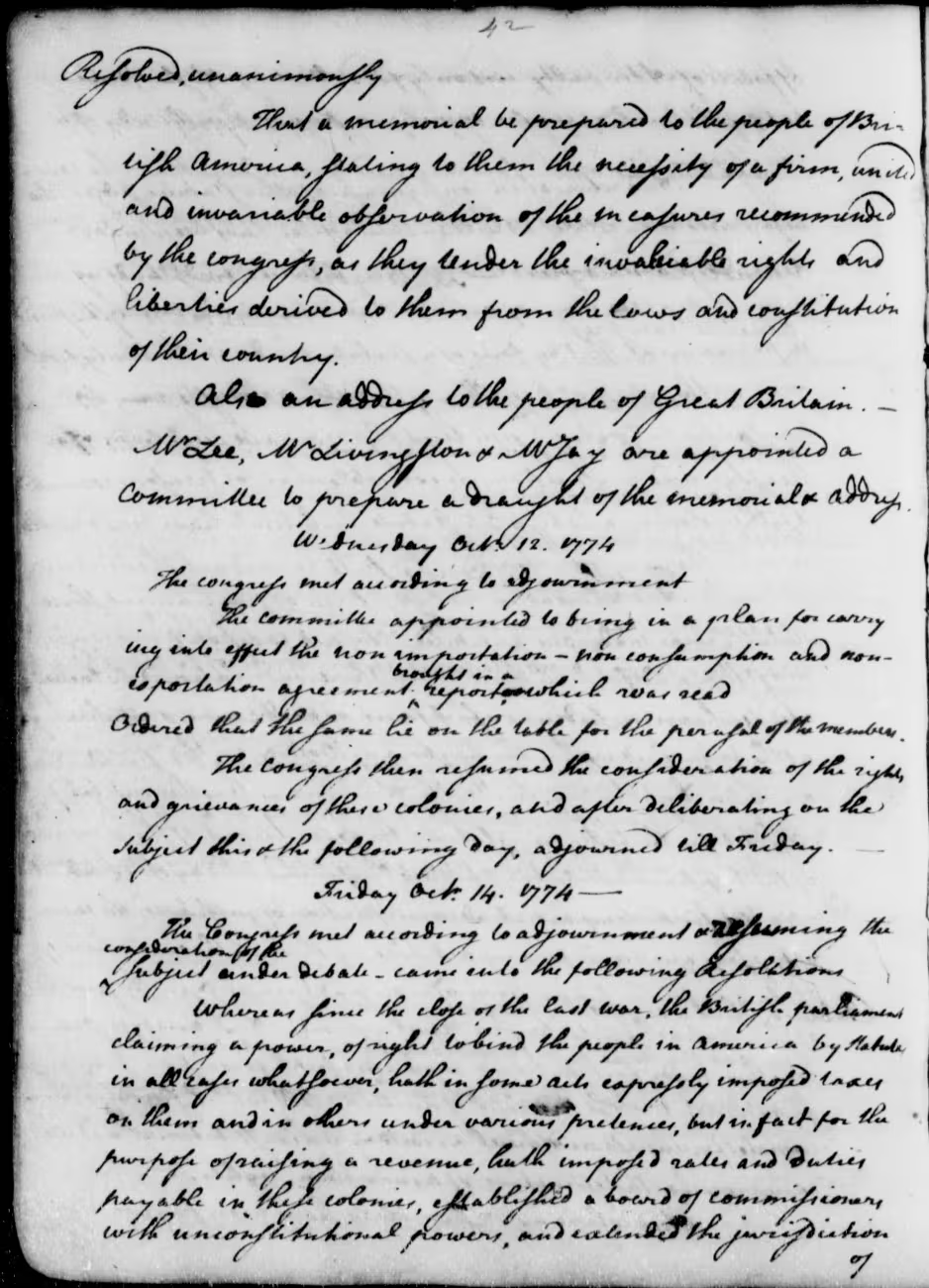
Friday Oct. 14. 1774 —
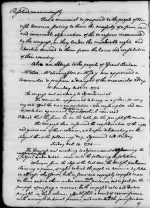
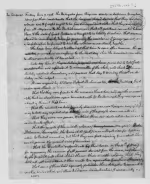
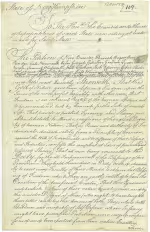
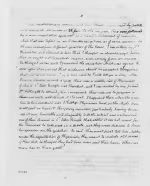
The Congress met according to adjournment & resuming the consideration of the Subject under debate – came into the following Resolutions
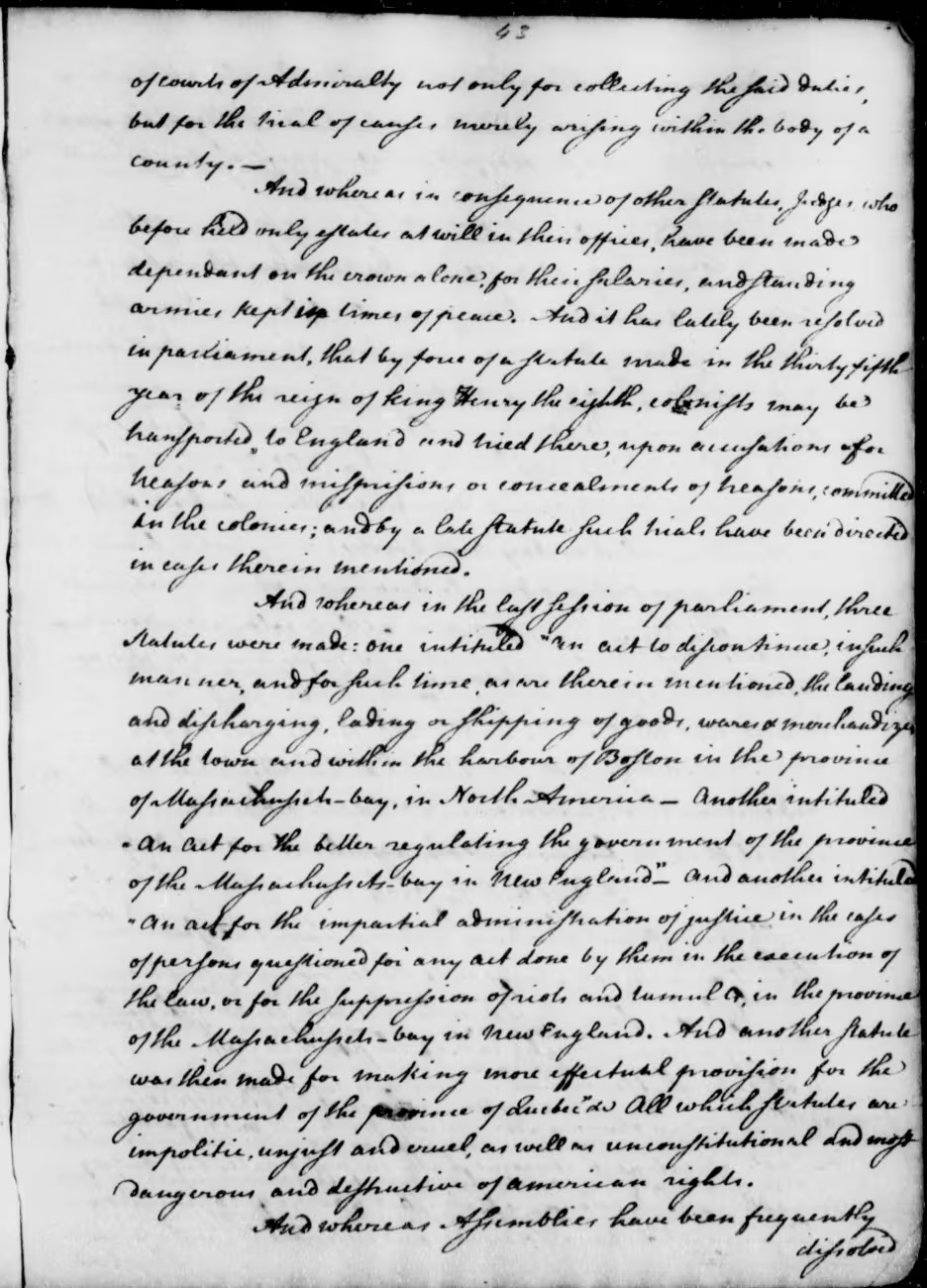
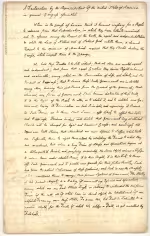
Whereas Since the close of the last war, the British parliament claiming a power, of right to bind the people in America by Statutes in all cases whatsoever, hath in Some acts expressly imposed taxes on them and in others under various pretences, but in fact for the purpose of raising a revenue, hath imposed rates and duties payable in these colonies, established a board of commissioners with unconstitutional powers, and extended the jurisdiction of courts of Admiralty not only for collecting the Said duties, but for the trial of causes merely arising within the body of a county. –
And whereas in consequence of other Statutes, Judges who before held only estates at will in their offices, have been made dependant on the crown alone, for their Salaries, and Standing armies kept in times of peace. And it has lately been resolved in parliament, that by force of a Statute made in the thirty fifth year of the reign of king Henry the eighth, colonists may be transported to England and tried there, upon accusations for treasons and misprisions or concealments of treasons, committed in the colonies; and by a late Statute Such trials have been directed in cases therein mentioned.
And whereas in the last Session of parliament, three Statutes were made: one intituled "An act to discontinue, in Such manner, and for Such time, as are therein mentioned, the landing and discharging, lading or Shipping of goods, wares and merchandizes at the town and within the harbour of Boston in the province of Massachusetts-bay, in America["] – Another intituled "An Act for the better regulating the government of the province of the Massachusetts-bay in New England" – And another intituled, "An act for the impartial administration of justice in the cases of persons questioned for any act done by them in the execution of the law, or for the Suppression of riots and tumults, in the province of the Massachusetts-bay in New England.["] And another Statute was then made ["]for making more effectual provision for the government of the province of Quebec" &c All which statutes are impolitic, unjust and cruel, as well as unconstitutional and most dangerous and destructive of American rights.
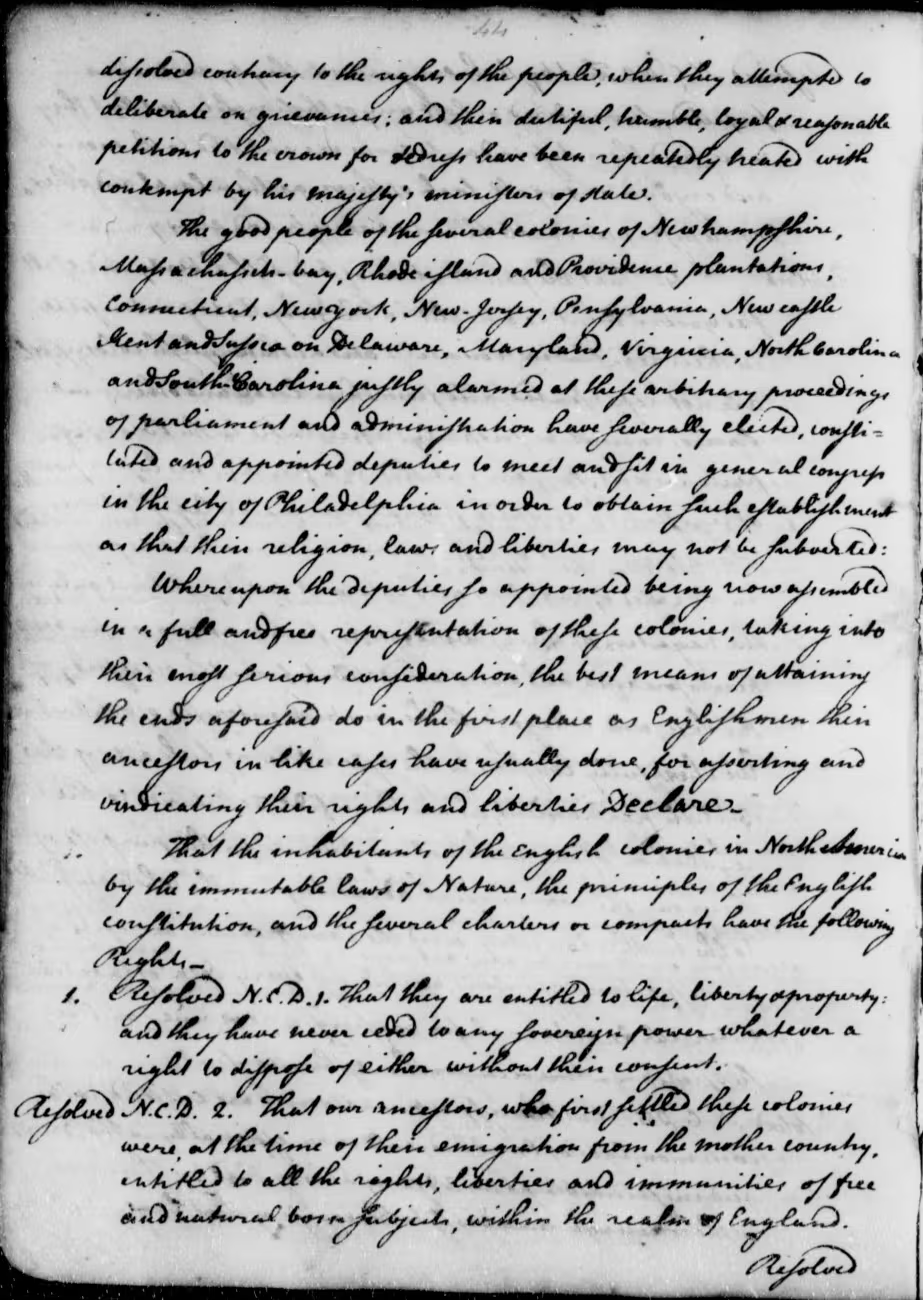
And whereas Assemblies have been frequently dissolved contrary to the rights of the people, when they attempted to deliberate on grievances; and their dutiful, humble, loyal & reasonable petitions to the crown for redress have been repeatedly treated with contempt by his majesty's ministers of state.
The good people of the Several colonies of New hampshire, Massachusetts-bay, Rhode island and Providence plantations, Connecticut, New York, New-Jersey, Pensylvania, New castle Kent and Sussex on Delaware, Maryland, Virginia, North Carolina and South-Carolina justly alarmed at these arbitrary proceedings of parliament and administration have Severally elected, constituted and appointed deputies to meet and Sit in general congress in the city of Philadelphia in order to obtain Such establishment as that their religion, laws and liberties may not be Subverted:
Whereupon the deputies So appointed being now assembled in a full and free representation of these colonies, taking into their most Serious consideration, the best means of attaining the ends aforesaid do in the first place as Englishmen, their ancestors in like cases have usually done, for asserting and vindicating their rights and liberties Declare –
That the inhabitants of the English colonies in North America by the immutable laws of Nature, the principles of the English constitution, and the Several charters or compacts have the following Rights –
-
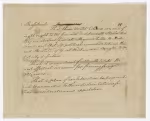
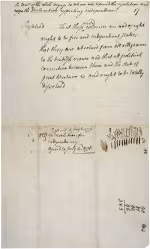
Resolved N.C.D. 1. That they are entitled to life, liberty & property: and they have never ceded to any Sovereign power whatever a right to dispose of either without their consent.
Resolved N.C.D. 2. That our ancestors, who first Settled these colonies were, at the time of their emigration from the mother country, entitled to all the rights, liberties and immunities of free and natural born Subjects, within the realm of England.
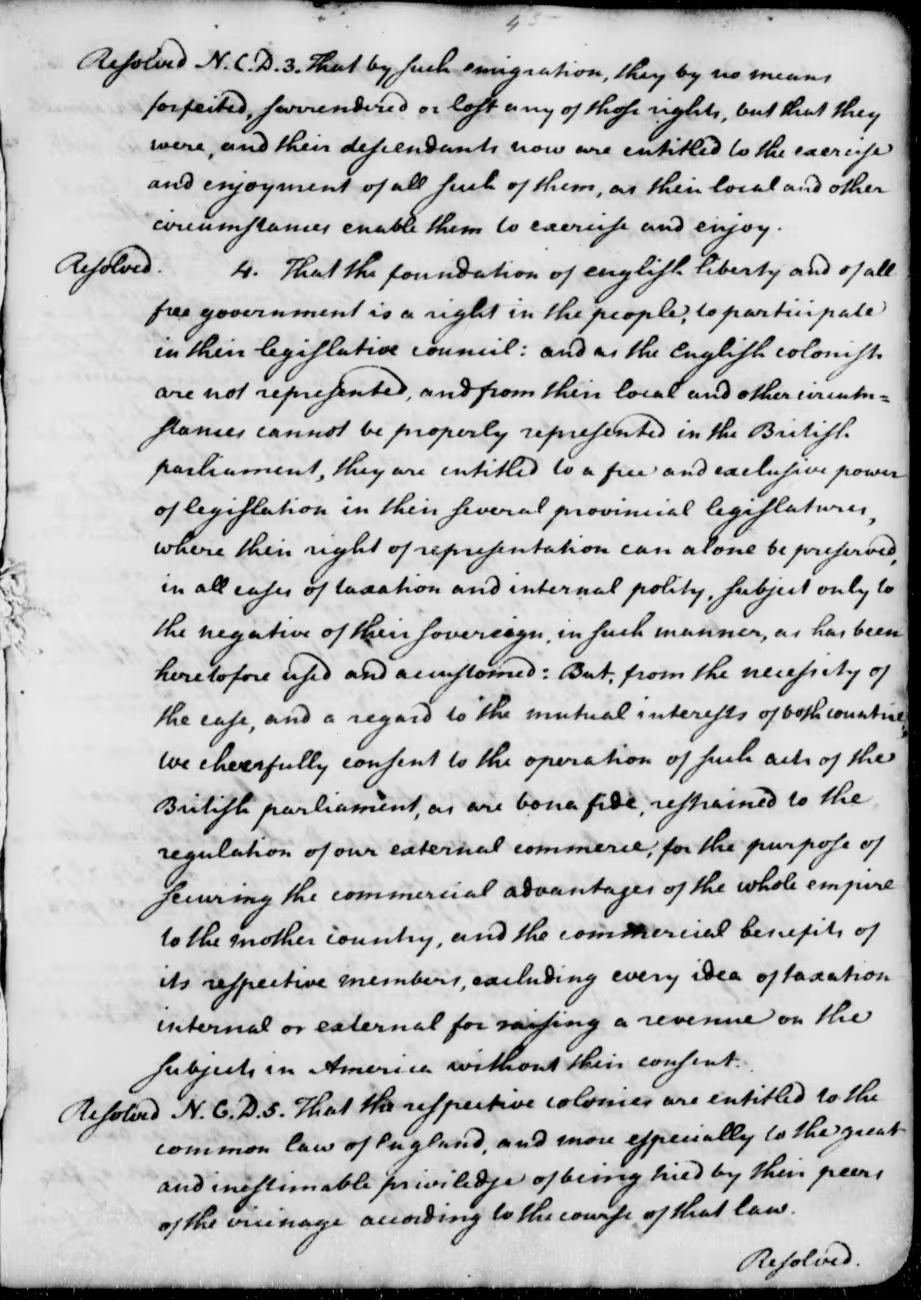
Resolved N.C.D. 3. That by Such emigration, they by no means forfeited, Surrendered or lost any of those rights, but that they were, and their descendants now are entitled to the exercise and enjoyment of all Such of them, as their local and other circumstances enable them to exercise and enjoy.
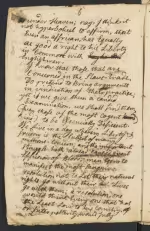
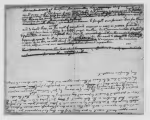
Resolved. 4. That the foundation of english liberty and of all free government is a right in the people, to participate in their legislative council: and as the English colonists are not represented, and from their local and other circumstances, cannot be properly represented in the British parliament, they are entitled to a free and exclusive power of legislation in their Several provincial legislatures, where their right of representation can alone be preserved, in all cases of taxation and internal polity, Subject only to the negative of their Sovereign, in Such manner, as has been heretofore used and accustomed: But, from the necessity of the case, and a regard to the mutual interests of both countries, we cheerfully consent to the operation of Such acts of the British parliament, as are bona fide, restrained to the regulation of our external commerce, for the purpose of Securing the commercial advantages of the whole empire to the mother country, and the commercial benefits of its respective members, excluding every idea of taxation internal or external for raising a revenue on the Subjects in America without their consent.
Resolved N.C.D. 5. That the respective colonies are entitled to the common law of England, and more especially to the great and inestimable priviledge of being tried by their peers of the vicinage according to the course of that law.
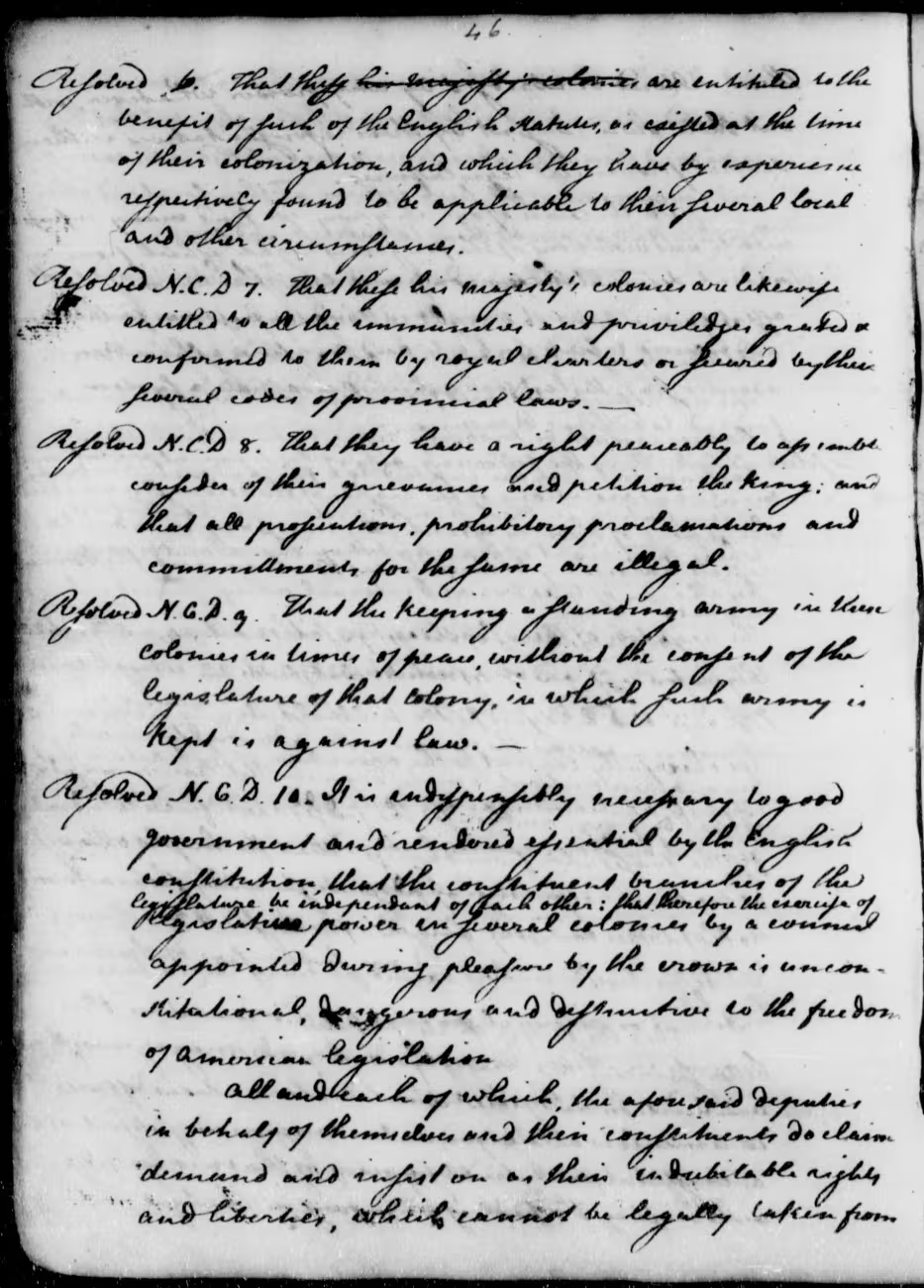
Resolved. 6. That they are entitled to the benefit of Such of the English statutes, as existed at the time of their colonization, and which they have by experience respectively found to be applicable to their Several local and other circumstances.
Resolved N.C.D 7. That these his majesty's colonies are likewise entitled to all the immunities and priviledges grated & confirmed to them by royal charters or Secured by their Several codes of provincial laws. —
Resolved N.C.D 8. That they have a right peaceably to assemble consider of their grievances and petition the king: and that all prosecutions, prohibitory proclamations and committments for the Same are illegal.
Resolved N.C.D. 9. That the keeping a Standing army in these colonies in times of peace, without the consent of the legislature of that colony, in which Such army is kept is against law. –
Resolved N.C.D. 10. It is indispensibly necessary to good government and rendered essential by the English constitution, that the constituent branches of the legislature be independent of each other: that therefore the exercise of legislative power in Several colonies by a council appointed during pleasure by the crown is unconstitutional, dangerous and destructive to the freedom of American legislation
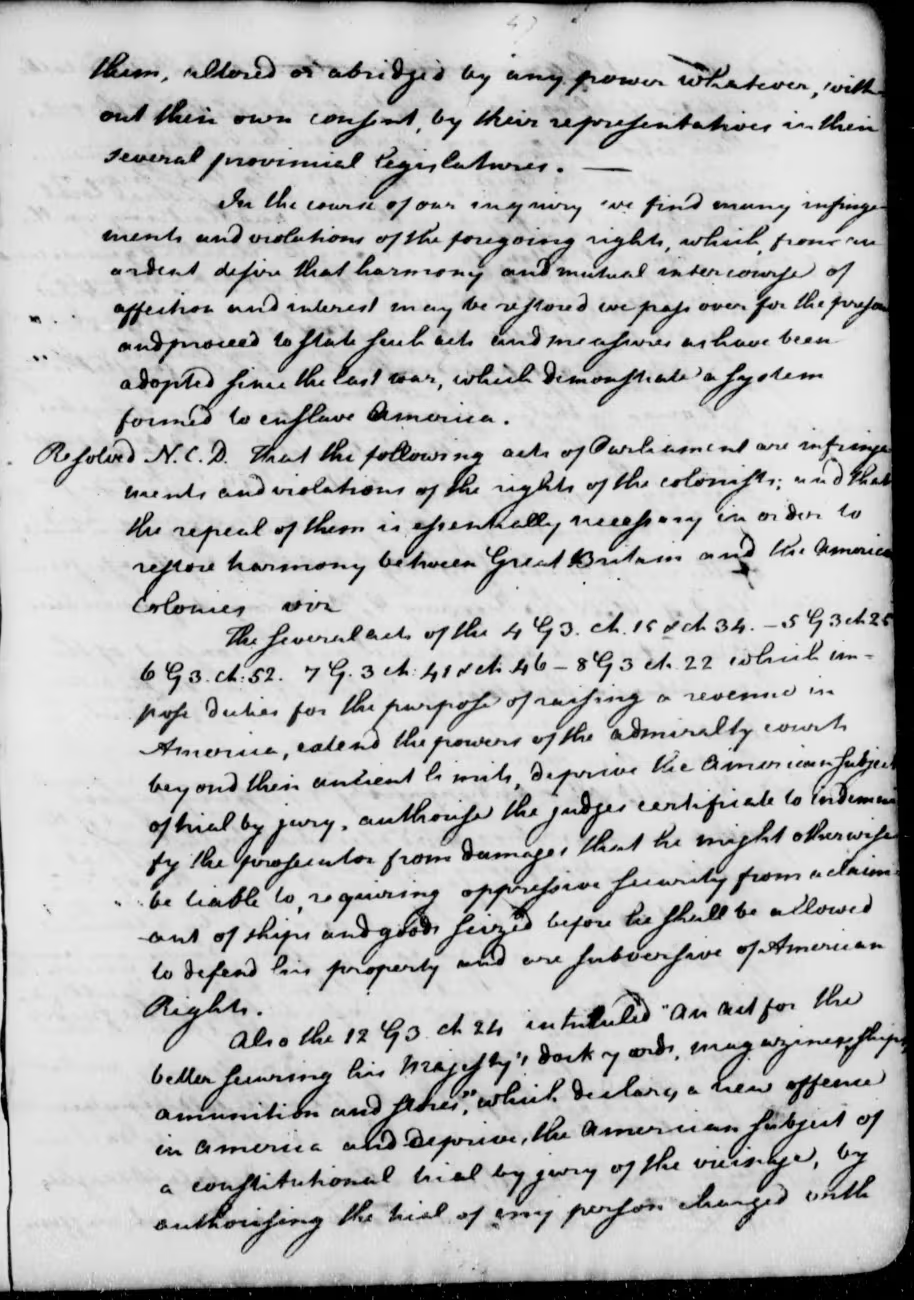
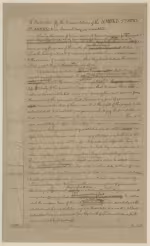
All and each of which, the aforesaid deputies in behalf of themselves and their constituents do claim demand and insist on as their indubitable rights and liberties, which cannot be legally taken from them, altered or abridged by any power whatever, without their own consent, by their representatives in their several provincial legislatures. —
In the course of our inquiry we find many infringements and violations of the foregoing rights, which, from an ardent desire that harmony and mutual intercourse of affection and interest may be restored we pass over for the present and proceed to State Such acts and measures as have been adopted Since the last war, which demonstrate a System formed to enslave America.
Resolved N.C.D. That the following acts of Parliament are infringements and violations of the rights of the colonists: and that the repeal of them is essentially necessary in order to restore harmony between Great Britain and the American colonies viz
The Several acts of the 4 G3. ch. 15 & ch 34. – 5 G3 ch 25 6 G3. ch: 52. 7 G.3 ch: 41 & ch 46 – 8 G3 ch 22 which impose duties for the purpose of raising a revenue in America, extend the powers of the admiralty courts beyond their ancient limits, deprive the American Subject of trial by jury, authorise the judges certificate to indemnify the prosecutor from damages that he might otherwise be liable to, requiring oppressive Security from a claimant of ships and goods Seized before he Shall be allowed to defend his property and are Subversive of American Rights.
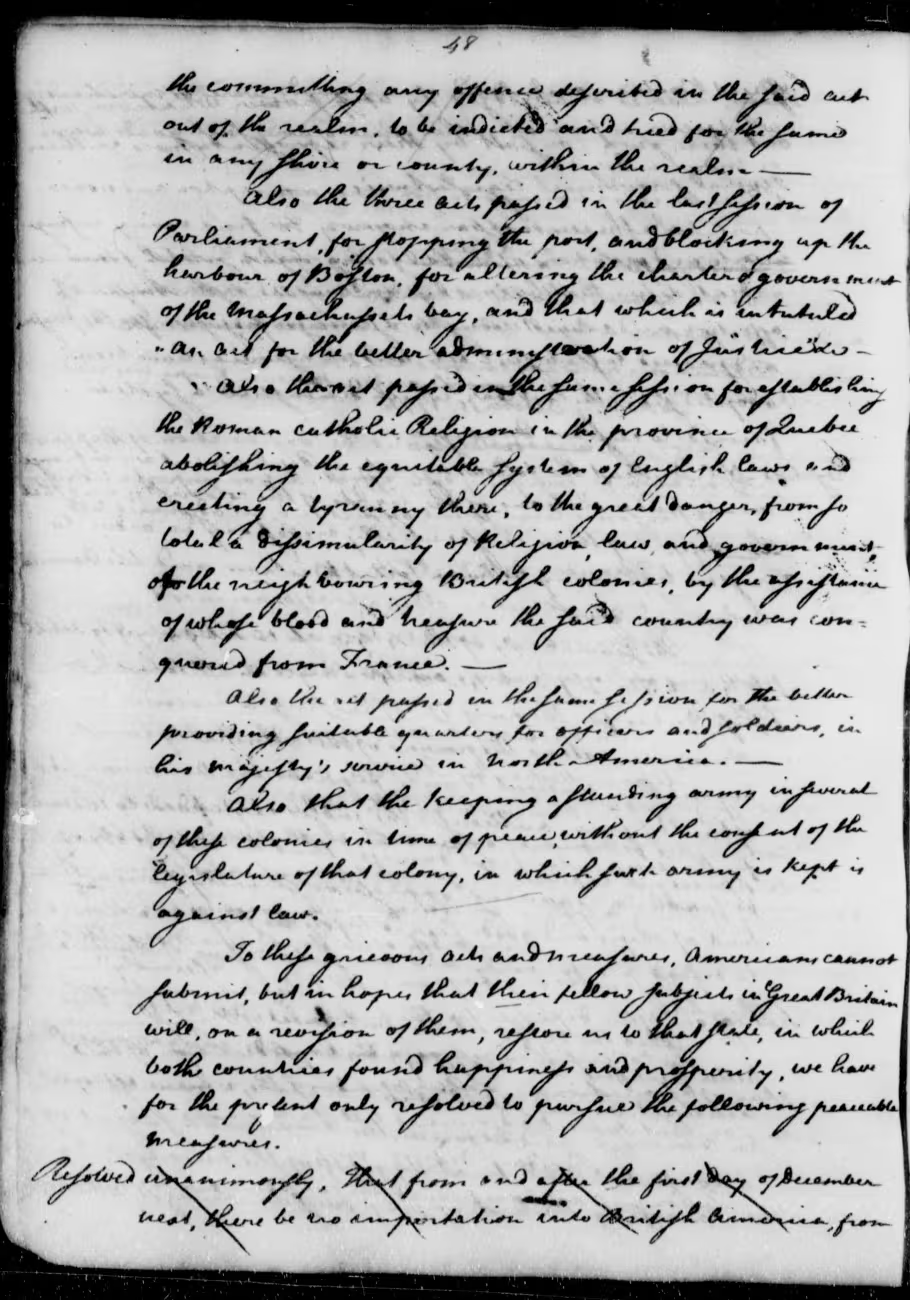
Also the 12 G3 ch 24 intutuled "An Act for the better Securing his majesty's dock yards, magazines Ships, ammunition and Stores," which declares a new offence in America and deprives the American Subject of a constitutional trial by jury of the vicinage, by authorising the trial of any person charged with the committing any offence described in the Said act out of the realm, to be indicted and tried for the Same in any Shire or county, within the realm —
Also the three acts passed in the last Session of Parliament, for stopping the port, and blocking up the harbour of Boston, for altering the charter & government of the Massachusetts bay, and that which is intutuled "An Act for the better administration of Justice" &c –
Also the act passed in the Same Session for establishing the Roman catholic Religion in the province of Quebec abolishing the equitable System of English laws and erecting a tyranny there, to the great danger, from So total a dissimularity of Religion, law and government, of the neighbouring British colonies, by the assistance of whose blood and treasure the Said country was conquered from France. —
Also the act passed in the Same Session for the better providing Suitable quarters for officers and soldiers, in his majesty's service in North America. —
Also that the keeping a Standing army in Several of these colonies in time of peace, without the consent of the legislature of that colony, in which Such army is kept is against law.
To these grievous acts and measures, Americans cannot Submit, but in hopes that their fellow subjects in Great Britain will, on a revision of them, restore us to that state, in which both countries found happiness and prosperity, we have for the present only resolved to pursue the following peaceable measures.