
Sections in this exhibit
-
1
Section 1 Choosing Sides in Revolutionary AmericaSection 1
After Congress approved the Declaration on 4 July 1776, printed copies and public readings spread its message across the former colonies. Hearing and seeing its words made independence real for many Americans, even as reactions ranged from celebration to uncertainty and opposition.
-
2
Section 2 The Gamble for a New FutureSection 2
Choosing independence in 1776 was a risky and deeply personal decision. Different people supported the Revolution for different reasons, each taking a gamble on what a new nation might become.
-
3
Section 3 The Search for ProtectionSection 3
For many people in 1776, staying loyal to Britain was a search for protection, stability, or freedom. Loyalists made their own choices based on fear of disorder, defense of their communities, or hopes that the British Empire offered a safer future.
-
4
Section 4 The Middle GroundSection 4
Many people tried to remain neutral during the American Revolution, but neutrality was difficult and often dangerous, especially for Quakers. Their experiences show how survival, belief, and circumstance shaped choices in a divided society.
Introduction
The Declaration did a lot more than just create a new nation. It forced people living in America to make a life-altering choice.
The American Revolution was not a simple fight between “Americans” and “Redcoats.” It was a civil war battled in the streets, in the wilderness, and inside family homes. For a printer living in Baltimore, a Mohawk leader in the North, or an enslaved man in New England, the Declaration was a fork in the road. Every American would have known someone on either side of the conflict. Many had to choose which neighbor to help and which neighbor to fight.
What did people see when they looked at the Declaration?
- A tool for freedom: Some saw it as a way to build a government that finally listened to them.
- A shield for sovereignty: Others saw King George III as the only person standing between them and the loss of their land or their lives.
- A dangerous risk: Many saw only chaos and instability, fearing that breaking from the British Empire would destroy anything they had.
How would you choose a side when your life and livelihood were on the line?
The Declaration was America’s “Big Bang”: It shattered communities and forced neighbors to decide if they were fellow citizens or enemies.
People chose based on their personal “why”: People chose a side based on what they needed most, whether it was land, liberty, stability, or various other reasons. Their backgrounds, whether they were Black, White, or Indigenous, shaped which side they believed would deliver those things.
Every choice was a gamble: There was no “safe” option. Supporting the Revolutionaries could mean being hanged for treason. Supporting the Loyalists could mean losing your home and being forced into exile. Staying neutral often meant being attacked by both sides.
One war, many revolutions: The American Revolution was many different fights happening at once. While some fought for “No Taxation without Representation,” others fought for the end of slavery or the right to keep their ancestral lands.
Want to know more?
Explore the people, places, and primary sources featured in this exhibit.
Primary Sources
15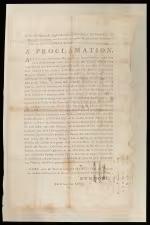
Virginia's royal governor declares martial law and promises freedom to enslaved people who join British forces.
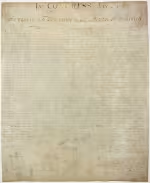
This foundational document declares American independence from Britain and outlines the grievances that led to this break.
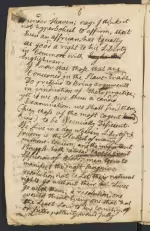
Early American treatise arguing the illegality and immorality of slave-keeping, advocating for liberty and human rights.
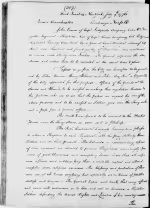
Orders instructing brigades to read the Declaration of Independence to troops, marking the first official military announcement of American independence.
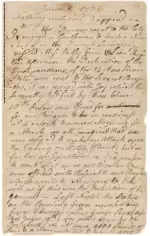
Bangs documents his military service and provides detailed personal accounts of his experiences during the Revolution.
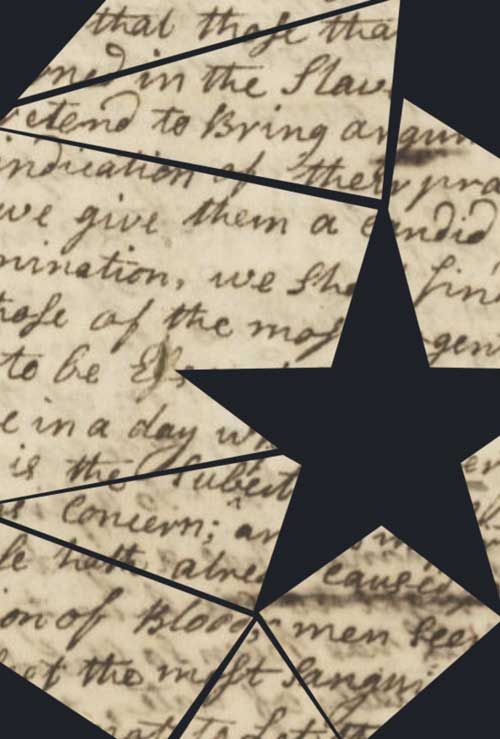
Chainbreaker records Joseph Brant's speech urging alliance with Britain during the Revolutionary War, warning of danger from remaining neutral.
King recounts escaping from slavery to British lines in Charleston, receiving freedom under British proclamation, and resettling in Nova Scotia.
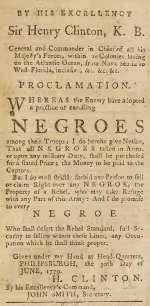
British General Henry Clinton promises freedom and work to enslaved people who desert the Continental Army for British lines.
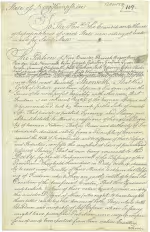
Petitioners challenge slavery in New Hampshire, highlighting contradictions between Revolution-era notions of liberty and enslaved peoples' reality.
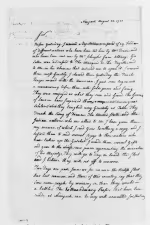
Rochambeau reports on receiving Native American delegations and monitoring British fleet movements.
People
23British monarch who reigned for six decades, overseeing Britain's loss of American colonies and the defeat of Napoleon, while battling mental illness.
Loyalist minister who rebutted Thomas Paine's Common Sense and became the first Anglican bishop in British North America after the Revolution.
Mohawk leader who commanded Native forces for the British during the American Revolution and later established the Grand River settlement in Ontario.
Powerful Mohawk leader with political influence across Iroquois, British, and colonial spheres during the American Revolution.
Printed the first official copy of the Declaration of Independence to include the signers' names and published the Maryland Journal.
Continental Army lieutenant who kept a journal documenting Revolutionary War experiences, including the toppling of George III's statue in New York City.
Commander-in-chief of the Continental Army during the Revolutionary War who became the first U.S. president, setting key precedents for federal government.
Printer of the first published copies of the Declaration of Independence in 1776 and publisher of the Pennsylvania Packet during the Revolution.
Organizations
6The British Army is the UK's primary land force. It has fought globally across Europe, Americas, Africa, and Asia, sustaining the British Empire.
Led the U.S. government prior to the Articles of Confederation, created the Continental Army, and issued the Declaration of Independence.
England's established Christian church, separated from papal authority in 1534 under Henry VIII, blending Catholic and Protestant traditions.
Colonial activists network opposing British taxation. Organized protests including Boston Tea Party, mobilizing resistance for American independence.
Principal land force of France; fought in American Revolution with Rochambeau, securing victory at Yorktown; shaped modern warfare through world wars.
The Society of Friends (Quakers) emerged in 1650s England under George Fox. Advocated equality, peace, abolition, and reform. Many were pacifists.
Places
21Explore Related Resources
-
Explores how colonial print networks of newspapers, pamphlets, and broadsides fueled the American Revolution by spreading revolutionary ideas.
-
Film exploring how Black soldiers fought for liberty on both sides of the Revolutionary War, yet faced re-enslavement and historical erasure.
-
Enslaved African Americans used Revolutionary rhetoric to petition for freedom, including Prince Hall's appeals, contributing to gradual Northern abolition.
-
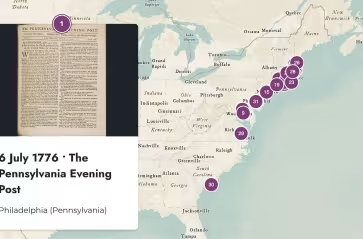
Interactive map tracks how 31 colonial newspapers spread the Declaration of Independence through print in the months following July 4, 1776.
-
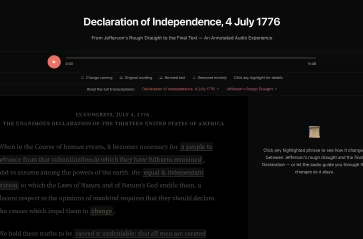
Interactive audio experience reveals how Jefferson's Rough Draught of the Declaration of Independence was collectively revised through political compromise.
Explore More Exhibits
-
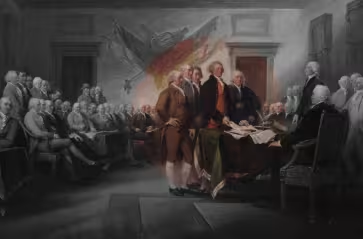
Explore how the Declaration of Independence was forged through drafting, debate, and collaboration by Jefferson, Adams, Franklin, Sherman, and Livingston.
-
Editing Independence explores documentary editing through Declaration signers, featuring events, exhibits, and key historical figures and places.