
Sections in this exhibit
-
1
Section 1 Choosing Sides in Revolutionary AmericaSection 1
After Congress approved the Declaration on 4 July 1776, printed copies and public readings spread its message across the former colonies. Hearing and seeing its words made independence real for many Americans, even as reactions ranged from celebration to uncertainty and opposition.
-
2
Section 2 The Gamble for a New FutureSection 2
Choosing independence in 1776 was a risky and deeply personal decision. Different people supported the Revolution for different reasons, each taking a gamble on what a new nation might become.
-
3
Section 3 The Search for ProtectionSection 3
For many people in 1776, staying loyal to Britain was a search for protection, stability, or freedom. Loyalists made their own choices based on fear of disorder, defense of their communities, or hopes that the British Empire offered a safer future.
-
4
Section 4 The Middle GroundSection 4
Many people tried to remain neutral during the American Revolution, but neutrality was difficult and often dangerous, especially for Quakers. Their experiences show how survival, belief, and circumstance shaped choices in a divided society.
Introduction
The Declaration did a lot more than just create a new nation. It forced people living in America to make a life-altering choice.
The American Revolution was not a simple fight between “Americans” and “Redcoats.” It was a civil war battled in the streets, in the wilderness, and inside family homes. For a printer living in Baltimore, a Mohawk leader in the North, or an enslaved man in New England, the Declaration was a fork in the road. Every American would have known someone on either side of the conflict. Many had to choose which neighbor to help and which neighbor to fight.
What did people see when they looked at the Declaration?
- A tool for freedom: Some saw it as a way to build a government that finally listened to them.
- A shield for sovereignty: Others saw King George III as the only person standing between them and the loss of their land or their lives.
- A dangerous risk: Many saw only chaos and instability, fearing that breaking from the British Empire would destroy anything they had.
How would you choose a side when your life and livelihood were on the line?
Want to know more?
Explore the people, places, and primary sources featured in this exhibit.
Primary Sources
15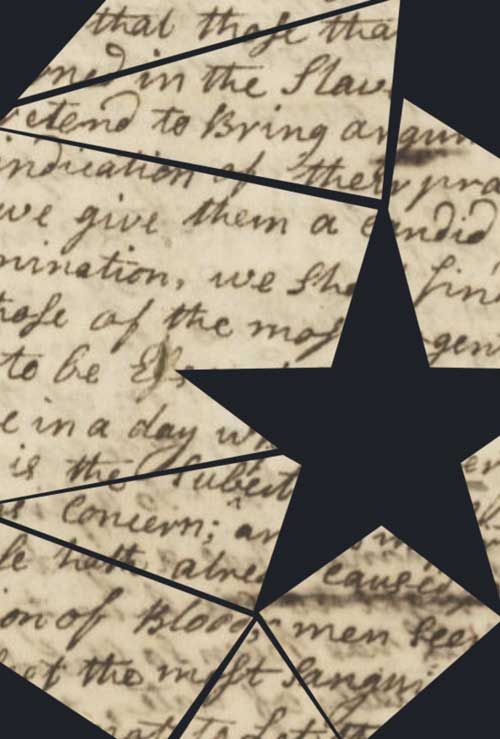
Reeves describes Mohawk leader Joseph Louis Cook and other Indigenous chiefs visiting with French and Continental forces.
Inglis argues against American independence in June 1776, warning that a declaration would end treaty negotiations and lose crucial British support.
A forceful denial of charges of conveying intelligence to British forces, defending against accusations of espionage during the Revolutionary War era.
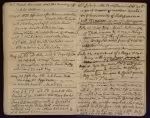
Drinker documents her husband's arrest by Revolutionary authorities and the tensions Quakers faced in occupied Philadelphia during 1777.
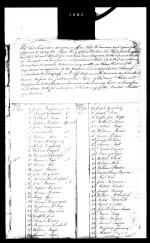
Pennsylvania's Revolutionary-era loyalty oath required white men to renounce King George III and pledge allegiance to the newly independent commonwealth.
People
23Enslaved bodyguard who signed a 1779 New Hampshire petition demanding freedom and the right to fight for liberty, embodying Revolutionary contradictions.
Black Loyalist who escaped slavery during the American Revolution and became one of the first Black Methodist missionaries in Sierra Leone.
New Hampshire signer of the Declaration of Independence, merchant, major general at Saratoga, state legislator, and judge.
First African American ordained minister in U.S. history. Served in Revolutionary War, became Congregationalist minister in Vermont for 30 years.
Pennsylvania regiment officer who rose from private to brevet captain during the Revolution, later becoming a Charleston silversmith and firemaster.
French Army officer who commanded the expeditionary force that aided the United States and helped plan the 1781 Yorktown campaign.
Author of Common Sense, the 1776 pamphlet urging American independence, and Rights of Man, defending the French Revolution and critiquing religion.
Seneca war chief who fought in the American Revolution and won the landmark Supreme Court case Seneca Nation v. Pattison, preserving tribal lands.
Places
21Explore Related Resources
-
Explores how colonial print networks of newspapers, pamphlets, and broadsides fueled the American Revolution by spreading revolutionary ideas.
-
Film exploring how Black soldiers fought for liberty on both sides of the Revolutionary War, yet faced re-enslavement and historical erasure.
-
Enslaved African Americans used Revolutionary rhetoric to petition for freedom, including Prince Hall's appeals, contributing to gradual Northern abolition.
-
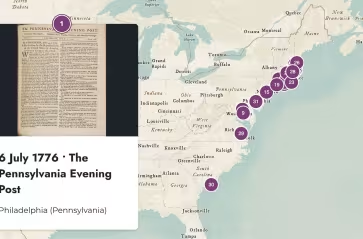
Interactive map tracks how 31 colonial newspapers spread the Declaration of Independence through print in the months following 4 July 1776.
-
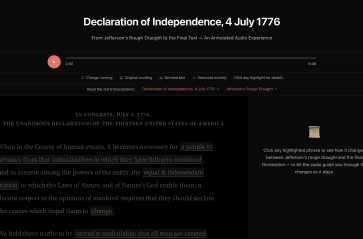
This interactive audio experience shows how Congress collectively revised Jefferson's draft of the Declaration of Independence.