
Sections in this exhibit
-
1
Section 1 A Famous Document Takes ShapeSection 1
In 1776, independence moved from argument to action when the Continental Congress asked a committee of five to draft a declaration. Their work turned a bold idea into a document that announced the United States to the world.
-
2
Section 2 Thomas Jefferson: Drafting the DeclarationSection 2
Thomas Jefferson wrote the first draft of the Declaration in June 1776, drawing on ideas colonists had debated for years. His draft gave the Committee of Five and Congress a starting point.
-
3
Section 3 John Adams: Debating IndependenceSection 3
John Adams helped secure the agreement that made the Declaration possible. Through debate and persuasion in Congress, he worked to unite the colonies behind the decision to declare independence.
-
4
Section 4 Benjamin Franklin: Writing for the WorldSection 4
Benjamin Franklin made minor edits to the Declaration, and he hoped the document would be used to persuade readers beyond the colonies.
-
5
Section 5 Roger Sherman: Law, Balance, and AuthoritySection 5
Roger Sherman helped ensure the Declaration worked as a clear, practical document. His legal judgment and support moved the draft forward.
-
6
Section 6 Robert R. Livingston: Writing Without a VoteYou are here
Robert R. Livingston helped draft the Declaration even though New York’s delegates were not yet allowed to vote for independence. His experience shows how the colonies moved toward unity at different paces.
-
7
Section 7 From Debate to DeclarationSection 7
The Declaration of Independence emerged from debate, uncertainty, and compromise in 1776. The document moved over time from a risky decision to a lasting symbol of the American nation and people.
Robert R. Livingston: Writing Without a Vote
Robert R. Livingston helped draft the Declaration even though New York’s delegates were not yet allowed to vote for independence. His experience shows how the colonies moved toward unity at different paces.
Writing Without Authority
Robert R. Livingston played an important but often overlooked role in the drafting of the Declaration of Independence. As a member of the Committee of Five, he helped shape the document that announced independence to the world. Yet Livingston faced a unique challenge.
As a delegate from New York, he was not authorized to vote for independence when Congress debated the issue.
In 1776, delegates were expected to follow instructions from the governments that sent them. While other colonies authorized support for independence, New York had not yet done so. As a result, New York's delegates could debate independence and even help write the Declaration, but they could not vote for it until new instructions arrived.
Collection of the New York Historical Society, Gift of Goodhue Livingston Jr. View in the NYHS Collections.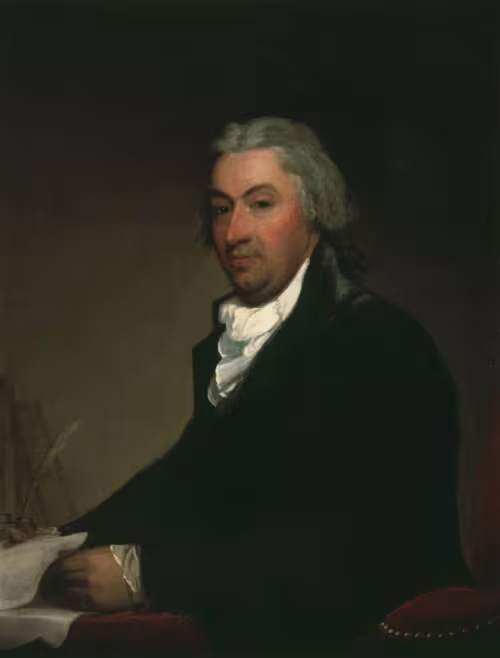
Robert R. Livingston
Robert R. Livingston
Co-drafted the Declaration of Independence, worked on the first New York State constitution, and negotiated the Louisiana Purchase as minister to France.
New York Delegates to the New York Provincial Congress, 8 June 1776, in Smith, Letters of Delegates, 4:171–72.
New York Delegates to the New York Provincial Congress, 8 June 1776.
Limits from New York
Livingston was deeply involved in the Committee of Five’s work. He reviewed drafts at least twice, discussed language, and helped prepare the Declaration for presentation to Congress. At the same time, New York’s provincial authorities put limits on his authority. Unlike Virginia or Massachusetts, New York had not yet approved voting for independence. As a result, Livingston could help write the Declaration but could not vote for it.
This position was frustrating and confusing. Livingston believed independence was necessary and inevitable. He wrote back to leaders in New York, urging them to act quickly so their delegates could join the decision. His letters show that the delay was due to political timing and uncertainty at home. New York was still reorganizing its government and facing military threats.
But Livingston was not hesitant.
New York Provincial Congress to the New York Delegates, 11 June 1776, Papers of the Continental Congress, Item 67, 1:228–31.
New York Provincial Congress to the New York Delegates, 11 June 1776.
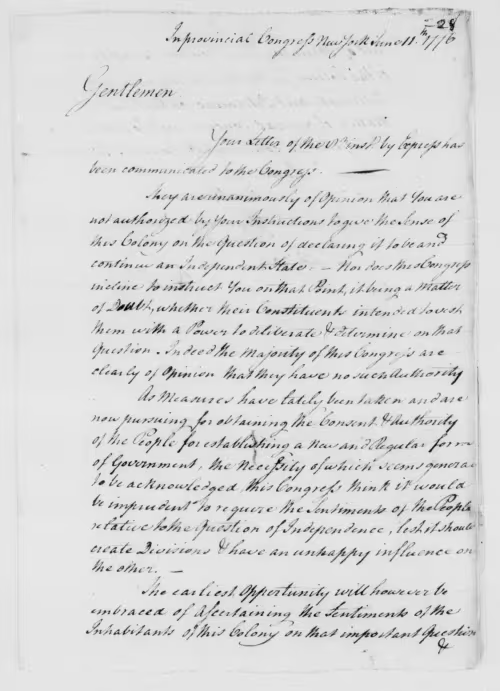
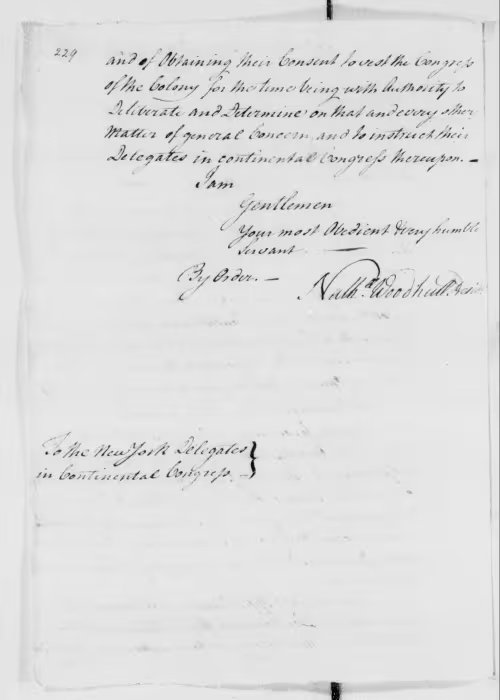
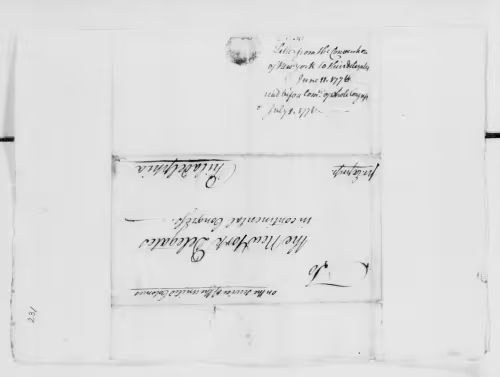
New York Provincial Congress to the New York Delegates, 11 June 1776
New York Provincial Congress to the New York Delegates, 11 June 1776
Nathaniel Woodhull forbids New York's delegates to the Continental Congress from voting on independence, revealing colonial hesitation prior to July 1776.
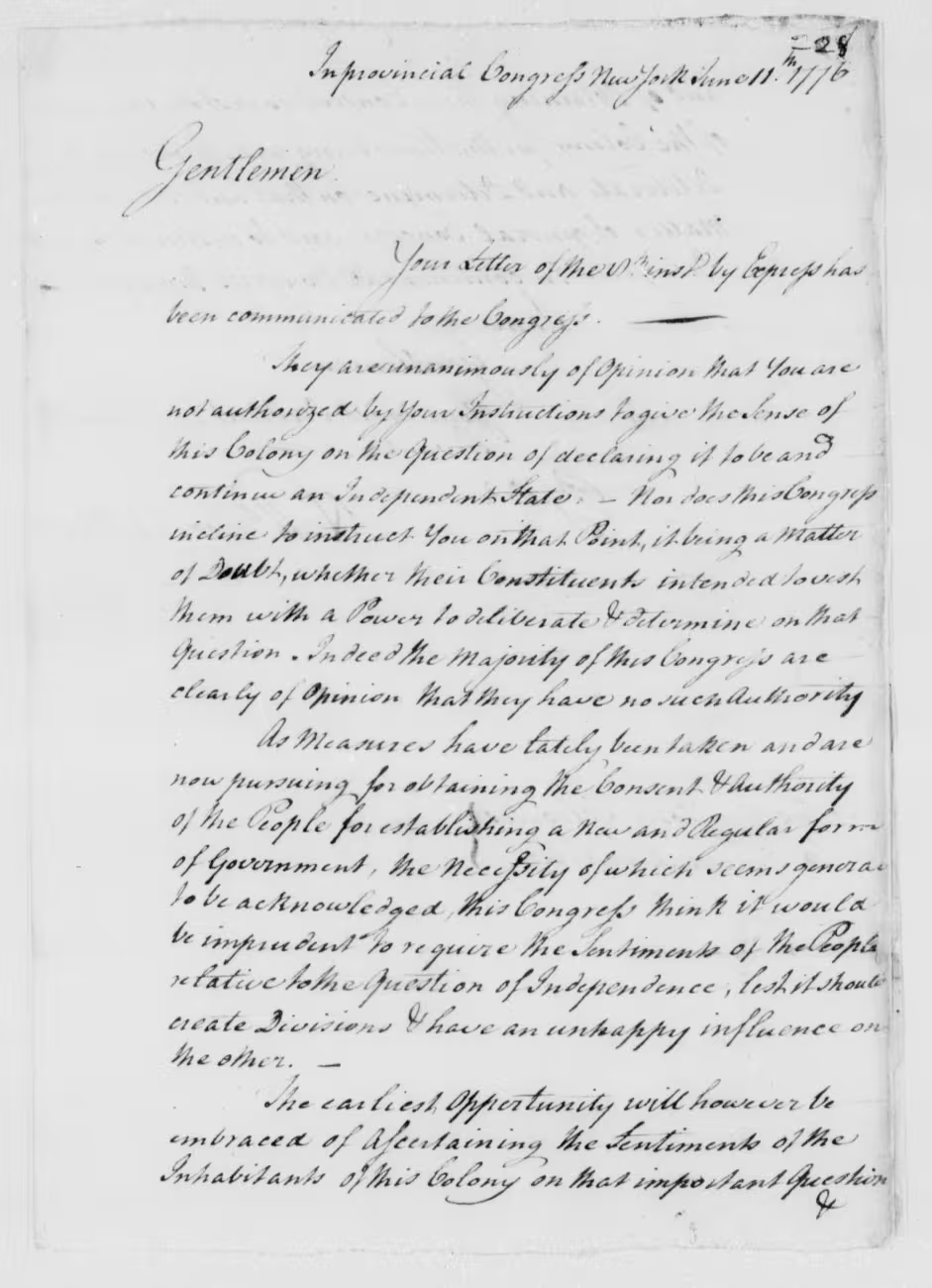
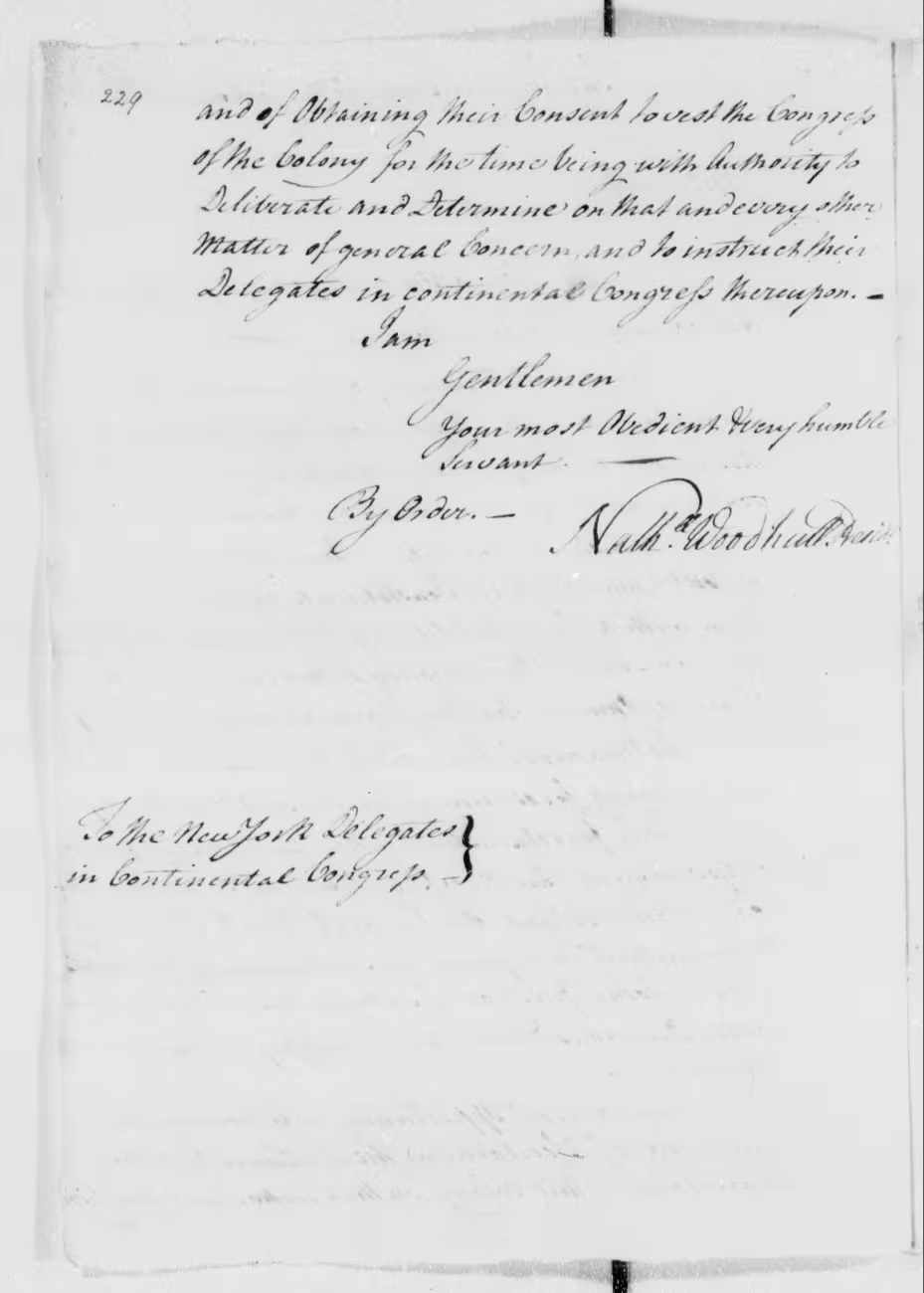
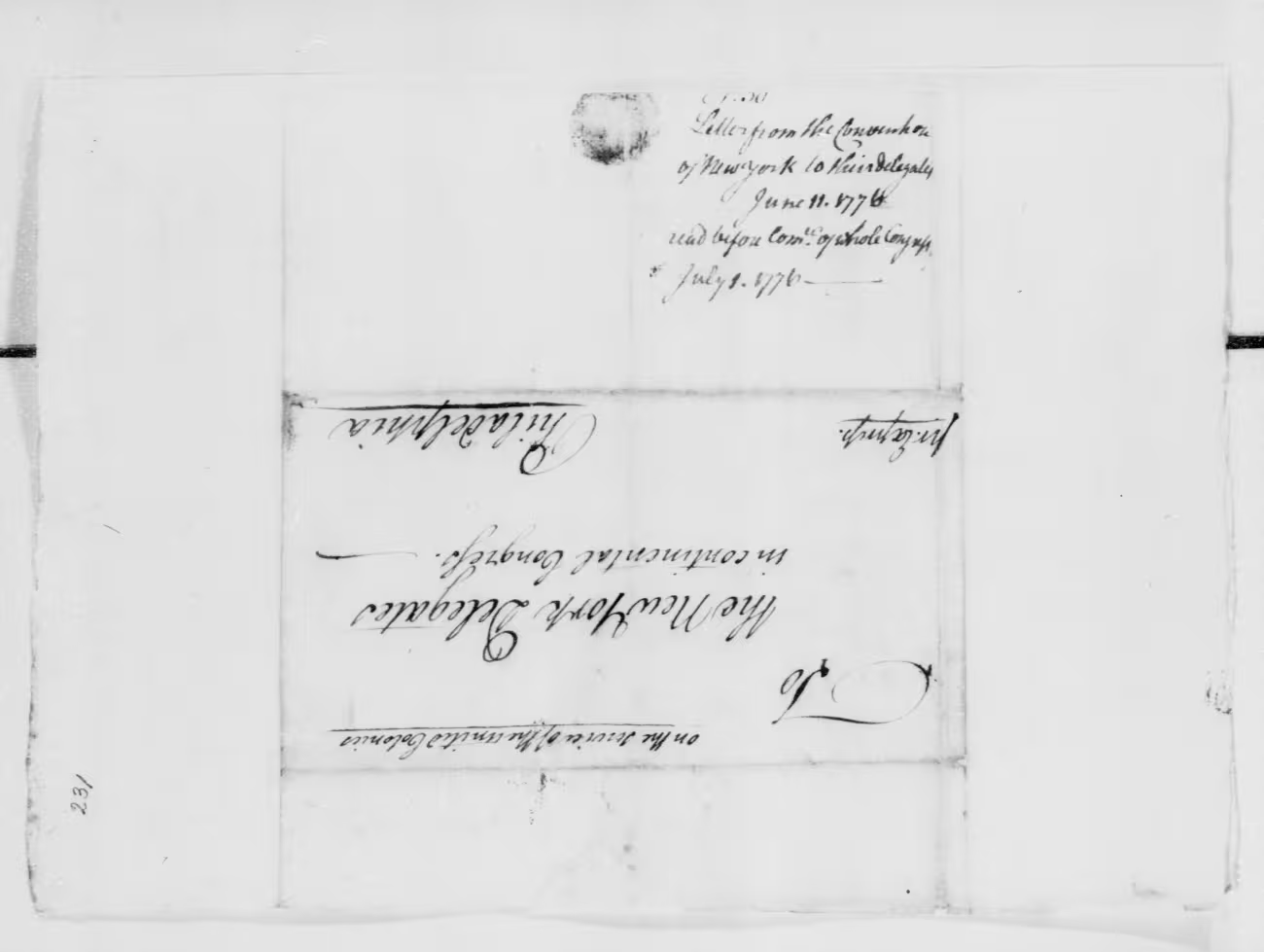
New York’s provincial leaders explained to their congressional delegates in June 1776 that they did not yet have the authority to vote for independence. This instruction meant that Livingston, as well as the other delegates, could help discuss independence but could not yet vote for it.
Unity in Progress
Livingston’s situation reminds us that independence did not move at the same pace in every colony. The Declaration was drafted in a moment when unity was still forming. Writing the document was easier than achieving full agreement across thirteen colonies.
New York Delegates to the New York Provincial Congress, 17 June 1776, in Smith, Letters of Delegates, 4:258–59.
New York Delegates to the New York Provincial Congress, 17 June 1776.
A Decision Still Unfolding
As the vote approached, the New York delegates warned their leaders that independence might be declared before they received new instructions.
New York Delegates to the New York Provincial Congress, 2 July 1776, in Smith, Letters of Delegates, 4:371–72.
New York Delegates to the New York Provincial Congress, 2 July 1776.
This is why early versions emphasized Congress acting on behalf of the colonies, rather than claiming full unanimity. Only later, after New York granted permission, could the Declaration be described as unanimous.

Jefferson's draft identified the document simply as a declaration made by the representatives in Congress. At this point, Congress had approved independence but it was not unanimous. Not every colony had authorized its delegates to support it.

Once New York authorized independence on 9 July, printers and officials could describe the Declaration as “The unanimous Declaration of the thirteen united States of America.” This revised language showed that all 13 states stood behind the decision.
Support without a Signature
Livingston’s role shows how carefully that unity was constructed. Independence was not a single moment, but a process that unfolded over weeks. Because New York’s delegates could not vote, the Declaration adopted on 4 July did not include their approval. On 9 July 1776, the New York Provincial Congress approved the Declaration. This eventual support made the Declaration unanimous and perhaps created a false narrative that every colony agreed fully from the start.
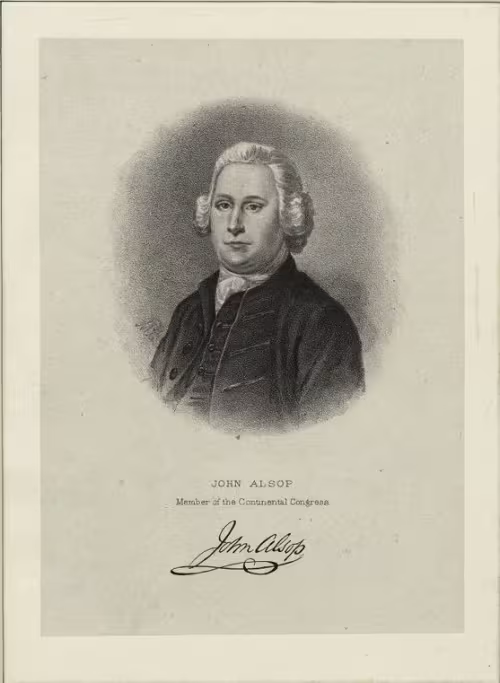
John Alsop
John Alsop
New York delegate who signed the Continental Association but resigned from Congress rather than sign the Declaration of Independence in 1776.
Although Livingston supported the Declaration, other New York delegates did not. John Alsop, a merchant, was among that group. On 16 July, after the New York Provincial Congress reported that New York was “a free and independent State,” he resigned. Reconciliation, Alsop believed, was still possible.
John Alsop to the New York Provincial Congress, 16 July 1776, in Smith, Letters of Delegates, 4:466–67.
John Alsop to the New York Provincial Congress, 16 July 1776.
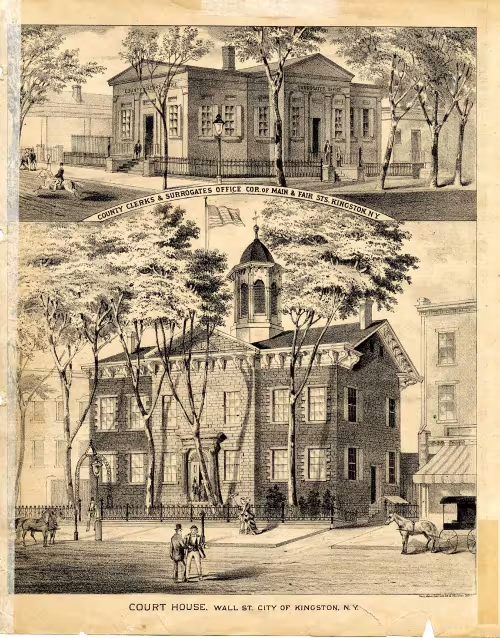
Courthouse Wall St. City of Kingston, N.Y., in F.W. Beers' County Atlas of Ulster New York (1875)
Courthouse Wall St. City of Kingston, N.Y., in F.W. Beers' County Atlas of Ulster New York (1875)
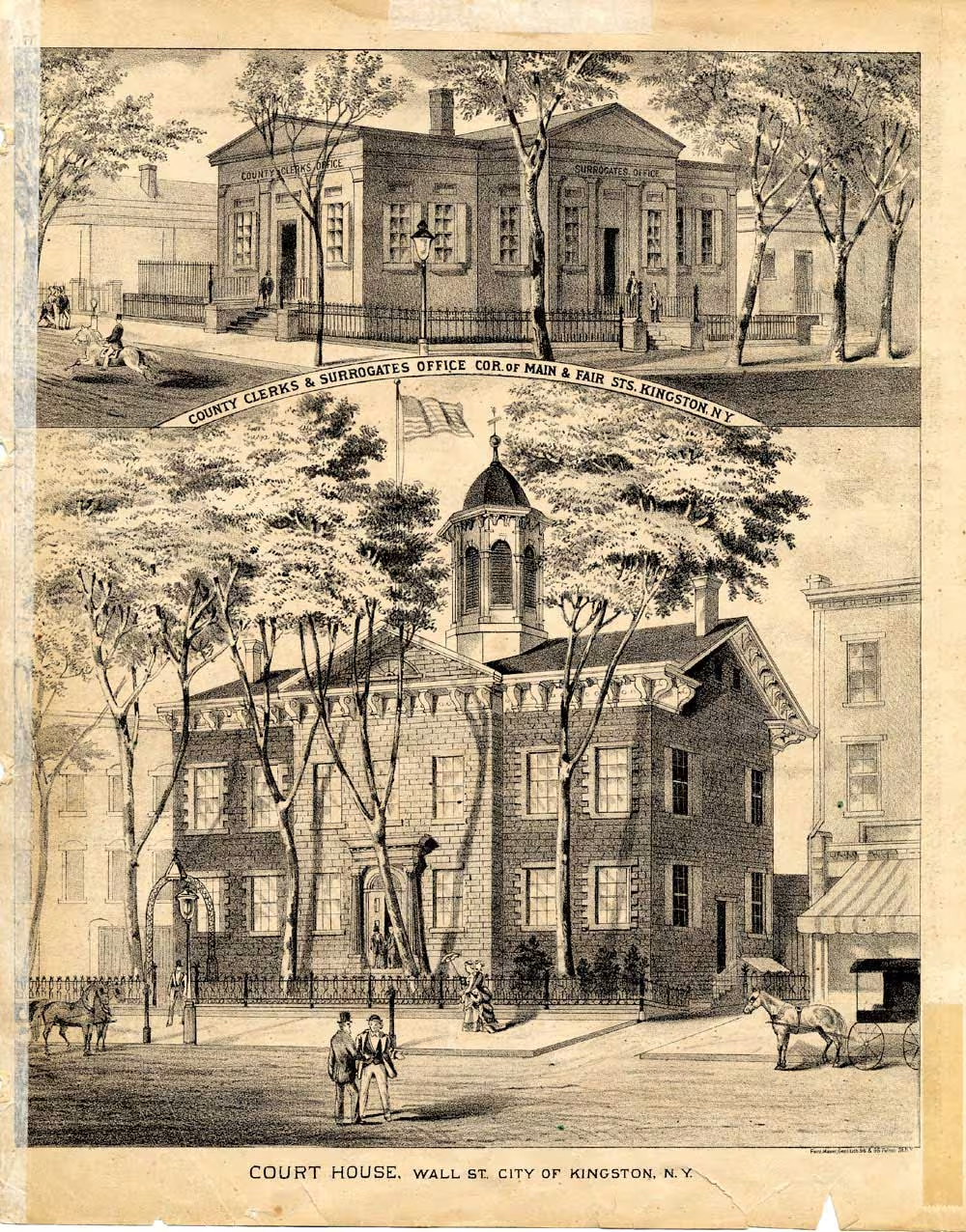
Robert R. Livingston supported the drafting of more than one revolutionary document. Following his role on the Committee of Five, he return to New York where he contributed to the development of New York's first state constitution. The New York Provincial Congress adopted that constitution on 20 April 1777, less than a year after the publication of the Declaration of Independence. They ordered that it be posted to the door of the courthouse of Kingston, NY, where they had been meeting. Though that courthouse was later burned by the British, another courthouse (as pictured above, in a print from 1875) was erected on the same site.
Livingston’s name is missing from the list of signers on the final parchment. This absence has sometimes been misunderstood as reluctance. This is inaccurate. Livingston left Congress in July to help lead and design New York’s new state government. By the time the engrossed copy was signed in August, he was no longer present.
His absence reminds us that signing the Declaration was not the same as supporting it. Many who shaped independence did so through drafting, debate, and state-level leadership rather than signatures alone.