
Sections in this exhibit
-
1
Section 1 The Declaration’s Sound: Small Changes, Big ImpactsYou are here
The founders were very concerned about how the Declaration sounded when read. Many of the early changes they made to the Declaration’s rough draft reflected that focus.
-
2
Section 2 Refining the Rhetoric: Subjects and CitizensSection 2
By changing a single word—switching “subjects” for “citizens”—the founders signaled their interest in the Enlightenment. The Declaration’s drafters also believed a focus on legal “rights” made their case for independence stronger.
-
3
Section 3 Passing Congress: The Declaration and Political CompromiseSection 3
Getting the Continental Congress to agree on the Declaration required compromise. As a result, the delegates removed two sections almost entirely. The first dealt with slavery and the second involved “love” for Britain.
-
4
Section 4 Who Is Declaring Independence?Section 4
Congress changed the Declaration’s title a few weeks after approving it. The name change stressed that the Declaration was the “unanimous” opinion of Congress. Stressing that the thirteen states were truly united behind independence helped counter Loyalist arguments. This change also helped American diplomats gather support abroad.
-
5
Section 5 The Declaration, Finished or Just Started?Section 5
The Declaration’s Sound: Small Changes, Big Impacts
The founders were very concerned about how the Declaration sounded when read. Many of the early changes they made to the Declaration’s rough draft reflected that focus.
Precision and Sound: Fine-tuning the Declaration
Congress and the Committee of Five made several small edits to the second paragraph of Jefferson’s Declaration of Independence draft. They changed specific words and tried different spelling and punctuation. While none of these edits altered what Jefferson was trying to say, they did impact how the document sounded when read. This was important, as many Americans heard the Declaration spoken out loud. The Declaration had to persuade Americans to back independence. The document had to be memorable.
Who Edited the Declaration?
After Thomas Jefferson finished his rough draft, the Declaration of Independence went through two major rounds of revision. The first to work on it was the “Committee of Five,” which had been tasked with writing the document. That group included Jefferson, John Adams, Benjamin Franklin, Roger Sherman, and Robert R. Livingston.
Collections of the Massachusetts Historical Society. View in the MHS Online Collections.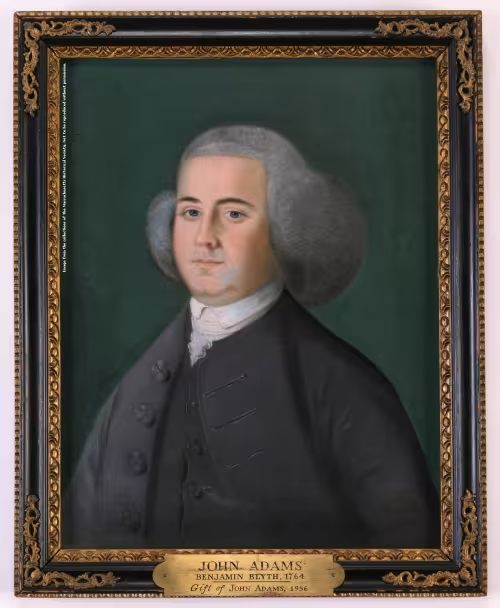
John Adams
John Adams
Lawyer who defended British soldiers after the Boston Massacre, championed independence in Congress, and served as the second U.S. president.
From the New York Public Library. View in the NYPL Digital Collections.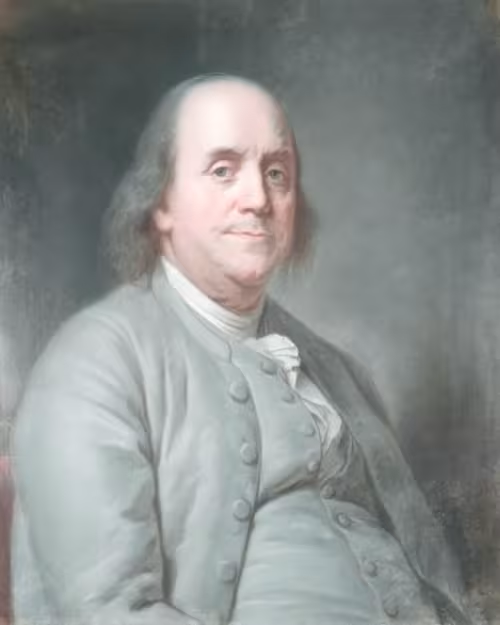
Benjamin Franklin
Benjamin Franklin
Helped draft the Declaration of Independence and worked to secure the crucial Franco-American alliance that changed the course of the Revolution.
Thomas Jefferson, from life, c. 1791-1792, by Charles Willson Peale. U.S. National Park Service, Independence National Historical Park. View the NPS Multimedia Record.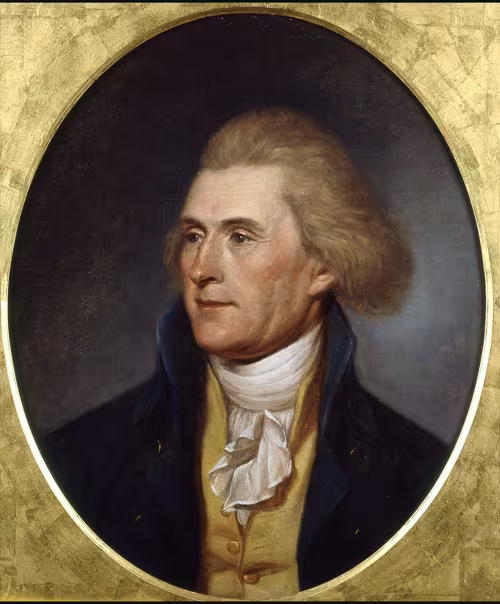
Thomas Jefferson
Thomas Jefferson
A prominent early-American politician who drafted the Declaration of Independence and served as the third U.S. president.
Collection of the New York Historical Society, Gift of Goodhue Livingston Jr. View in the NYHS Collections.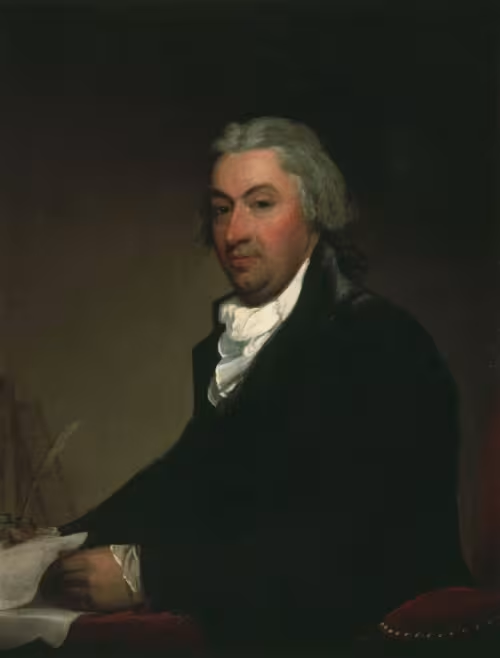
Robert R. Livingston
Robert R. Livingston
Co-drafted the Declaration of Independence, worked on the first New York State constitution, and negotiated the Louisiana Purchase as minister to France.
Yale University Art Gallery.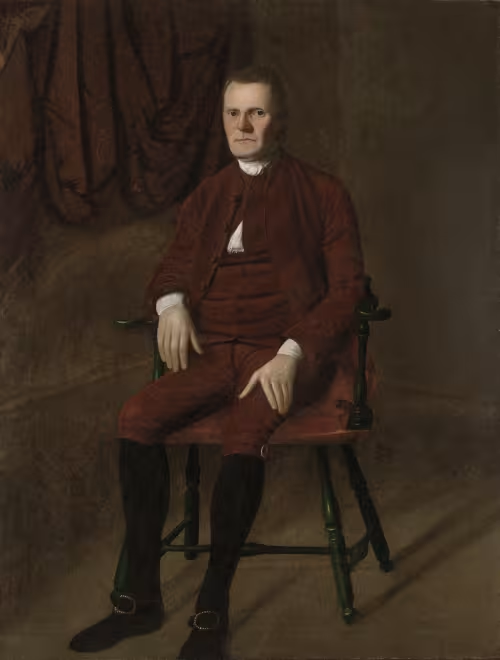
Roger Sherman
Roger Sherman
The only signer of all four founding documents and architect of the Connecticut Compromise that established the bicameral structure of Congress.
It is impossible to know for certain who on the committee made what changes. The draft was passed back and forth in the Committee. Adams’s and Franklin’s handwriting appears a few times.
Benjamin Franklin's Handwriting

John Adams's Handwriting

Thomas Jefferson's Handwriting
Most of the handwriting, however, is Jefferson’s. We do not know if he made the changes in his writing alone, or with input from the Committee.

When the Committee was finished, they sent it to Congress for final approval. In early July, Congress made additional changes.
Changing the Second Paragraph
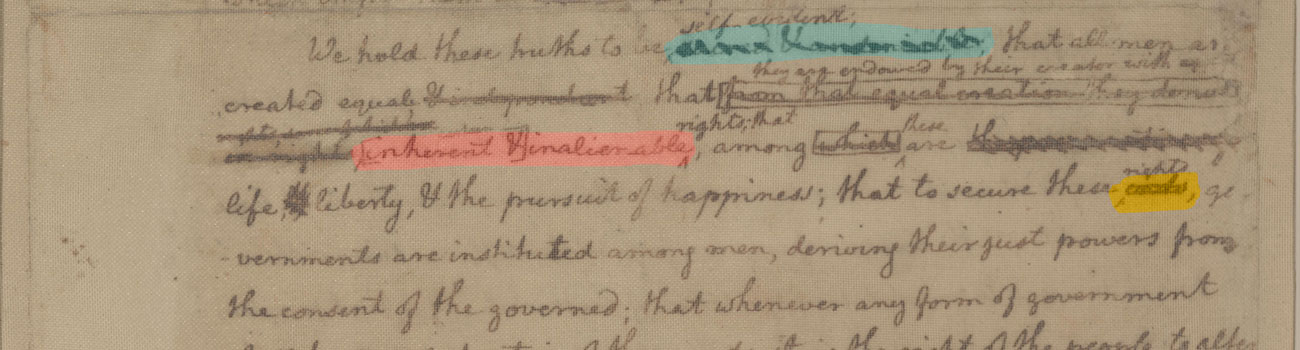
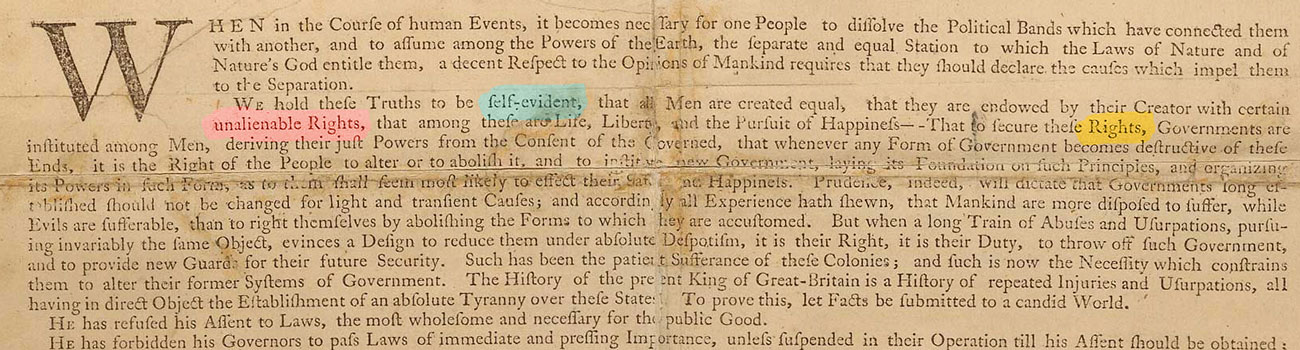
The second paragraph of the Declaration might be the most well-known. But it did not always read the way it looks now. The Committee, for example, traded Jefferson’s “sacred & undeniable” for “self-evident.” It chose “to secure these rights” over “to secure these ends.” By the time Congress approved the document, Jefferson’s “inalienable” had become “unalienable.”
The Rough Draft
The Final Version
What Was the Outcome?
None of these revisions changed the meaning of what Jefferson was first trying to say. While “rights” is a stronger word than “ends,” switching the word back would not impact the Declaration’s message. Inalienable and unalienable mean exactly the same thing.
It is impossible to say if these edits would have affected what Americans thought about the Declaration. The revised paragraph, however, helped the Declaration become famous. Americans read it aloud in public across the thirteen colonies.
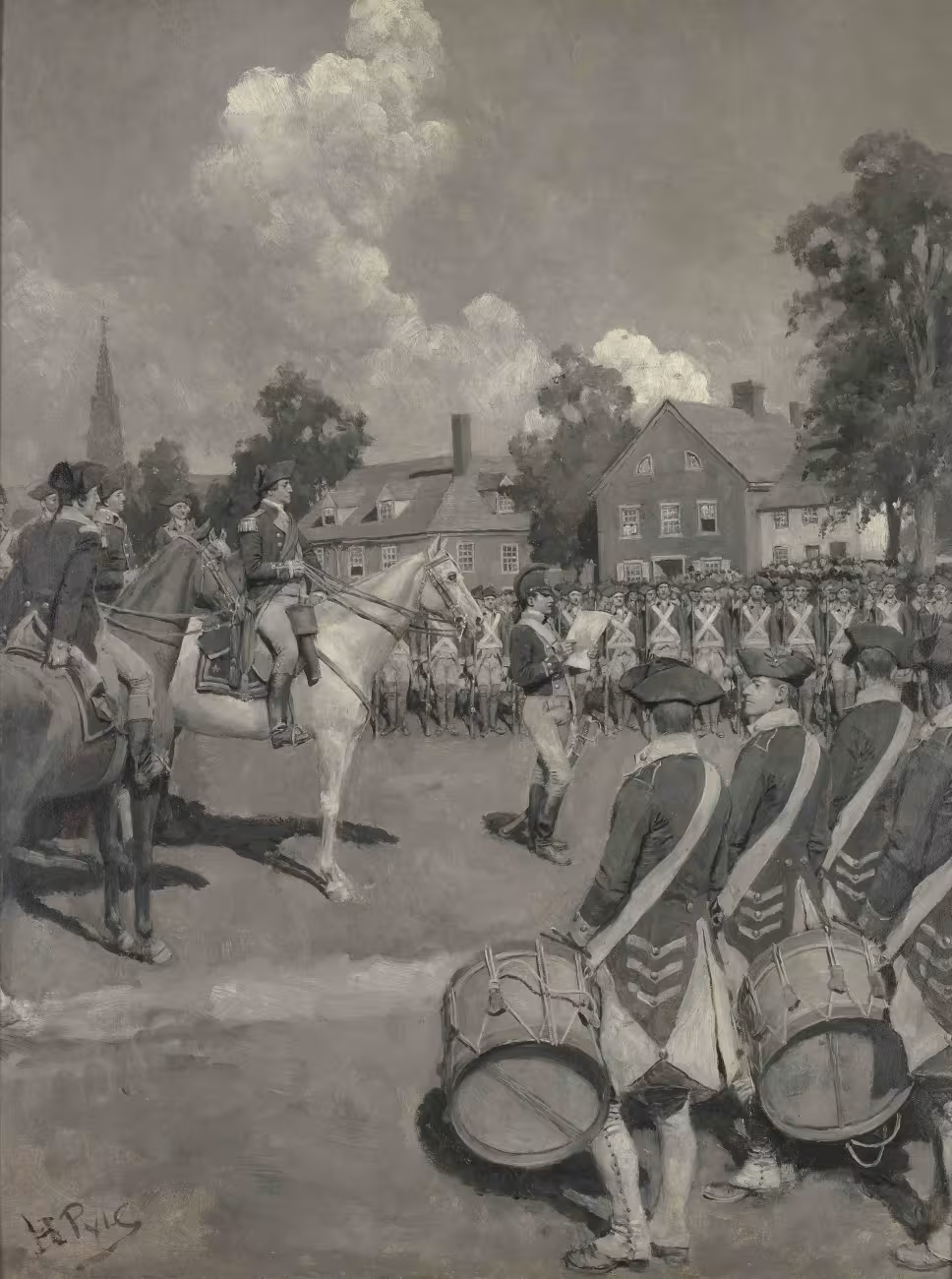
The Army Hears the Declaration
George Washington hoped the Declaration would help recruit people into the Continental Army.
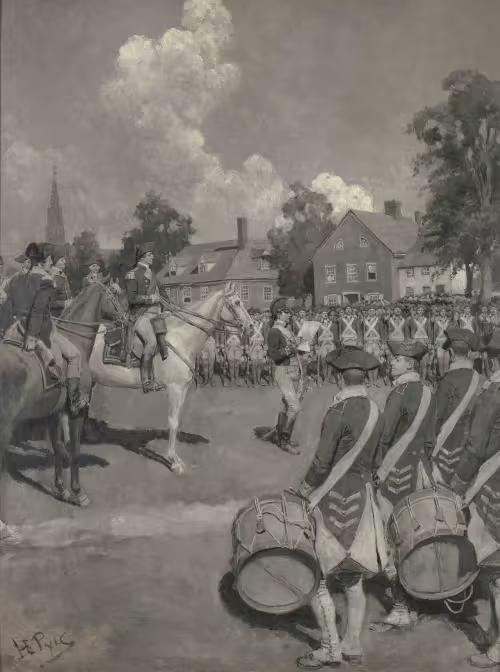
Reading the Declaration before Washington's Army, by Howard Pyle (1892)
Reading the Declaration before Washington's Army, by Howard Pyle (1892)
6 July 1776
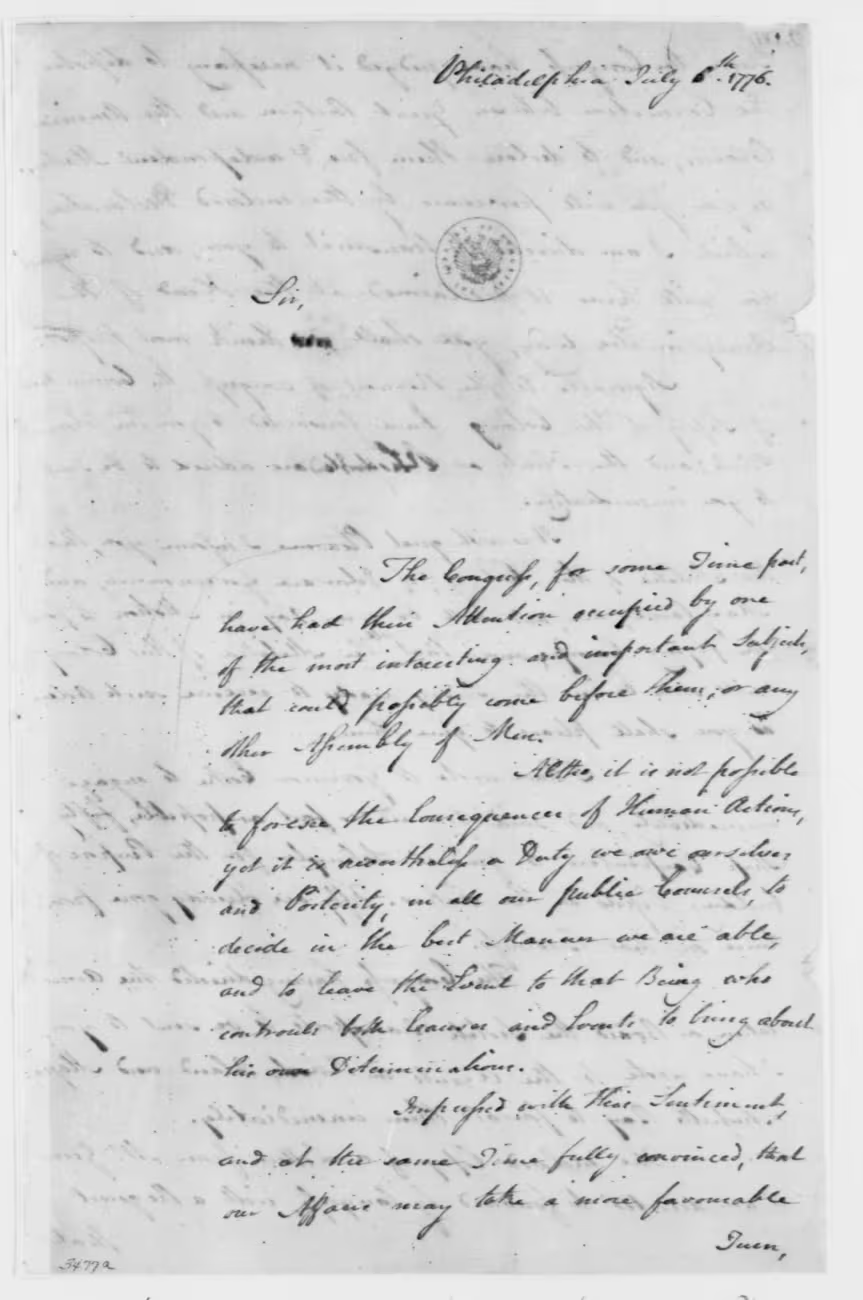
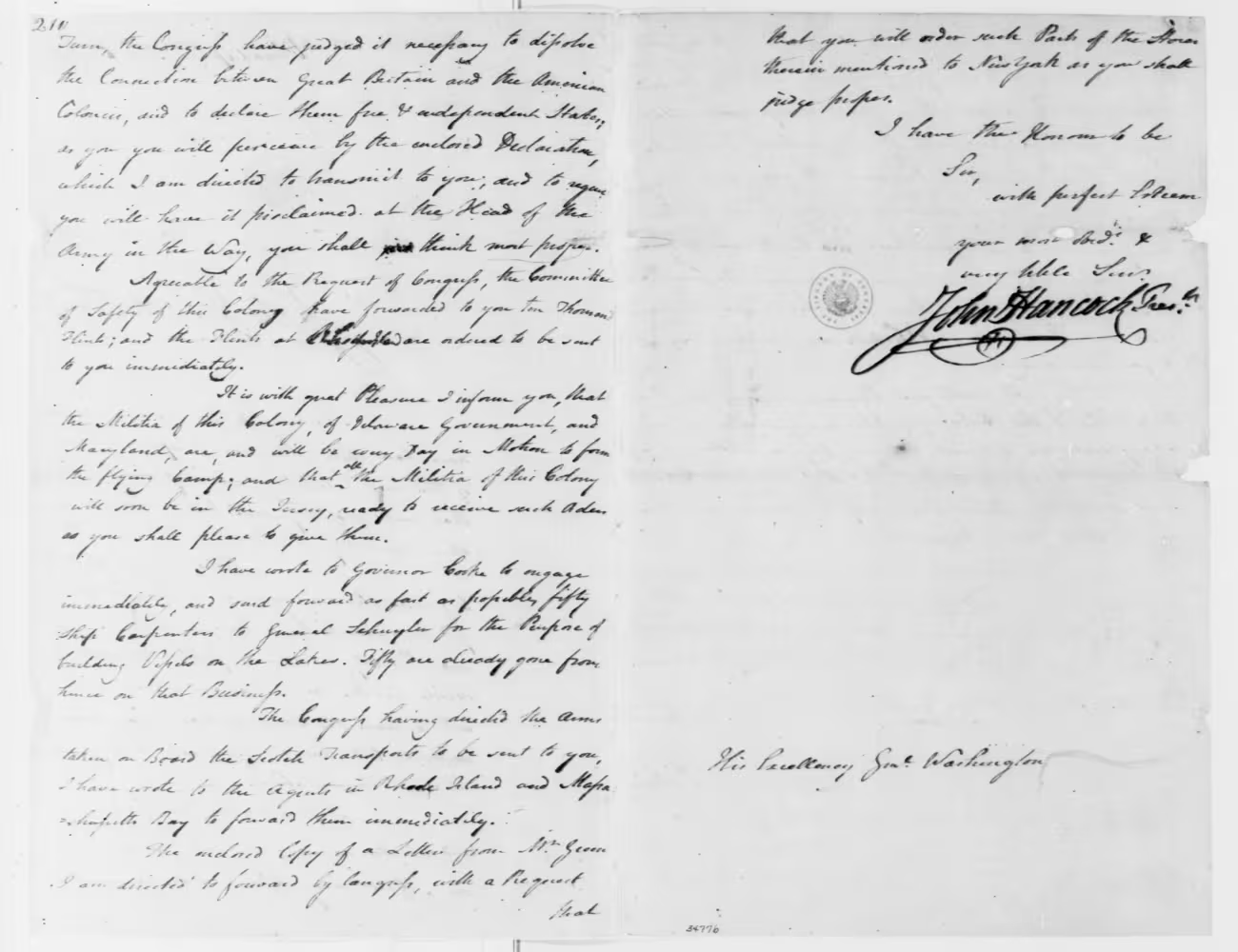
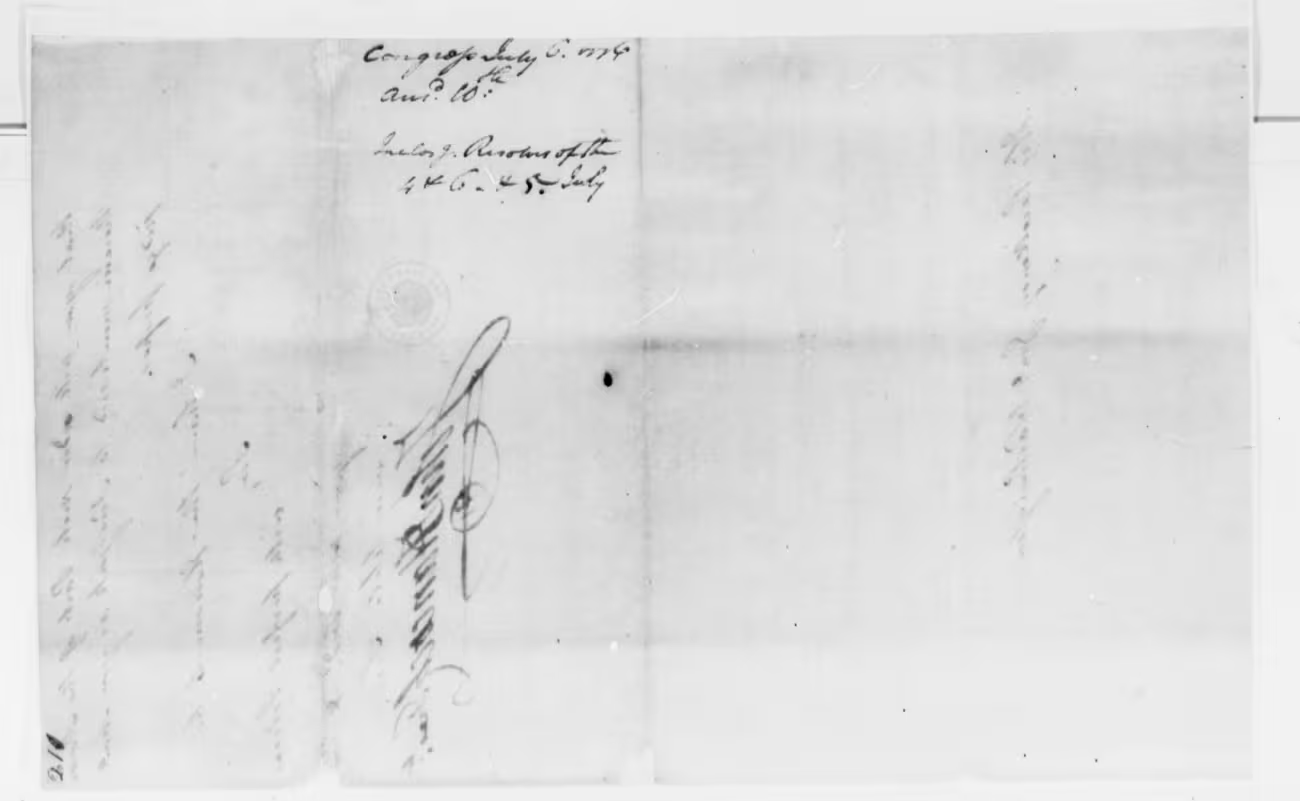
Only a few days after Congress approved the Declaration, John Hancock asked Washington to have it read to his soldiers.
Photograph © Museum of Fine Arts, Boston. View in the MFA Boston Collections.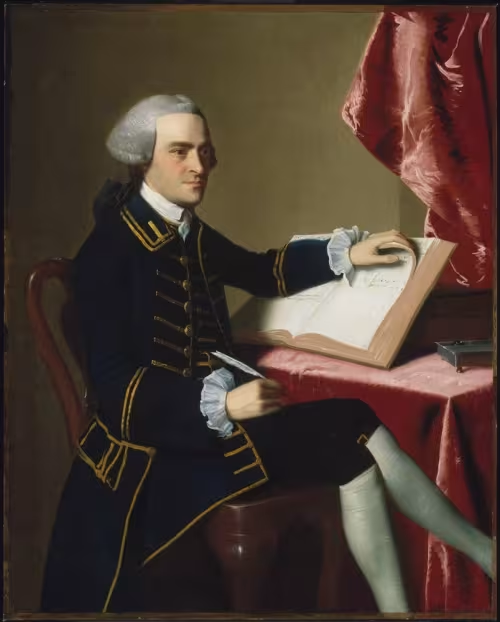
John Hancock
John Hancock
Wealthy merchant who served as president of the Continental Congress during the vote for independence and later as governor of Massachusetts.
National Portrait Gallery, Smithsonian Institution; acquired as a gift to the nation through the generosity of the Donald W. Reynolds Foundation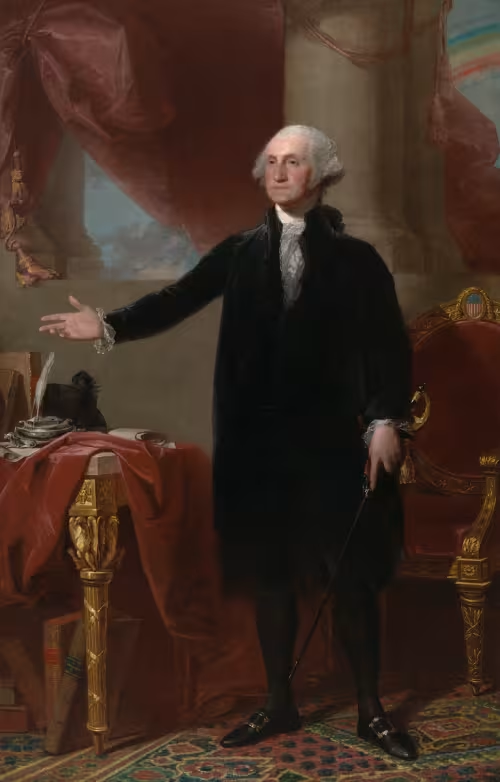
George Washington
George Washington
Commander-in-chief of the Continental Army during the Revolutionary War who became the first U.S. president, setting key precedents for federal government.
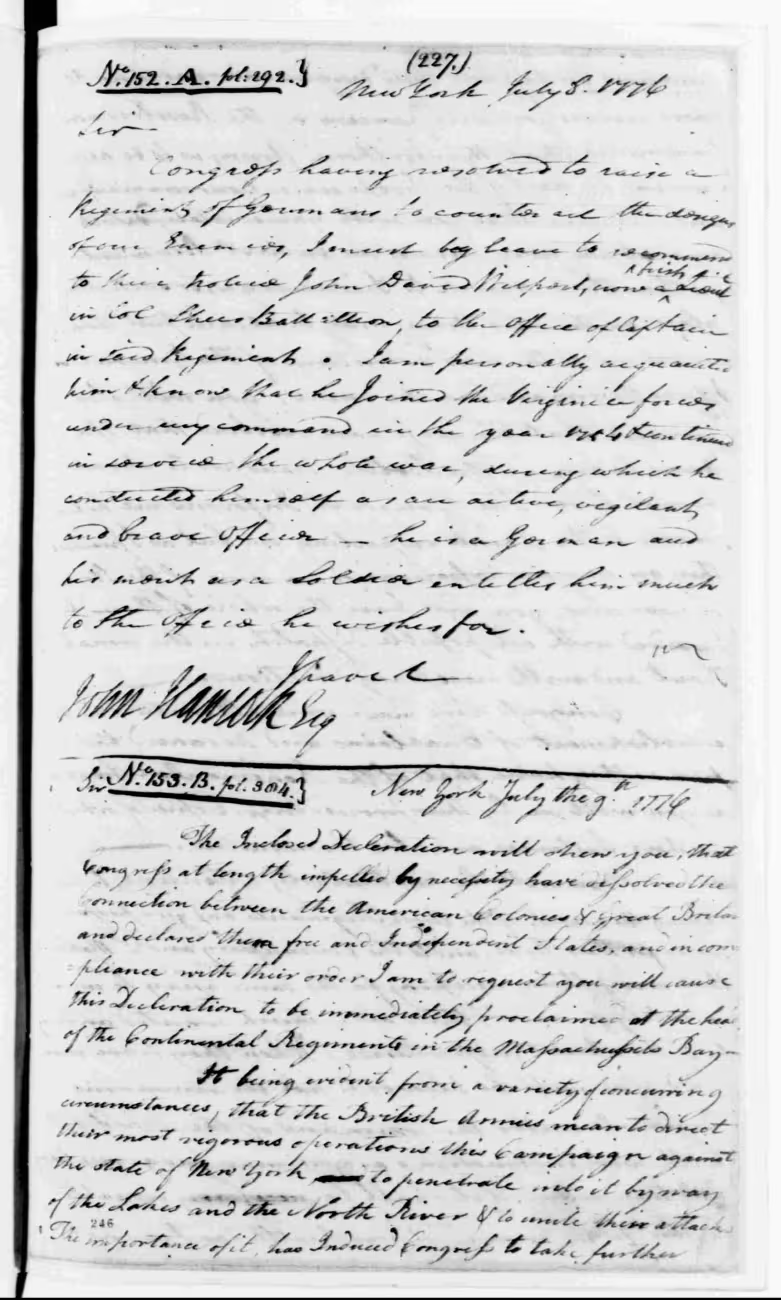
John Hancock to George Washington, 6 July 1776.
John Hancock to George Washington, 6 July 1776.
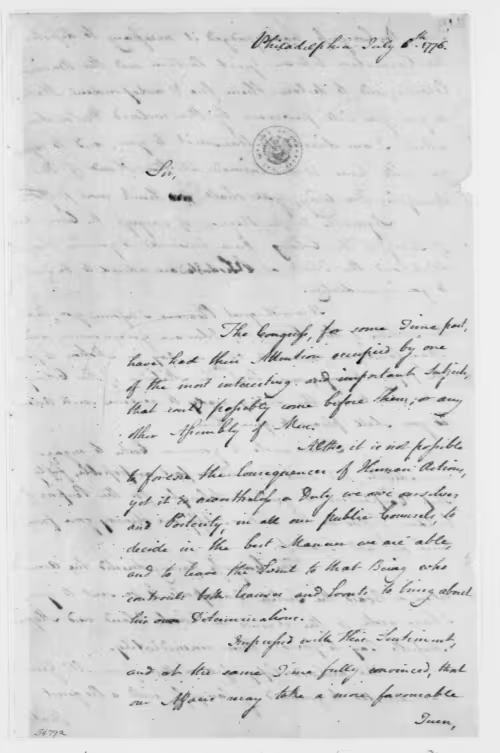
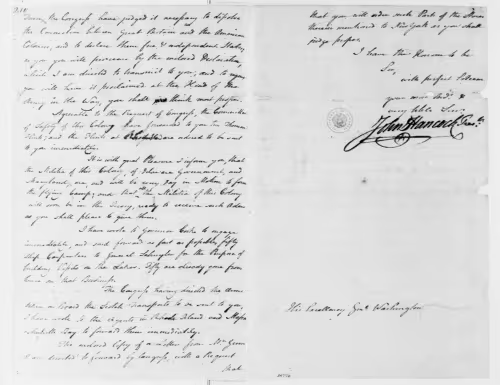
John Hancock to George Washington, 6 July 1776
John Hancock to George Washington, 6 July 1776
John Hancock transmits the Declaration of Independence to George Washington, requesting it be proclaimed to the Army.
9 July 1776
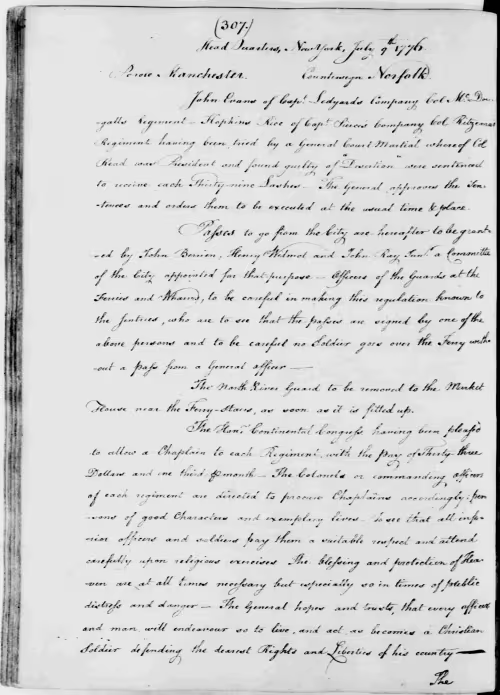
Washington quickly agreed to Hancock’s request. He ordered the entire Continental Army to read the Declaration out loud when the troops gathered at 6:00 PM on 9 July.
National Portrait Gallery, Smithsonian Institution; acquired as a gift to the nation through the generosity of the Donald W. Reynolds Foundation
George Washington
George Washington
Commander-in-chief of the Continental Army during the Revolutionary War who became the first U.S. president, setting key precedents for federal government.
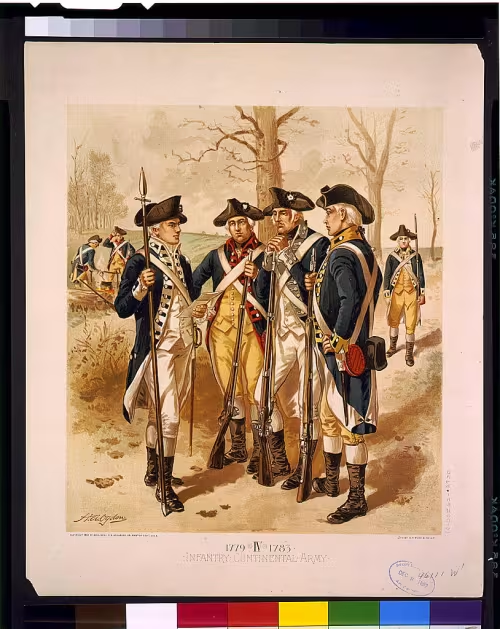
Continental Army
Continental Army
Unified military force led by George Washington that transformed colonial militias into a national army for American independence.
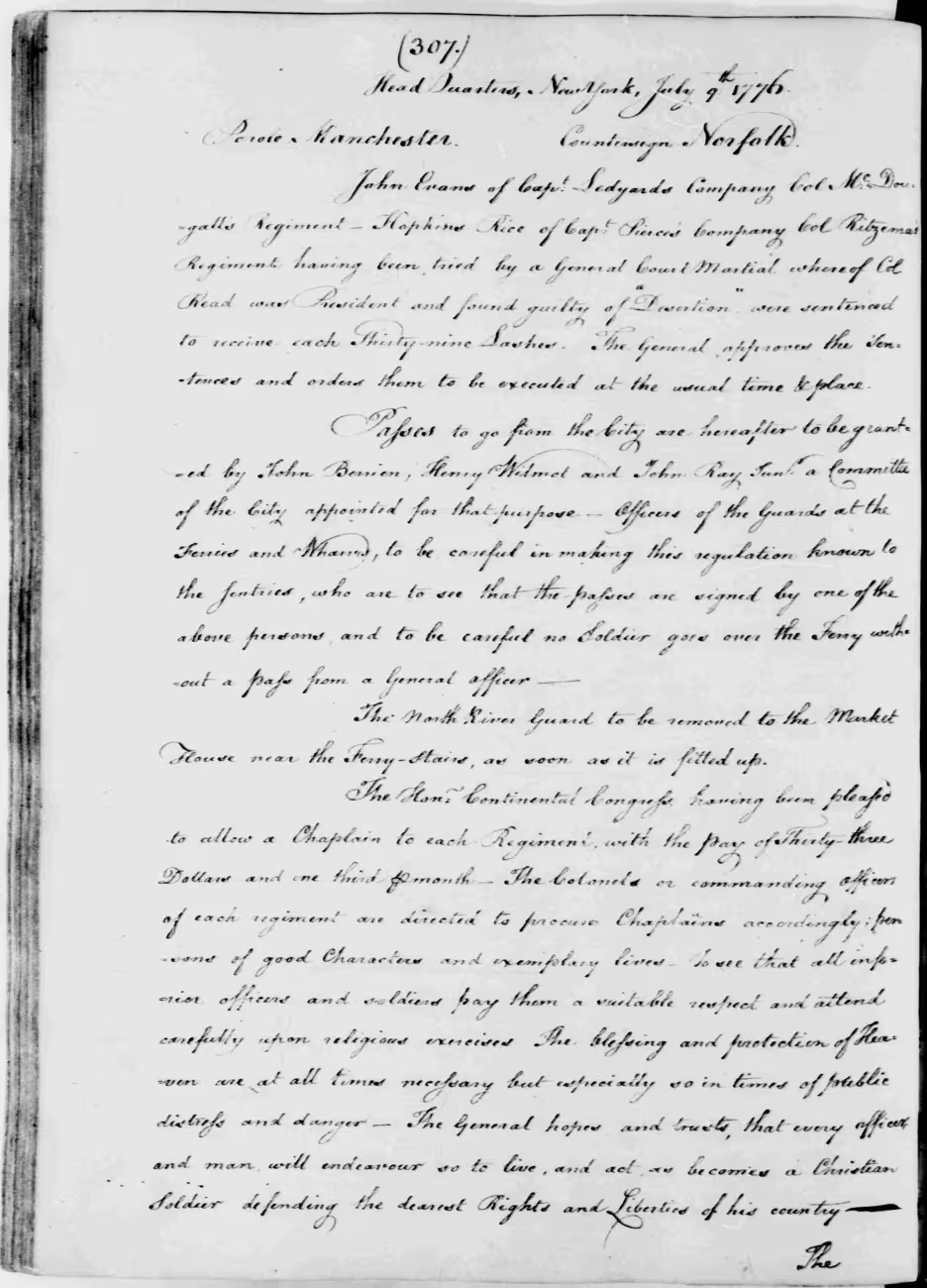
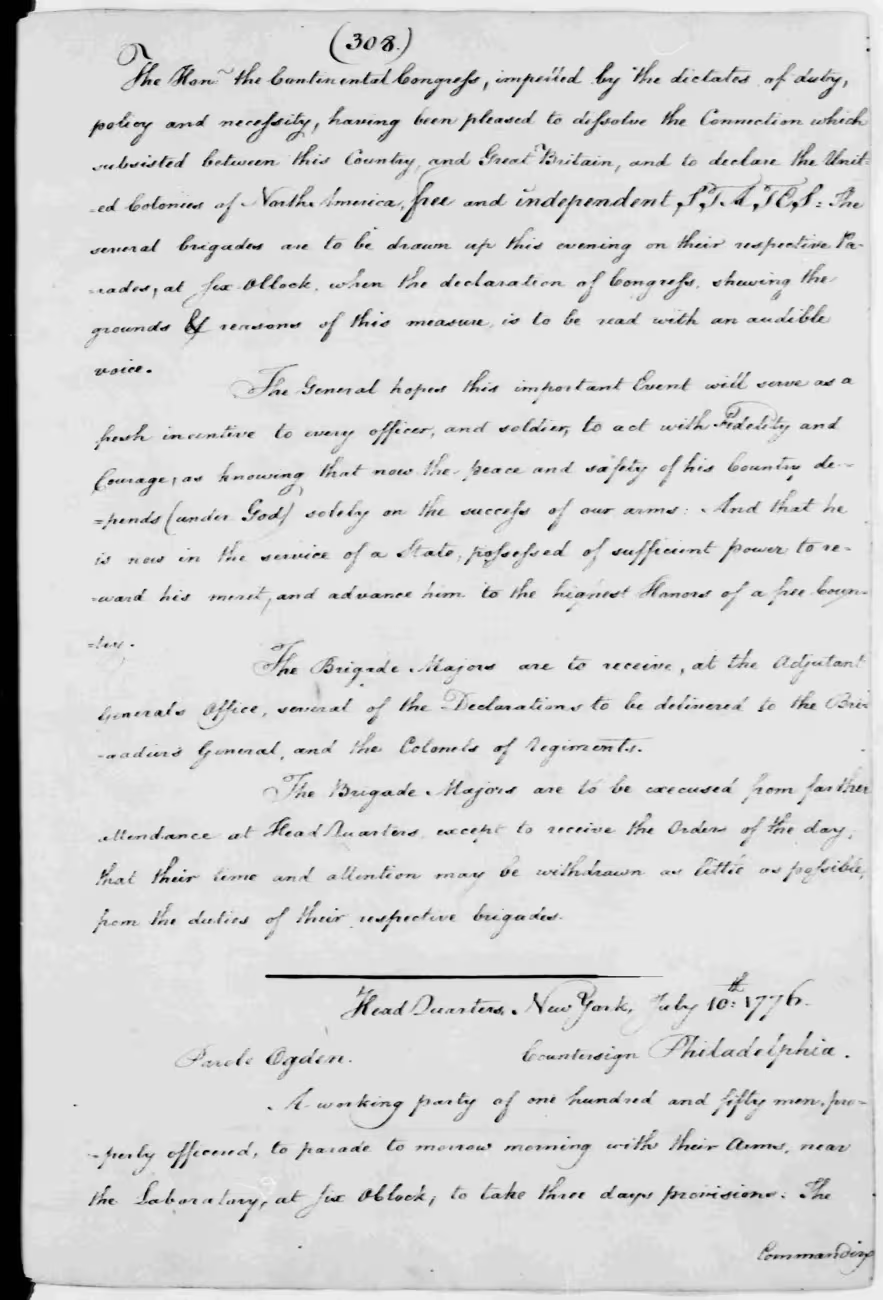
General Orders, 9 July 1776. Papers of George Washington.
General Orders, 9 July 1776.
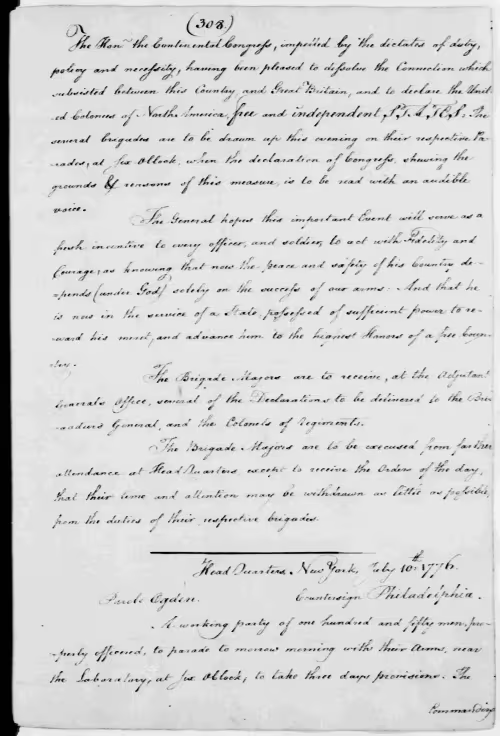
General Orders, 9 July 1776
General Orders, 9 July 1776
Orders instructing brigades to read the Declaration of Independence to troops, marking the first official military announcement of American independence.
9 July 1776
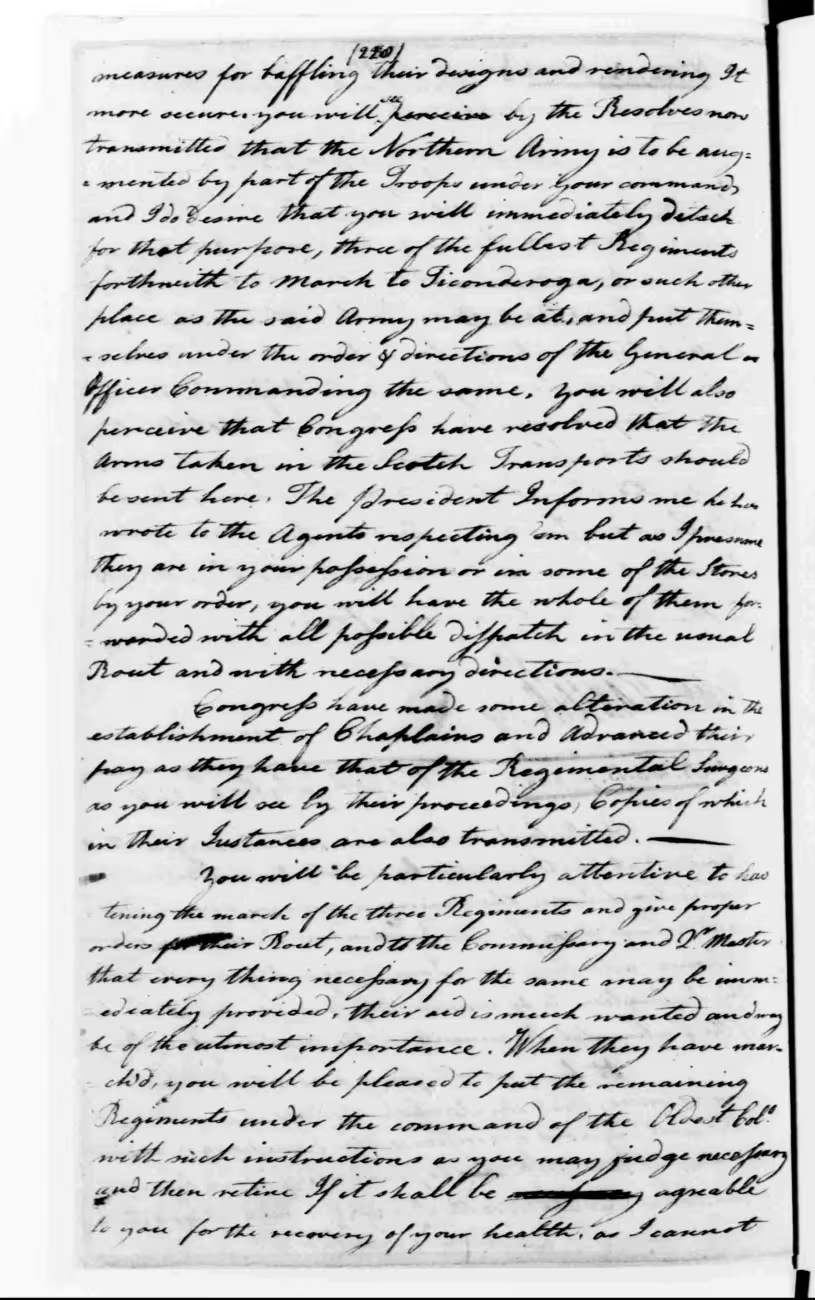
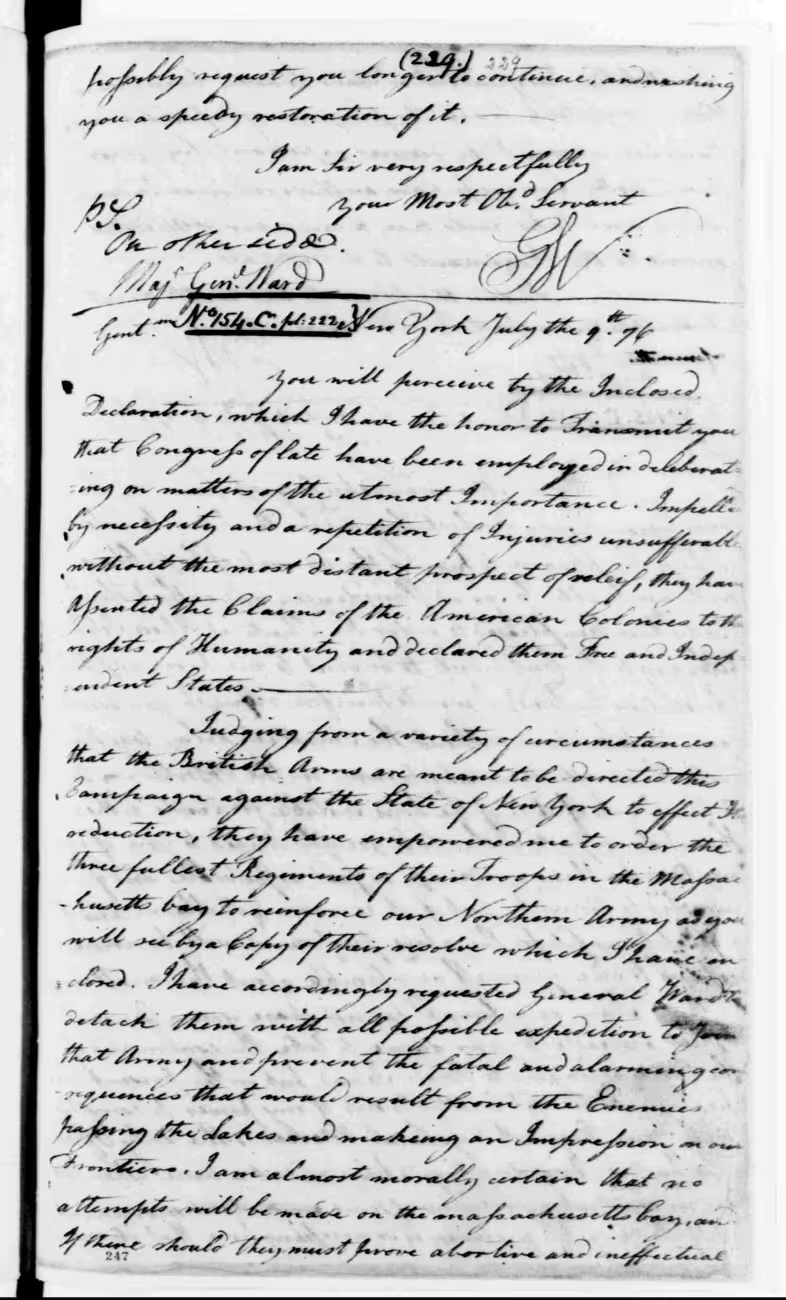
General Washington was in New York City that July. But he also made sure that soldiers in other places heard the Declaration, too. In this letter, he tells General Artemas Ward, who was in Massachusetts, to read it to his army “immediately.”
National Portrait Gallery, Smithsonian Institution; acquired as a gift to the nation through the generosity of the Donald W. Reynolds Foundation
George Washington
George Washington
Commander-in-chief of the Continental Army during the Revolutionary War who became the first U.S. president, setting key precedents for federal government.
Photo © President and Fellows of Harvard College. Harvard Art Museums, Harvard University Portrait Collection, General Artemas Ward House Museum, Shrewsbury MA, Bequest of Artemas Ward, 1925. View at the Harvard Art Museums.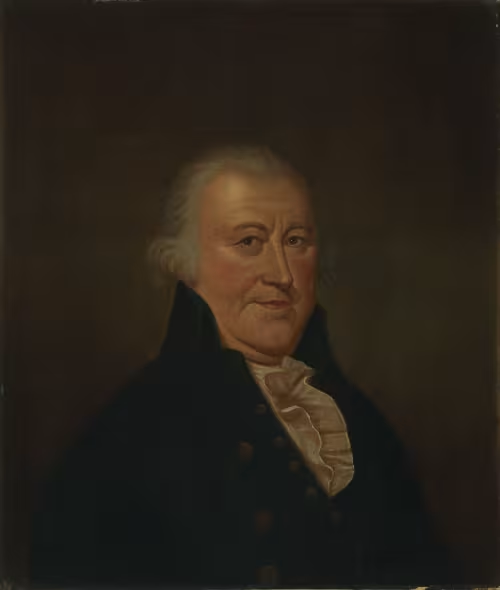
Artemas Ward
Artemas Ward
Major general and second in command to George Washington in the Continental Army, who led troops at Bunker Hill and helped direct the siege of Boston.
George Washington to Artemas Ward, 9 July 1776. Papers of George Washington.
George Washington to Artemas Ward, 9 July 1776.
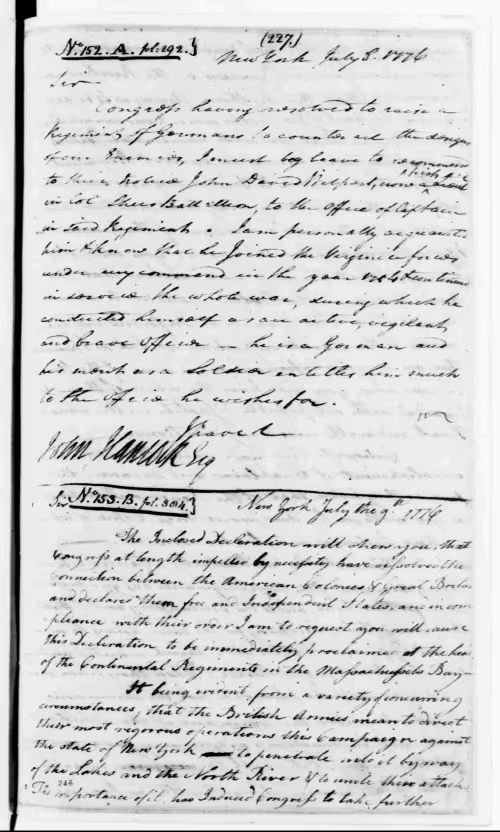
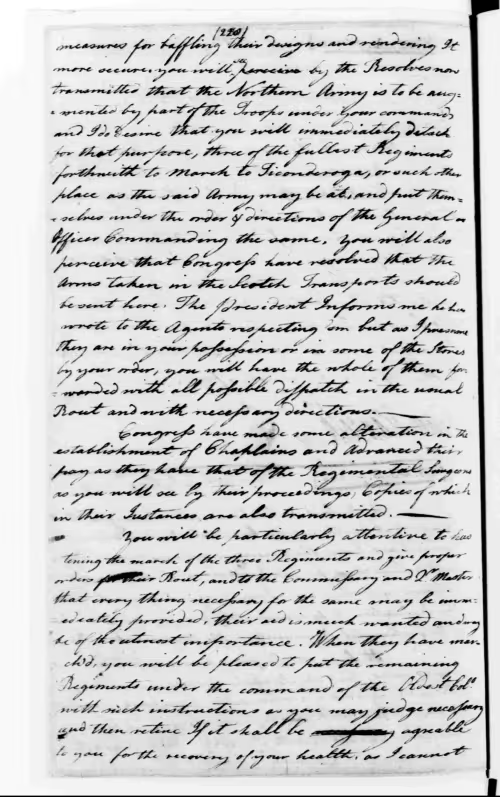
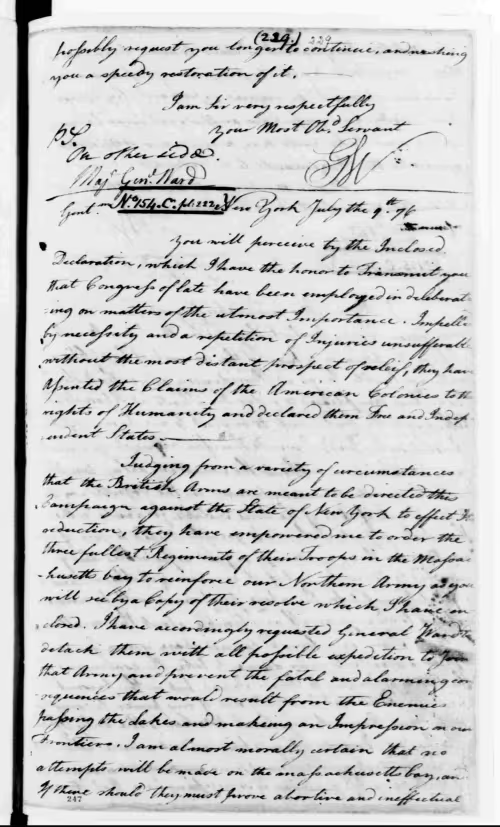
George Washington to Artemas Ward, 9 July 1776
George Washington to Artemas Ward, 9 July 1776
Washington orders Ward to proclaim the Declaration of Independence to Massachusetts troops and dispatch regiments to defend New York from British invasion.
17 July 1776
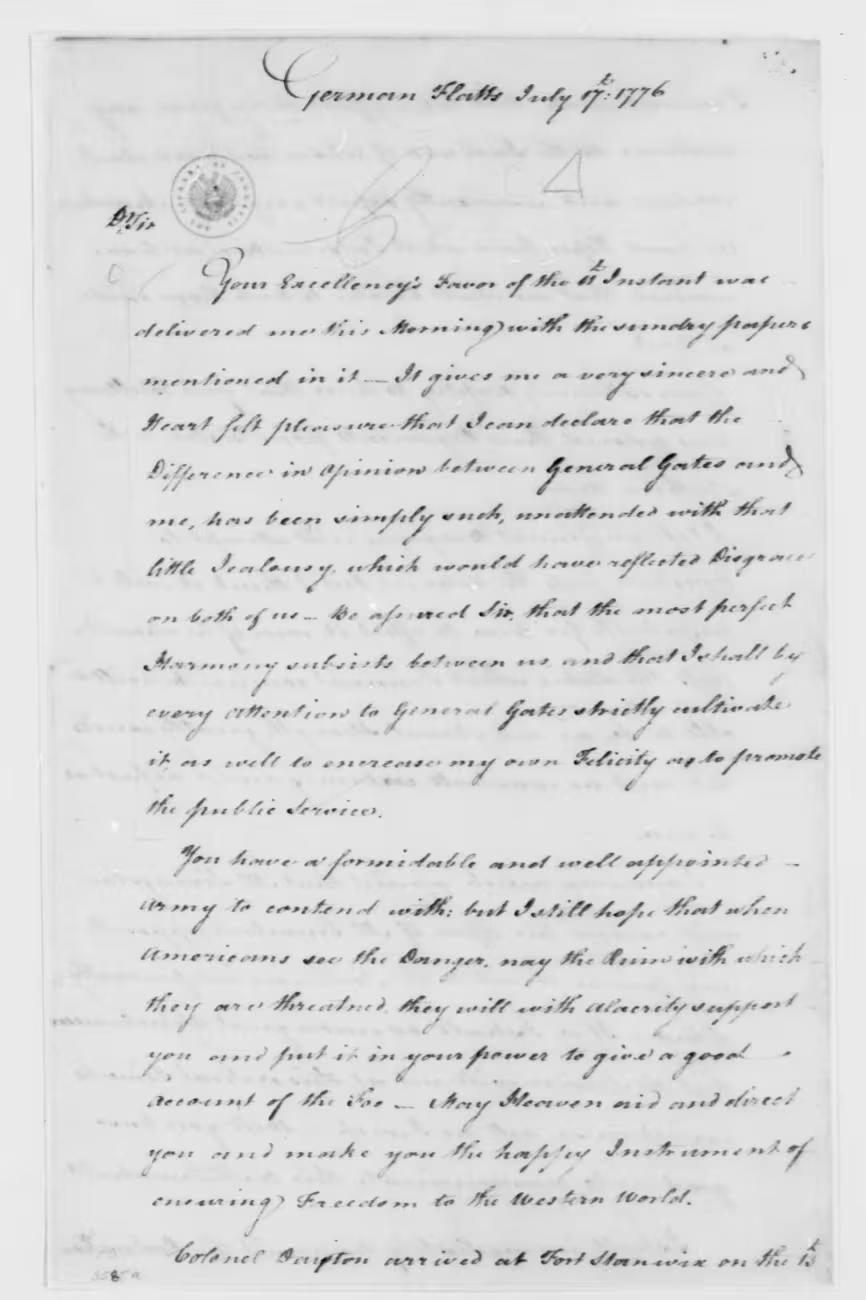
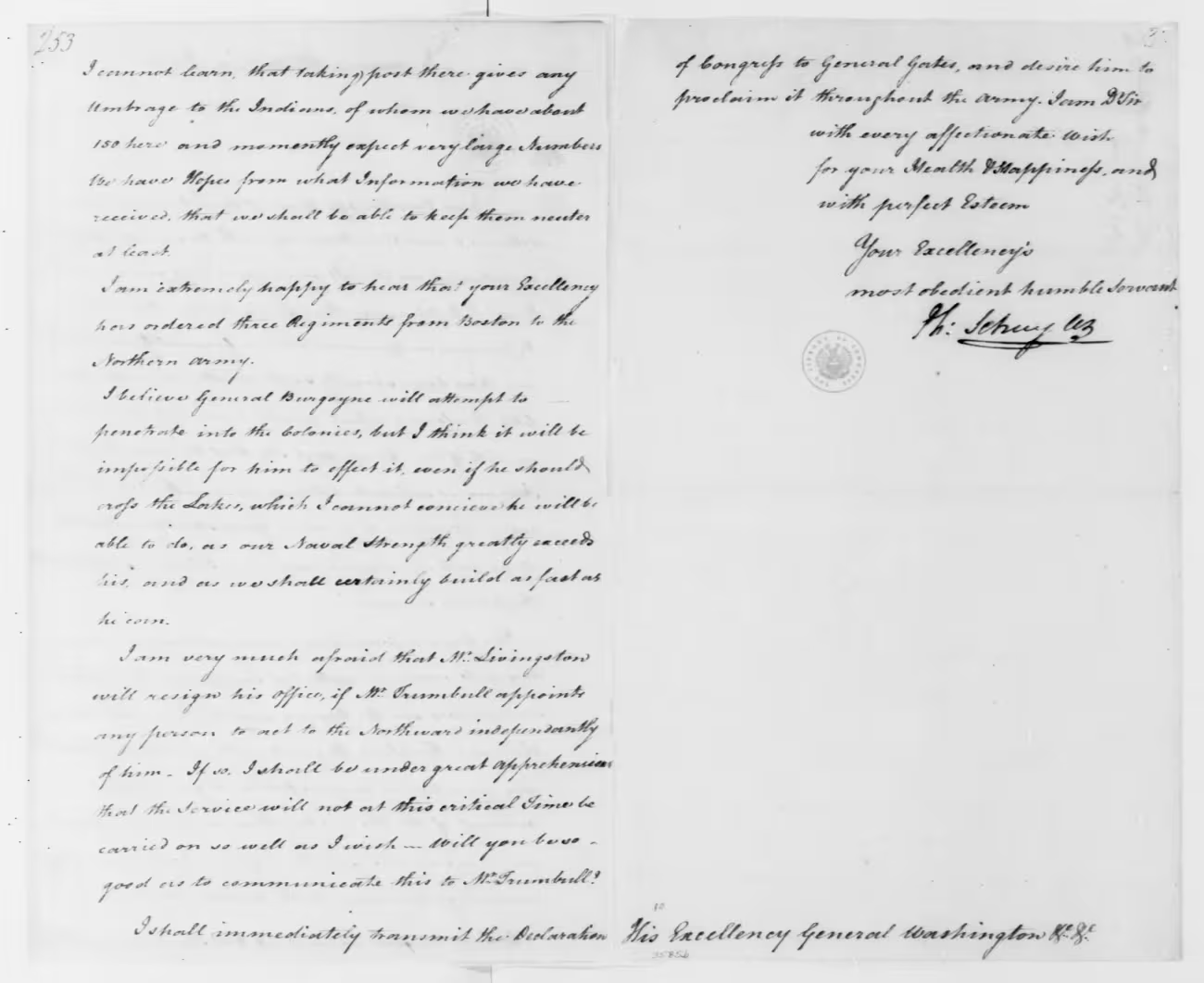
He also wrote to Philip Schuyler, who was in charge of American soldiers farther north. Schuyler promised to send the declaration to General Horatio Gates, who was at Fort Ticonderoga.
National Portrait Gallery, Smithsonian Institution; acquired as a gift to the nation through the generosity of the Donald W. Reynolds Foundation
George Washington
George Washington
Commander-in-chief of the Continental Army during the Revolutionary War who became the first U.S. president, setting key precedents for federal government.
Philip John Schuyler (1733-1804), by Jacob Hart Lazarus, after John Trumbull, c. 1886. Independence Hall National Historical Park.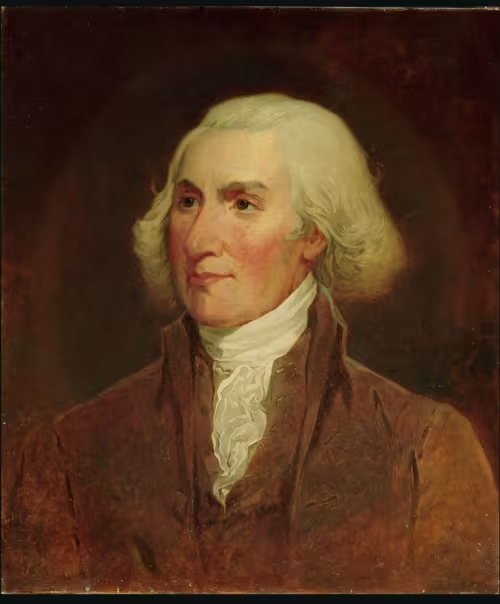
Philip Schuyler
Philip Schuyler
Major general in the Continental Army's Northern Department and New York politician who later championed Constitution ratification as a Federalist.
Metropolitan Museum of Art, Gift of Lucille S. Pfeffer, 1977. View at the Metropolitan Museum of Art.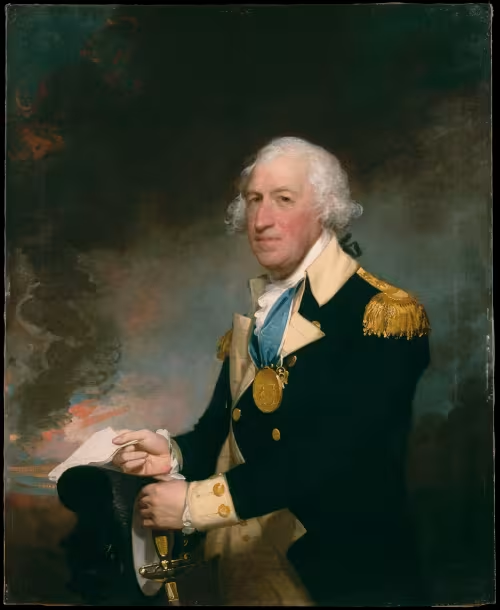
Horatio Gates
Horatio Gates
Continental Army general who won the pivotal Battle of Saratoga in 1777, challenged George Washington's leadership, and lost the battle at Camden in 1780.
Philip Schuyler to George Washington, 17 July 1776. Papers of George Washington.
Philip Schuyler to George Washington, 17 July 1776.
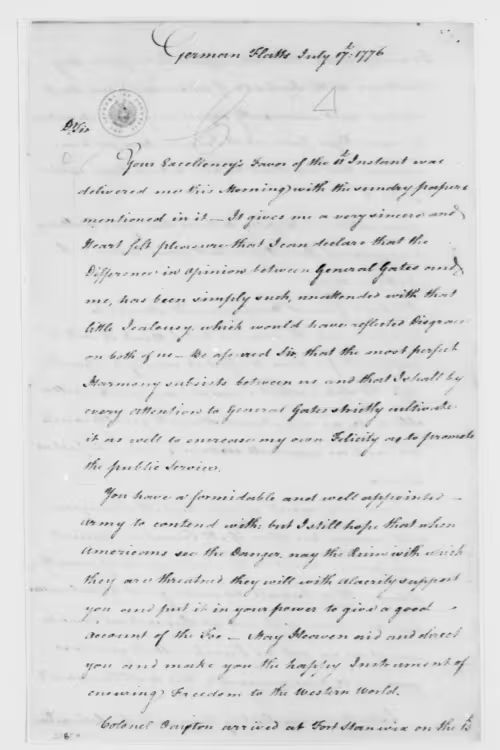
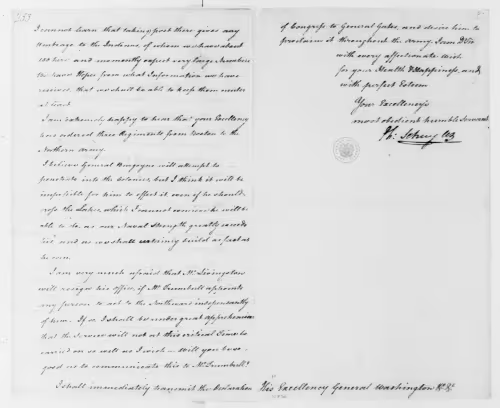
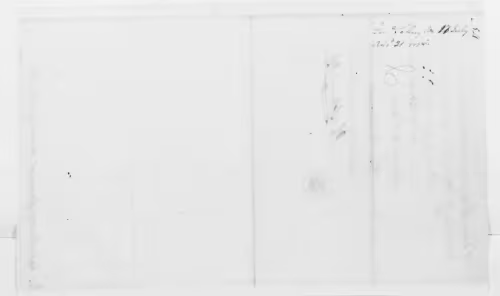
Philip Schuyler to George Washington, 17 July 1776
Philip Schuyler to George Washington, 17 July 1776
Philip Schuyler reports on military preparations in New York, Indian diplomacy, and plans to proclaim the Declaration of Independence to troops.
How Much Difference Does a Prefix Make?
Switching “unalienable” to “inalienable” was a very small change. It made almost no difference to what Jefferson wanted to say. None of the other changes in the Declaration’s second paragraph changed the meaning, either. But the edits impacted the document’s tone. These changes might have made the Declaration more powerful and memorable.
Some of the Declaration’s edits, though, shifted the meaning, even if the change was a single word. The Committee of Five and Congress made several revisions that sharpened the argument for independence. See the next page for an example.