
Sections in this exhibit
-
1
Section 1 The Declaration’s Sound: Small Changes, Big ImpactsSection 1
The founders were very concerned about how the Declaration sounded when read. Many of the early changes they made to the Declaration’s rough draft reflected that focus.
-
2
Section 2 Refining the Rhetoric: Subjects and CitizensYou are here
By changing a single word—switching “subjects” for “citizens”—the founders signaled their interest in the Enlightenment. The Declaration’s drafters also believed a focus on legal “rights” made their case for independence stronger.
-
3
Section 3 Passing Congress: The Declaration and Political CompromiseSection 3
Getting the Continental Congress to agree on the Declaration required compromise. As a result, the delegates removed two sections almost entirely. The first dealt with slavery and the second involved “love” for Britain.
-
4
Section 4 Who Is Declaring Independence?Section 4
Congress changed the Declaration’s title a few weeks after approving it. The name change stressed that the Declaration was the “unanimous” opinion of Congress. Stressing that the thirteen states were truly united behind independence helped counter Loyalist arguments. This change also helped American diplomats gather support abroad.
-
5
Section 5 The Declaration, Finished or Just Started?Section 5
Refining the Rhetoric: Subjects and Citizens
By changing a single word—switching “subjects” for “citizens”—the founders signaled their interest in the Enlightenment. The Declaration’s drafters also believed a focus on legal “rights” made their case for independence stronger.
The Founders, Citizenship, and the Enlightenment
Jefferson’s first draft of the Declaration referred to Americans as “subjects” of King George III. One of the earliest edits the Committee of Five made was to change that word to “citizens.” That switch helped make a stronger case for independence. It also showed how much the founders cared about the Enlightenment and theories of individual liberties. To that end, they also added a grievance about the rights of citizens at sea. The founders carefully considered every word they included. And nearly every word, though especially “citizens,” had a lot of meaning behind it.
Why did Jefferson include the Line?
Jefferson, in his first draft, complained that the king’s government threatened to take land away from American Patriots.
Thomas Jefferson, from life, c. 1791-1792, by Charles Willson Peale. U.S. National Park Service, Independence National Historical Park. View the NPS Multimedia Record.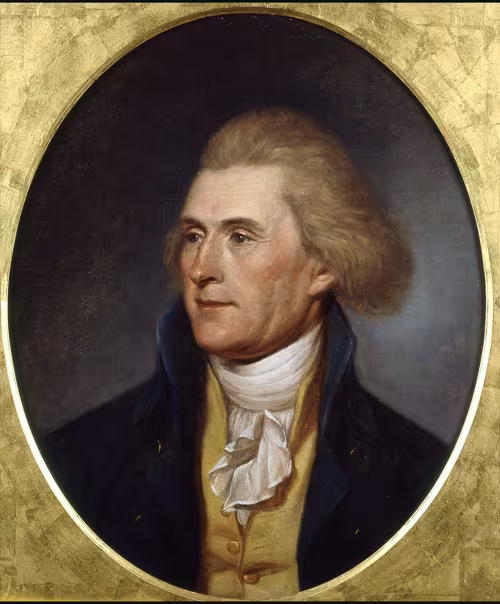
Thomas Jefferson
Thomas Jefferson
A prominent early-American politician who drafted the Declaration of Independence and served as the third U.S. president.
George III said he would give it to British soldiers and supporters.
The Cleveland Museum of Art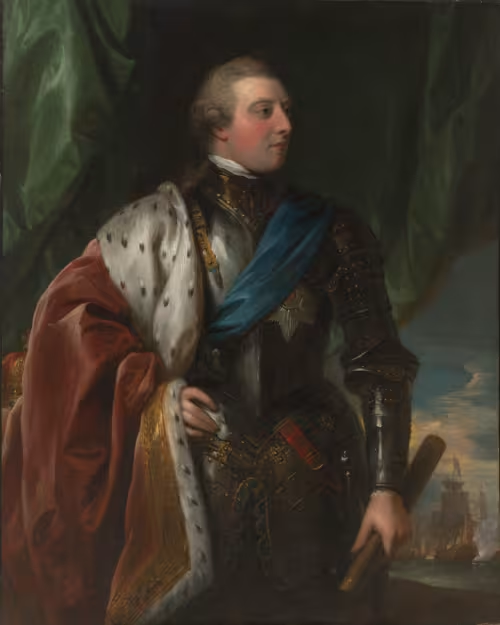
George III of Great Britain
George III of Great Britain
British monarch who reigned for six decades, overseeing Britain's loss of American colonies and the defeat of Napoleon, while battling mental illness.
In short, the king was treating Americans, who were British “subjects,” as enemies without the right to own property.
The Committee of Five Make Changes
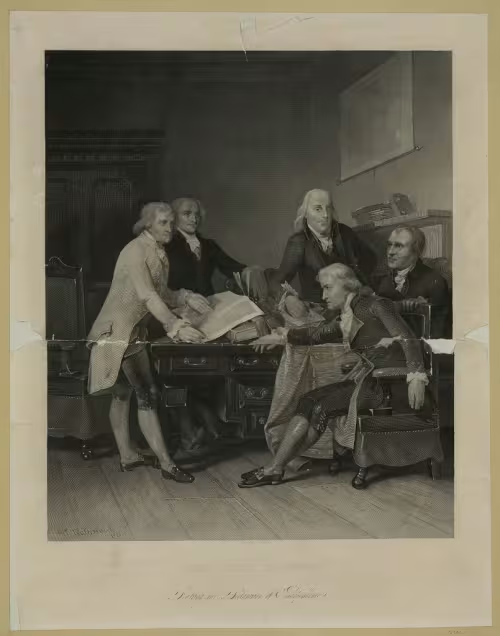
Committee of Five
Committee of Five
Drafted the Declaration of Independence. Its members were: Thomas Jefferson, John Adams, Benjamin Franklin, Roger Sherman, and Robert R. Livingston.
Before Jefferson sent the draft to Congress, the Committee of Five changed the word “subjects” to “citizens.” By doing this, the drafters made their argument about having legal rights stronger. Royal “subjects” had to obey a king no matter what, citizens did not.
Rough Draft

The Prohibitory Act declared the colonies outside royal protection and authorized the seizure of American ships. By treating Americans as enemies, it opened the door for captured sailors to be imprisoned or forced into British service, helping inspire the Declaration's complaint about citizens being compelled to fight against their own country.
Dunmore's Proclamation encouraged enslaved people owned by Patriots to join British forces. While not the direct subject of this grievance, it reinforced Patriot claims that Britain was encouraging Americans to fight one another and turning imperial conflict into a civil war.
The grievance reflected several wartime developments. The Prohibitory Act of 1775 treated Americans as enemies and authorized the seizure of colonial ships, leading to the capture of American sailors. Some prisoners were pressured or compelled into British service, forcing them to fight against their own countrymen. The complaint also reflected broader fears that British policies—including measures such as Dunmore's Proclamation and the recruitment of Loyalists—were turning an imperial dispute into a civil war among Americans.
Congress's Final Version

The Library of Congress used high resolution imagery to prove that Jefferson did indeed write “subject’ in his initial draft.
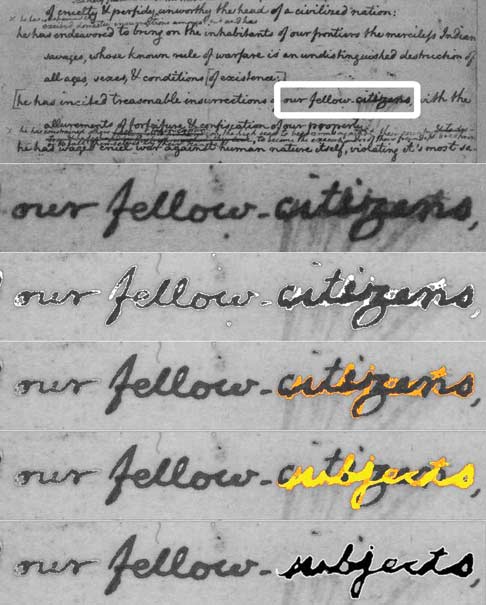
A series of images showing the word “citizens” analyzed under various wavelengths, with certain images enhanced by computer to make the underlying word “subjects” more apparent.
The change tapped into the Enlightenment. French thinker Jean-Jacques Rousseau used citizenship quite often.
He focused on the relationship between politicians and everyday people. Citizens, Rousseau claimed, had rights that political leaders needed to respect. Citizens could choose new leaders if those leaders violated their rights. A king or other leader could only make laws and rules if the people agreed to them.
National Galleries of Scotland collection. Photo, National Galleries of Scotland. Photograpy by Antonia Reeve. Purchased 1890. View at the National Galleries of Scotland.
Jean-Jacques Rousseau
Jean-Jacques Rousseau
Philosopher whose works The Social Contract and Émile shaped Enlightenment thought and influenced American and French revolutionary movements.
Subject vs. Citizen: Rousseau, The Social Contract
Citizenship was a central concept in Enlightenment philosophy. It is very likely that French thinker Jean-Jacques Rousseau influenced the Declaration.
Rousseau was interested in individual rights and government power (or “sovereignty”). He believed that government is an agreement (or “compact”) between the people and their politicians. The people have to give up some of their freedom to do whatever they want. Political leaders have to promise to treat all of their followers fairly and equally.
To become “citizens,” individuals have to promise to follow the law. In return, governments have to make laws that their citizens respect.
Rousseau, The Social Contract.
This quote highlights what the American founders found useful in Rousseau’s work.
The colonists had accepted King George as their sovereign, but King George had acted unfairly toward them. As citizens, not subjects, the Americans had a right to seek a new form of government.
Most in the Continental Congress saw themselves as citizens whose rights had been violated. Because of George III’s crimes, independence was justified. They were no longer British subjects.
Relatedly, the Committee also included a grievance about impressment.
Impressment and the Revolution
The practice of capturing sailors was known as impressment. The British had often picked up Americans at sea or in port cities and forced them into the Royal Navy.
Impressment was another example of how George III treated Americans like subjects, not citizens. A king, they argued, should not have the right to force Americans into British navy service.
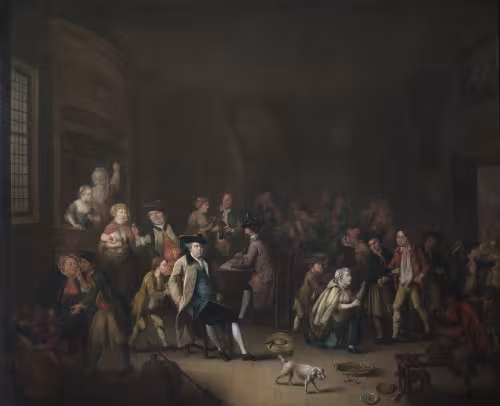
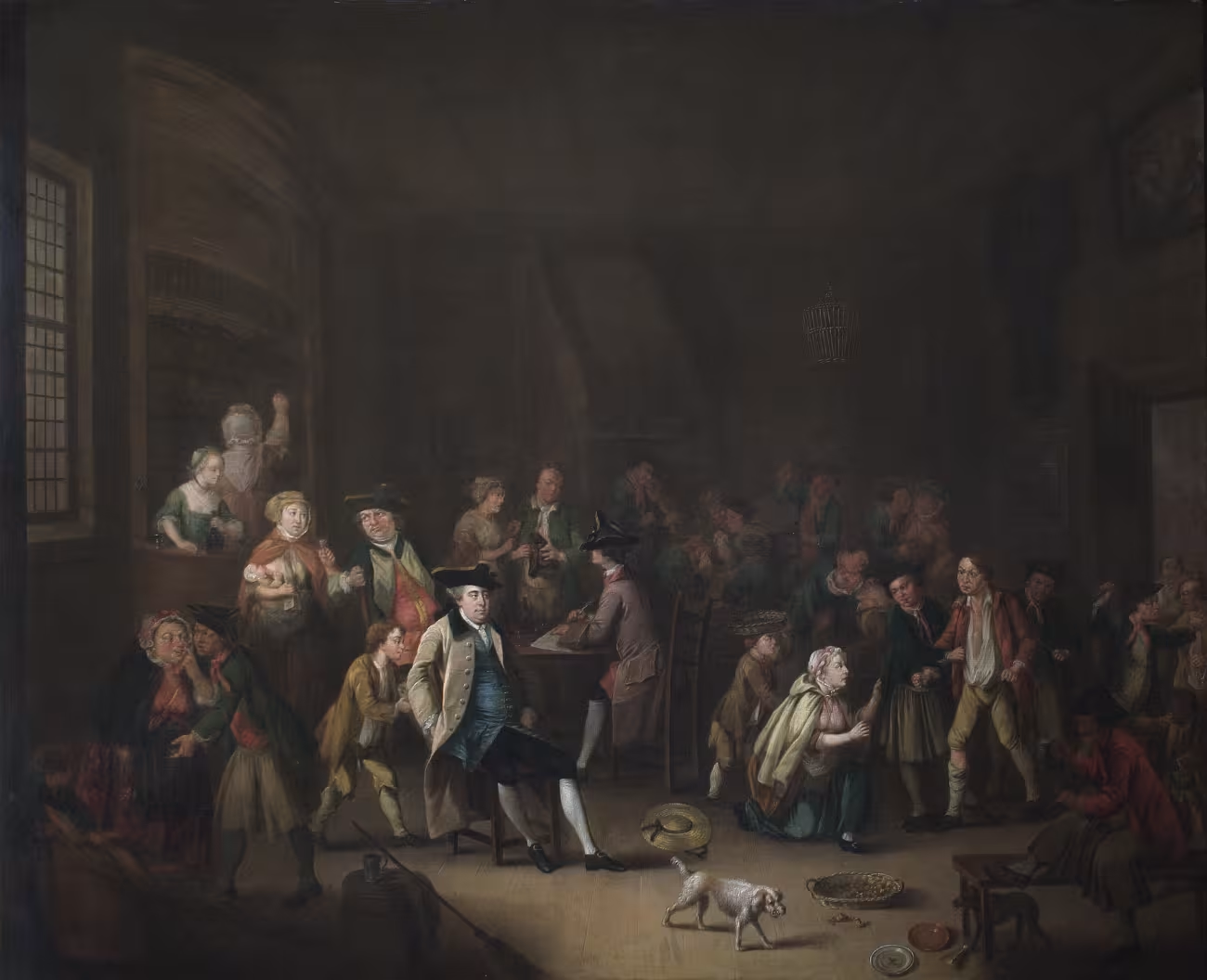
The Press Gang, by John Collett (circa 1760)
The Press Gang, by John Collett (circa 1760)
This image depicts military impressment at a tavern, showing officers recruiting men while some attempt to bribe or plead their way out of service.
British Navy
British Navy
The British Navy, commonly known as the Royal Navy, is the UK's oldest armed force. Powerful for 200+ years, it shaped colonization, trade, and exploration.
Massachusetts Spy, Thursday, 16 February 1775.
Massachusetts Spy, Thursday, 16 February 1775.
Before the American Revolution, the British Royal Navy had captured and impressed many colonial sailors. This created enough of a controversy that Congress included a mention of it in the Declaration of Independence.

Jefferson did not originally include this complaint about sailors in his draft. It appears that he scribbled it later in the writing process.
It is possible that someone else from the Committee of Five suggested this line. Both John Adams and Robert R. Livingston came from states with many sailors. Perhaps one of them wanted it mentioned.
Collections of the Massachusetts Historical Society. View in the MHS Online Collections.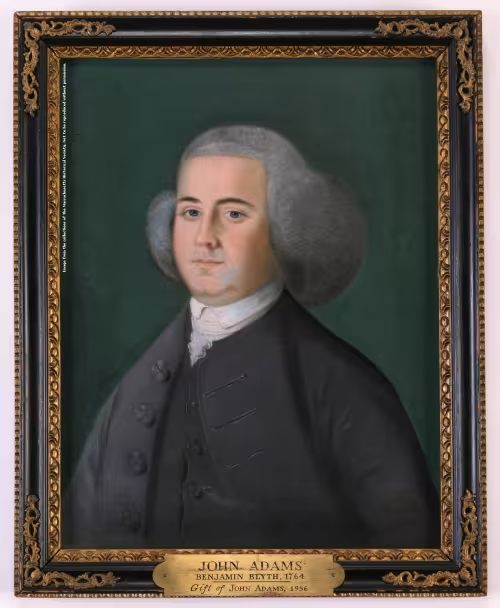
John Adams
John Adams
Lawyer who defended British soldiers after the Boston Massacre, championed independence in Congress, and served as the second U.S. president.
Massachusetts
Massachusetts
Led American Revolution-era resistance with early protests against British authority in Boston, shaping independence and subsequent national development.
Collection of the New York Historical Society, Gift of Goodhue Livingston Jr. View in the NYHS Collections.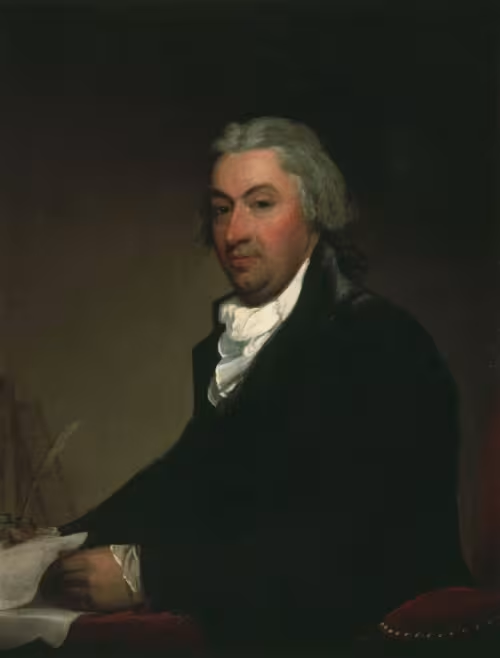
Robert R. Livingston
Robert R. Livingston
Co-drafted the Declaration of Independence, worked on the first New York State constitution, and negotiated the Louisiana Purchase as minister to France.
New York
New York
A key American Revolution battleground with deep Patriot-Loyalist divisions. Its waterways, cities, and frontiers underpinned its later economic growth.
It could, however, have been any of the Committee who made the change.
The Committee Submits a Draft to Congress

Congress Makes Changes
Congress got rid of a portion of Jefferson’s original sentence, keeping “fellow citizens,” but deleting the part about property. “Fellow citizens” now led into the complaint about the British taking American sailors captive.
No one knows for sure why they took out the original line. It is possible that the other grievances already listed covered this concern about property rights. It is also possible that this point was not specific enough. The delegates might also have thought the document read better without it.
The Cause of Independence
The change from subjects to citizens is an example of how many Americans felt in 1776. People like Jefferson, Adams, and Franklin no longer thought of themselves as loyal to a king. Instead, they were citizens whom the crown had treated unfairly. Because of that, they had no choice but to declare independence.
Tightening the Argument, Nodding Toward Enlightenment
The Declaration’s drafters were very focused on the Declaration’s overall argument. Every piece of the document had to make the case for American independence. Changing subjects to citizens made their case stronger without even adding to the document’s length. The section on impressment showed yet another example of the King going too far and dismissing Enlightenment notions of citizenship.
Occasionally, though, Congress cut parts of the Declaration not because of argument, but out of compromise. Every delegate in Congress had to agree on what the Declaration said.