
Sections in this exhibit
-
1
Section 1 The Declaration’s Sound: Small Changes, Big ImpactsSection 1
The founders were very concerned about how the Declaration sounded when read. Many of the early changes they made to the Declaration’s rough draft reflected that focus.
-
2
Section 2 Refining the Rhetoric: Subjects and CitizensSection 2
By changing a single word—switching “subjects” for “citizens”—the founders signaled their interest in the Enlightenment. The Declaration’s drafters also believed a focus on legal “rights” made their case for independence stronger.
-
3
Section 3 Passing Congress: The Declaration and Political CompromiseSection 3
Getting the Continental Congress to agree on the Declaration required compromise. As a result, the delegates removed two sections almost entirely. The first dealt with slavery and the second involved “love” for Britain.
-
4
Section 4 Who Is Declaring Independence?You are here
Congress changed the Declaration’s title a few weeks after approving it. The name change stressed that the Declaration was the “unanimous” opinion of Congress. Stressing that the thirteen states were truly united behind independence helped counter Loyalist arguments. This change also helped American diplomats gather support abroad.
-
5
Section 5 The Declaration, Finished or Just Started?Section 5
Who Is Declaring Independence?
Congress changed the Declaration’s title a few weeks after approving it. The name change stressed that the Declaration was the “unanimous” opinion of Congress. Stressing that the thirteen states were truly united behind independence helped counter Loyalist arguments. This change also helped American diplomats gather support abroad.
The States, United
As its last revision, Congress changed the Declaration's title. Originally, Jefferson had emphasized Congress as the author of the document. By mid-July, the emphasis was instead on the “thirteen united States of America.”
The change helped unite the different colonies together. Declaring independence was a political project. The Declaration needed to project confidence and prove to Americans that the Continental Congress had authority. The new title helped do just that. The thirteen “united States” spoke with one voice, had principles, and were prepared to defend them.
Why the Title Change Matters
Every part of the Declaration was argued over and looked at very closely. This included the title. The delegates took the emphasis off “Congress.” They made the Declaration a statement for the new country they were creating: the “united States of America.” By adding “unanimous,” the delegates made sure that readers sensed no hesitation in the Declaration.
Technically, the Declaration was not unanimous until 9 July. At first, the New York Provincial Congress had not given its delegates permission to vote on the Declaration. Many New Yorkers supported independence. Others were sympathetic but hoped for reconciliation with Britain. Some were Loyalists.
On 9 July, the New York Provincial Congress approved the Declaration. With that change, all thirteen colonies were in agreement. The title change reflected that new reality.
Draft Title

Final Title

By adding “unanimous,” the delegates made sure that readers sensed no hesitation in the Declaration.
Why Was It Important to Be “Unanimous”?
Americans across the thirteen states were going to be reading the Declaration. Congress needed the American people to make sacrifices for the war effort. Any hesitation from the delegates could make citizens less likely to join the cause. Congress also wanted to prevent colonists from supporting loyalists.
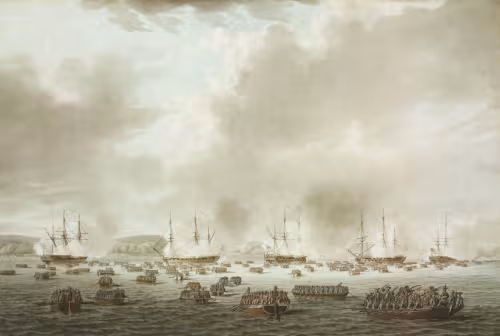
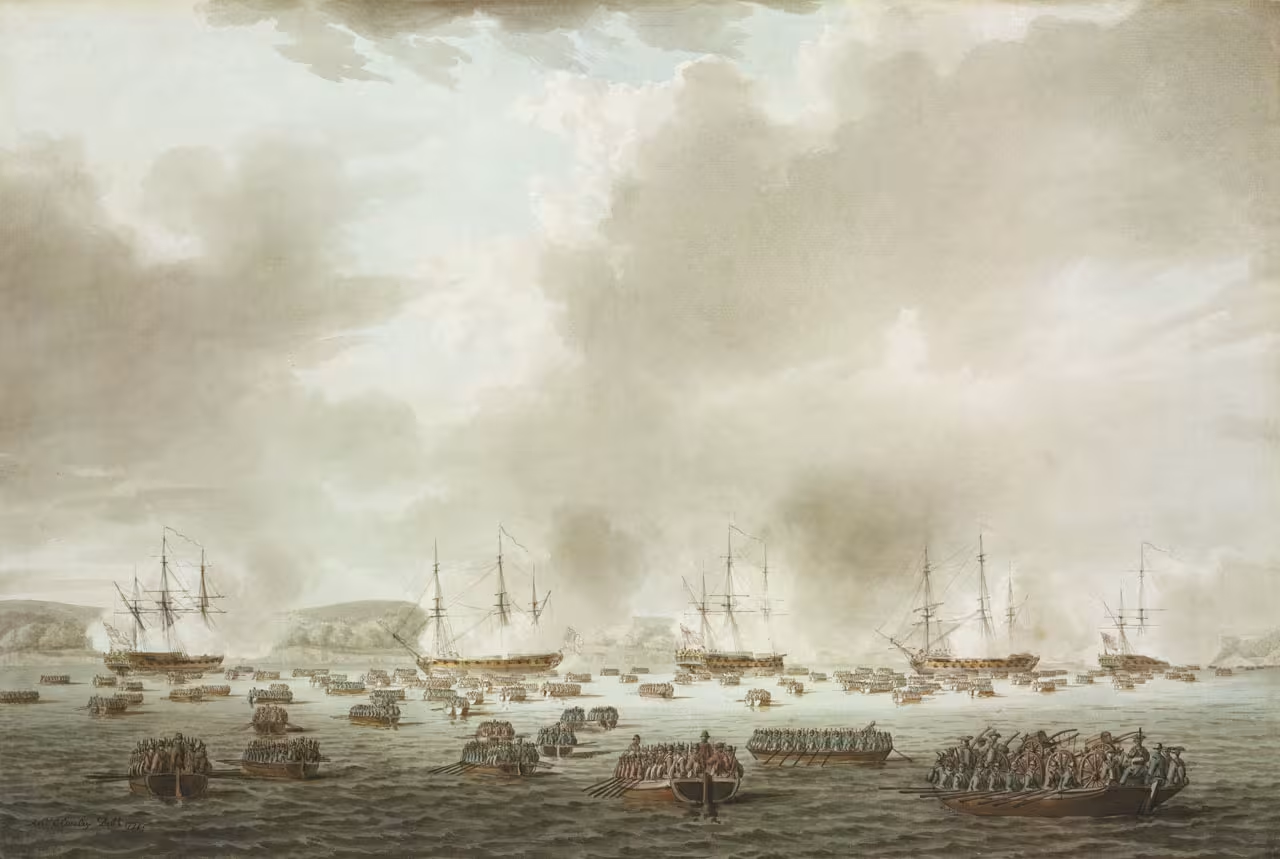
The British landing at Kip's Bay, New York Island, 15 September 1776, by Robert Cleveley (1777)
The British landing at Kip's Bay, New York Island, 15 September 1776, by Robert Cleveley (1777)
This drawing depicts the British bombardment and amphibious invasion of Patriot positions at Kipps Bay, New York, leading to the city's capture.
Many Americans still supported the crown. This was especially true in New York City, where many Loyalists fled to after the British captured Manhattan and Long Island.
The British had a large army and their navy was feared all over the world. It was very possible that Great Britain could win the war.
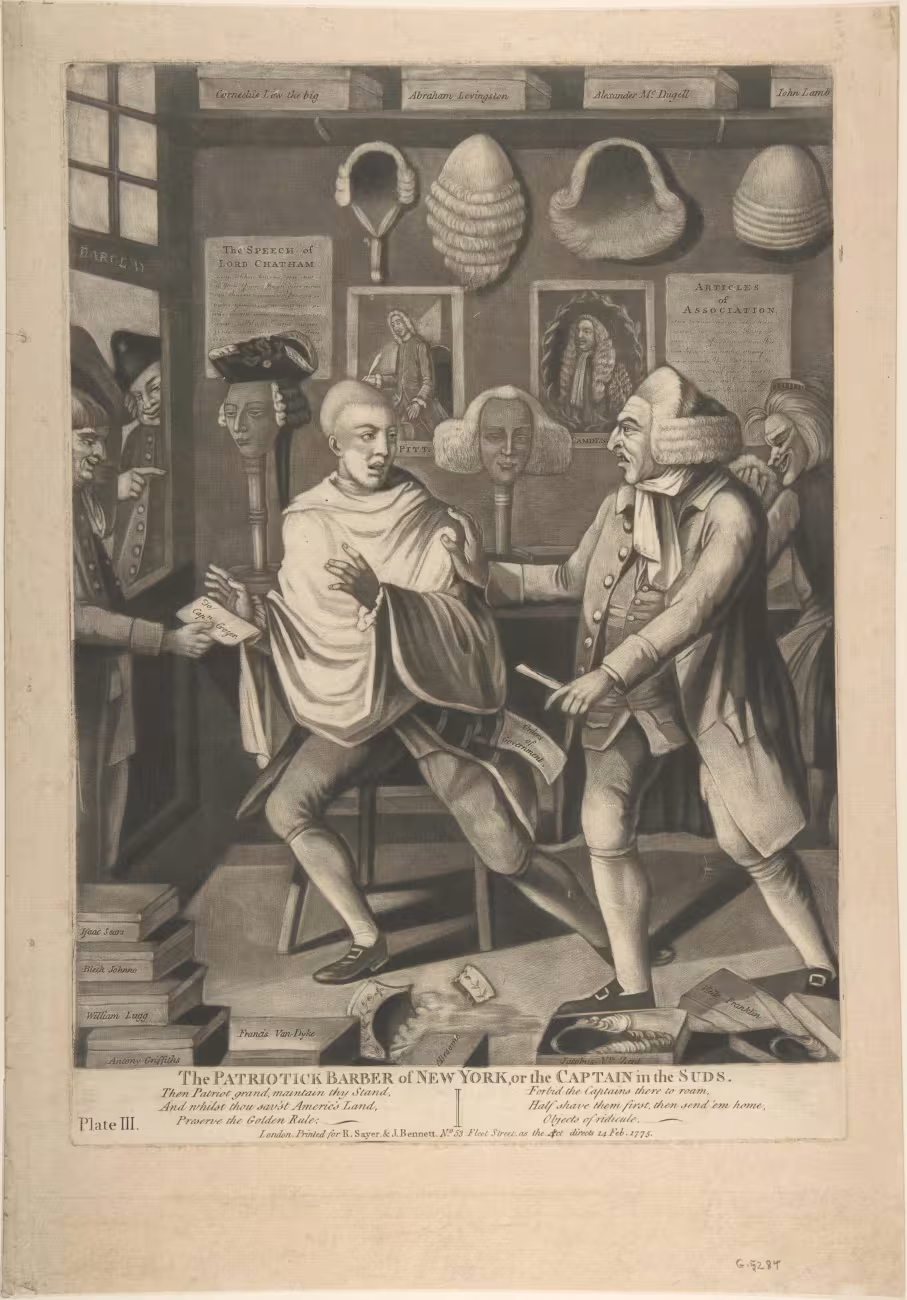
Many Americans could also have legitimate grievances against the Patriots. In several communities, Patriots harassed individuals who didn’t support the cause. Many outspoken Loyalists found themselves in prison or chased out of their homes.
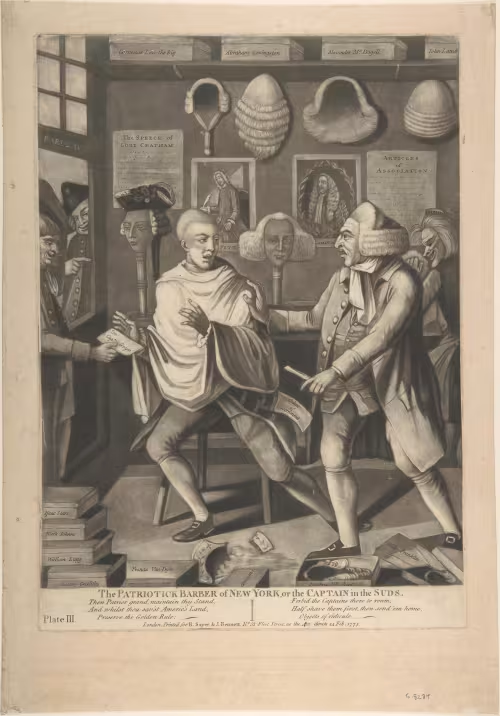
The Patriotick Barber of New York or the Captain in the Suds, by Philip Dawe (1775)
The Patriotick Barber of New York or the Captain in the Suds, by Philip Dawe (1775)
A 1775 London satirical print shows Patriot barber Jacob Vredenburgh chasing British officer John Crozer from his shop half-shaved.
Not long after Congress finished the Declaration of Independence, several hundred New York Loyalists drafted a “Declaration of Dependence.” The Loyalists who signed this document, who included many of the city’s political, religious, and business leaders, insisted that King George III was their legal and “constitutional” ruler. They also accused the Patriots of oppressing and mistreating them (leading a “strong tide of oppression and tyranny”). They also claimed to speak for the many Loyalists imprisoned or on the run.
They addressed the Declaration to Richard Howe and William Howe, British military leaders in North America.
Royal Greenwich Museums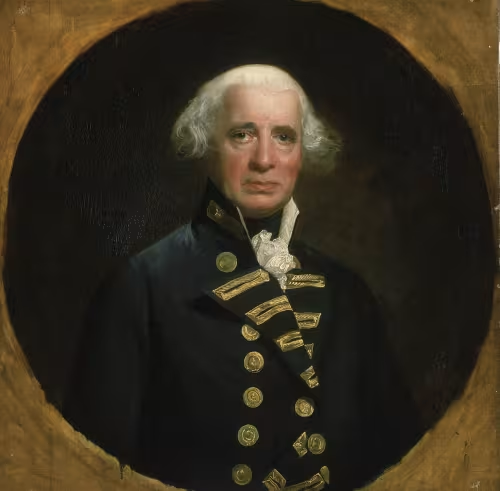
Richard Howe, 1st Earl Howe
Richard Howe, 1st Earl Howe
Royal Navy admiral during the Revolutionary War, balanced conciliation with aggressive warfare until the French undermined his blockade in 1778.
Brown University Library, Brown Digital Repository, Prints, Drawings and Watercolors from the Anne S.K. Brown Military Collection. View in the Brown Digital Repository.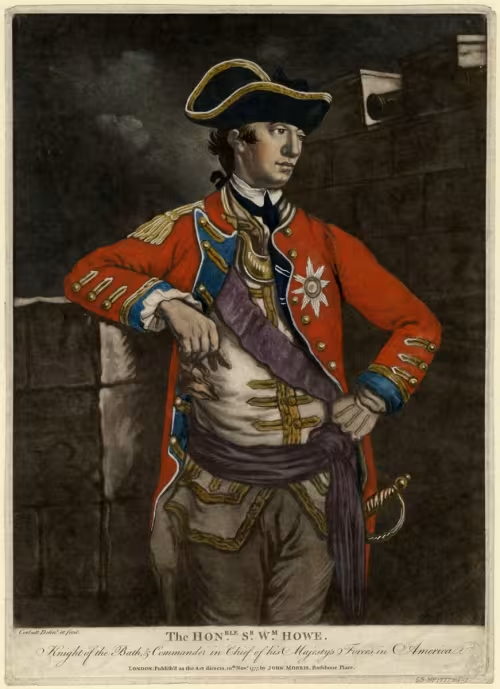
William Howe, 5th Viscount Howe
William Howe, 5th Viscount Howe
Commander-in-chief of British land forces during the Revolutionary War who captured New York City and Philadelphia but failed to end the rebellion.
Declaration of Dependence, 1776. The New York Historical.
Declaration of Dependence, 1776.
The Continental Congress needed to compete with these arguments. The delegates had to remind everyone why they were declaring independence and why there was no other option.
The Declaration and Foreign Affairs
The Continental Congress also intended for foreign governments to read the Declaration.
Benjamin Franklin, in particular, believed this to be true. He had been on the Committee of Secret Correspondence, a Congressional committee tasked with getting support from European countries. Members of the Committee at this time included Franklin, Benjamin Harrison, Robert Morris, Richard Henry Lee, William Hooper, and John Witherspoon.
Second Continental Congress
Second Continental Congress
Led the U.S. government prior to the Articles of Confederation, created the Continental Army, and issued the Declaration of Independence.
Committee of Secret Correspondence
Committee of Secret Correspondence
Continental Congress committee that gathered intelligence on British plans and established diplomatic ties with European nations, including France.
After Congress approved the Declaration, Morris and Franklin quickly wrote Silas Deane.
National Portrait Gallery, Smithsonian Institution.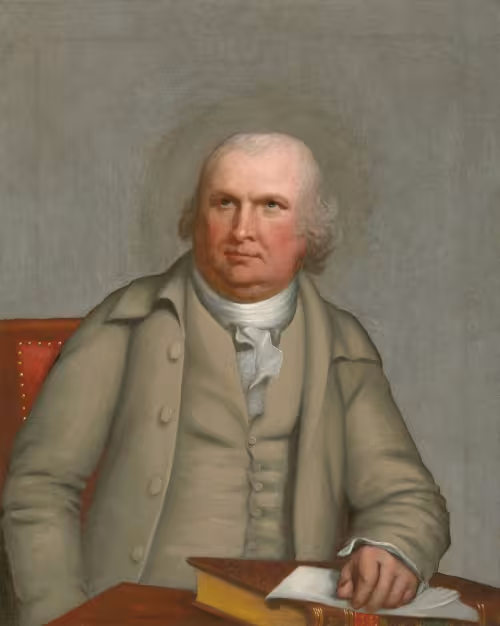
Robert Morris
Robert Morris
Signed the Declaration of Independence and served as superintendent of finances for the Continental Army.
From the New York Public Library. View in the NYPL Digital Collections.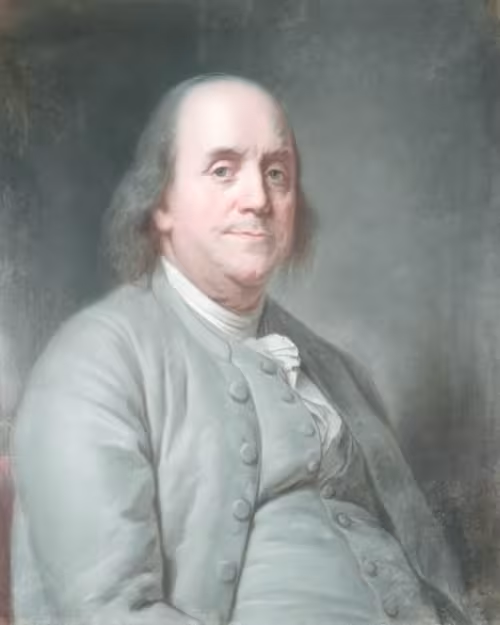
Benjamin Franklin
Benjamin Franklin
Helped draft the Declaration of Independence and worked to secure the crucial Franco-American alliance that changed the course of the Revolution.
Courtesy the Collection of the Webb Deane Stevens Museum.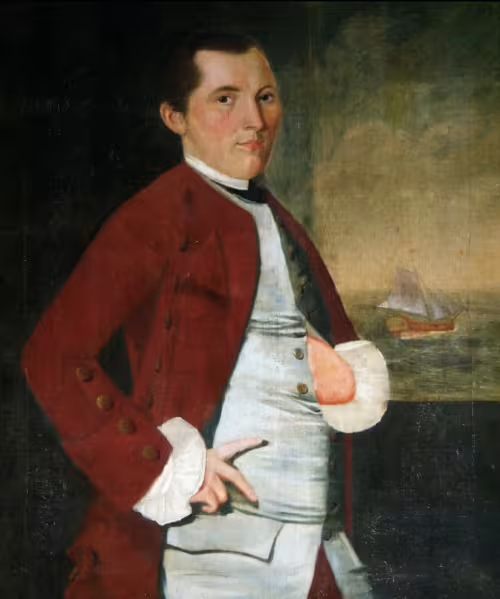
Silas Deane
Silas Deane
First U.S. envoy to France who secured a critical French alliance and recruited Lafayette and von Steuben, but faced ruin over financial scandals.
A former delegate to Congress, Deane had traveled to France earlier in 1776. His job there was to secretly convince the French to send the United States money and weapons.
8 July 1776
Franklin and Morris instructed Deane to distribute copies of the Declaration to representatives of the French government. He also asked him to have the Declaration translated into French and have it printed in newspapers. The Committee of Secret Correspondence hoped the Declaration would convince the French that the United States was serious about independence and could be treated as a proper country.
The Committee of Secret Correspondence to [Silas Deane], 8 July 1776. Franklin Papers.
The Committee of Secret Correspondence to [Silas Deane], 8 July 1776.
7 August 1776
The Committee of Secret Correspondence once again mentioned the Declaration writing to Deane a month later. Franklin, Morris, and Harrison told him that the Declaration helped convince the public to support the new country.
Committee of Secret Correspondence to Silas Deane, 7 August 1776.
Committee of Secret Correspondence to Silas Deane, 7 August 1776.
21[–23] December 1776
The Committee mentioned the Declaration one final time in 1776. Writing in December, 1776, a few months after Franklin had himself left for Paris, the Committee offered additional instructions for American diplomats in France. Because of the Declaration, the Committee members wrote, American representatives in Europe could make no treaty that did not acknowledge independence.
The Committee of Secret Correspondence to the American Commissioners, 21[–23] December 1776.
The Committee of Secret Correspondence to the American Commissioners, 21[–23] December 1776.
The Declaration as Political Tool
With the title settled, the Declaration continued to spread across North America and Europe. Declaring that independence was “unanimous” helped the United States claim authority. Patriots across the thirteen states used the document as a touchstone, a brief message highlighting their beliefs. The document was effective enough that even Loyalists borrowed its formula. Americans abroad could use the Declaration to negotiate foreign governments for aid.
Every edit to the Declaration was carefully made. By the end of July, Congress had a document that served its purposes.
Congressional Resolution, 19 July 1776
Two weeks after finishing and first printing the Declaration, Congress ordered an enlarged copy for the Delegates to sign. This became the official copy.
Journals of the Continental Congress.