Primary Source
Object/Genre Type
Letter

John Hancock to George Washington, 6 July 1776

Summary

John Hancock transmits the Declaration of Independence to George Washington, requesting it be proclaimed to the Army.

Content sections

Audio file
About the background audio

Sounds of quill scratching and a private study in colonial Philadelphia with light city noises of people talking and walking by fading in and out.
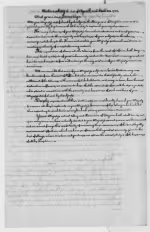
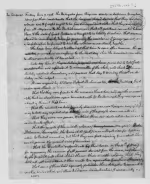
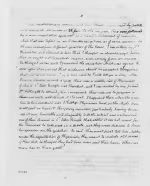
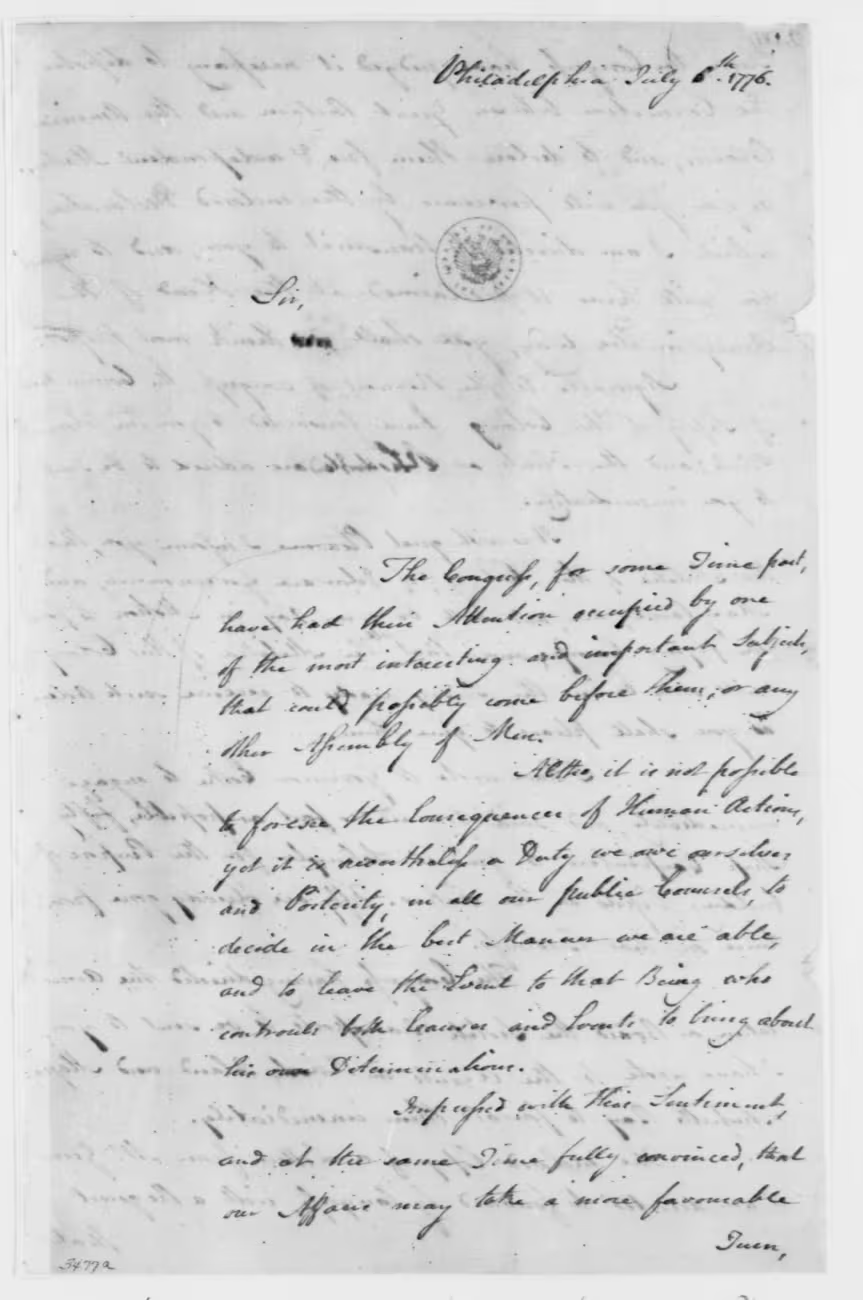
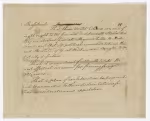
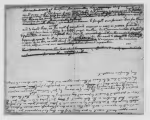
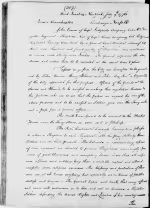
Philadelphia July 6th 1776.

Sir,

The Congress, for some Time past, have had their Attention occupied by one of the most interesting and important Subjects, that could possibly come before them, or any other Assembly of Men.

Altho it is not possible to foresee the Consequences of Human Actions, yet it is nevertheless a Duty we owe ourselves and Posterity, in all our public Counsels, to decide in the best Manner we are able, and to leave the Event to that Being who controuls both Causes and Events to bring about his own Determinations.

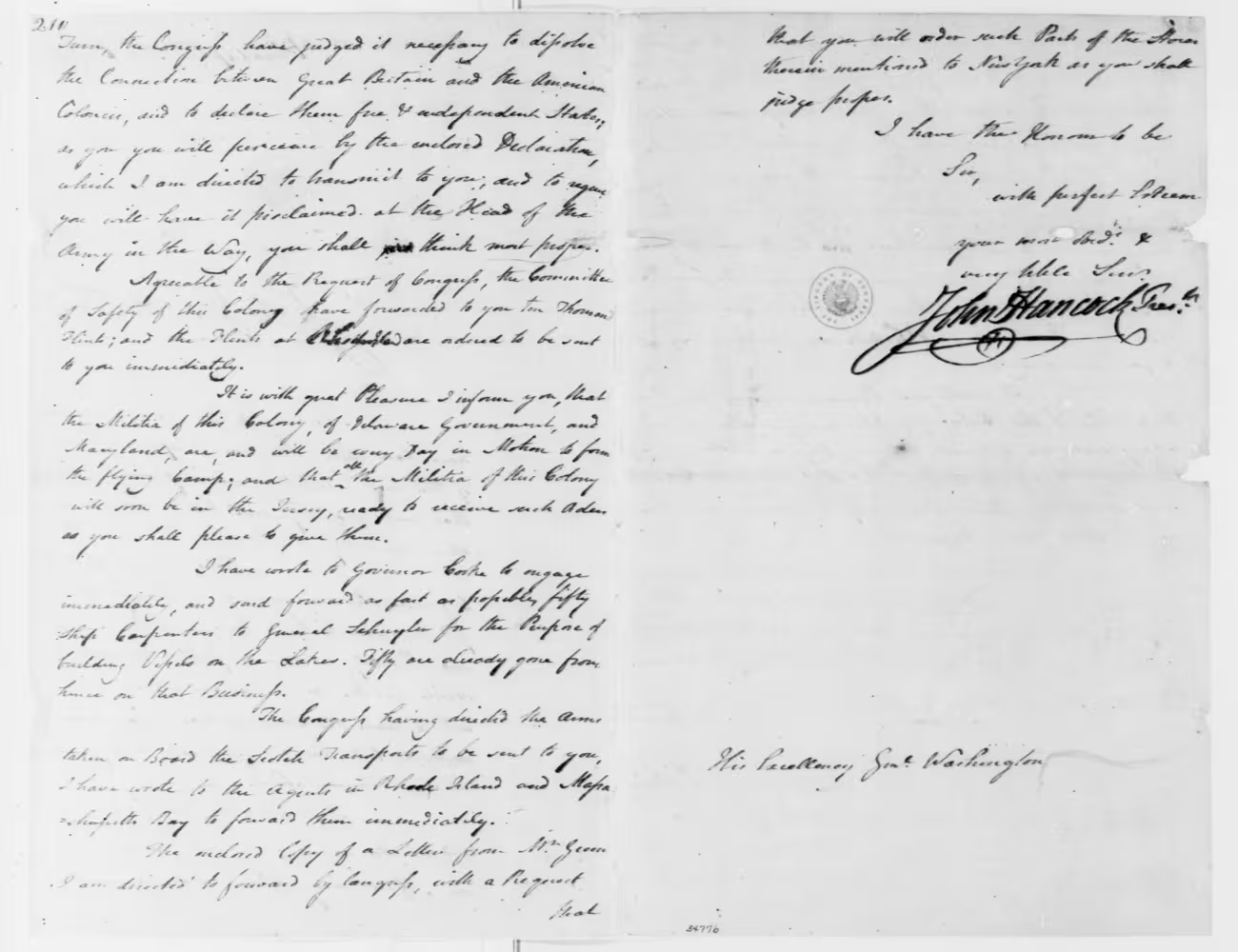
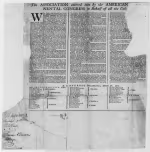
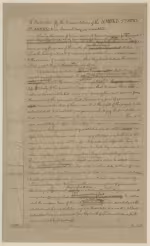
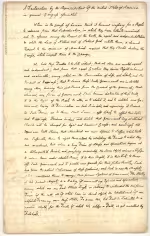
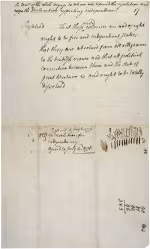
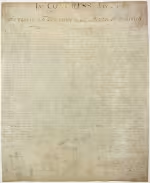
Impressed with this Sentiment, and at the same Time fully convinced, that our Affairs may take a more favourable Turn, the Congress have judged it necessary to dissolve the Connection between Great Britain and the American Colonies, and to declare them free & independent States; as you will perceive by the enclosed Declaration, which I am directed to transmit to you, and to request you will have it proclaimed at the Head of the Army in the Way, you shall think most proper.

Agreeable to the Request of Congress, the Committee of Safety of this Colony have forwarded to you ten Thousand Flints; and the Flints at Rhode Island are ordered to be sent to you immediately.

It is with great Pleasure I inform you, that the Militia of this Colony, of Delaware Government, and Maryland, are, and will be every Day in Motion to form the flying Camp; and that all the Militia of this Colony will soon be in the Jersey, ready to receive such Orders as you shall please to give them.

I have wrote to Governor Cooke to engage immediately, and send forward as fast as possible, fifty ship Carpenters to General Schuyler for the Purpose of building Vessels on the Lakes. Fifty are already gone from hence on that Business.

The Congress having directed the Arms taken on Board the Scotch Transports to be sent to you, I have wrote to the Agents in Rhode Island and Massachussetts Bay to forward them immediately.

The enclosed Copy of a Letter from Mr Green I am directed to forward by Congress, with a Request that you will order such Parts of the Stores therein mentioned to New York as you shall judge proper. I have the Honour to be Sir, with perfect Esteem your most obedt & very hble Servt

John Hancock Prest

Repository

Library of Congress

Source Note

This manuscript is in the George Washington Papers at the Library of Congress. View the original manuscript.

Image Credit

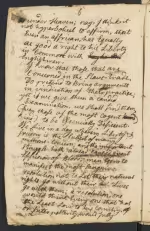
George Washington Papers, Library of Congress. Library of Congress record.
George Washington Papers, Library of Congress. Library of Congress record.
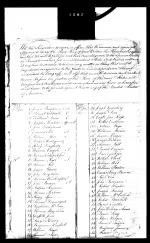
George Washington Papers, Library of Congress. Library of Congress record.
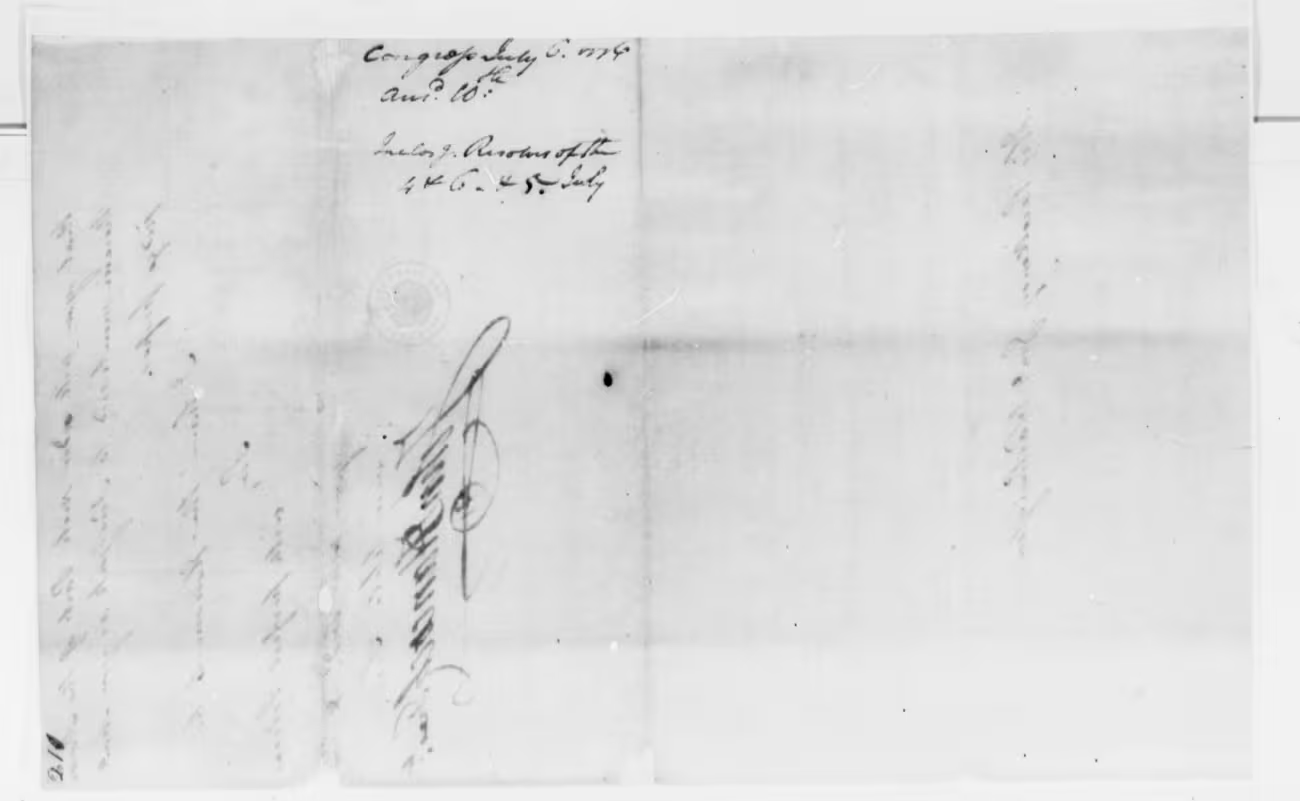
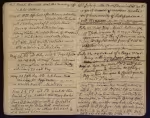
George Washington Papers, Library of Congress. Library of Congress record.

Authors

1
John Hancock

Wealthy merchant who served as president of the Continental Congress during the vote for independence and later as governor of Massachusetts.

Recipients

1
George Washington

Commander-in-chief of the Continental Army during the Revolutionary War who became the first U.S. president, setting key precedents for federal government.

Place Written

1
May 1765

910

April 1772

451

October 1774

911

823

February 1775
575

November 1775

175

January 1776

108

June 1776

436

892
588
374
587

July 1776
893
55
146
61

November 1776
454

May 1777

171

June 1777

699

July 1777

181

November 1777

809

January 1779
182

June 1779

152

November 1779

104

April 1781

614

September 1787

814

June 1796

177

December 1818

580

Related Resources

This primary source is not currently connected to any resources. Check back soon.

Related Exhibits

  • Cursive signatures

    Editing Independence explores documentary editing through Declaration signers, featuring events, exhibits, and key historical figures and places.