
Challenging the Men: Abigail Adams
Produced by ClickView for forgingUS, a project of the Center for Digital Editing at the University of Virginia. © 2026 The Rector and Visitors of the University of Virginia. All rights reserved.
This film highlights the influential role of Abigail Adams during the era of the American Revolutionary War. Born in 1744 in Massachusetts, Abigail Smith was denied formal education due to her gender but became highly self-educated through independent study. After marrying John Adams in 1764, she became his trusted advisor as he rose to prominence in revolutionary politics and served in the Continental Congress. Through detailed and thoughtful correspondence, Abigail provided political insight on governance, leadership, and the dangers of unchecked power. In 1776, as John Adams worked on the United States Declaration of Independence, Abigail famously urged him to “Remember the Ladies,” advocating for women’s rights and legal protections. Although her calls for equality were not realized at the time, her letters challenged the limits of revolutionary ideals and ensured that questions of women’s rights were part of the nation’s founding discourse.
Want to know more?
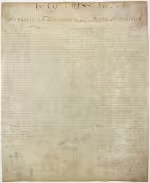
This foundational document declares American independence from Britain and outlines the grievances that led to this break.
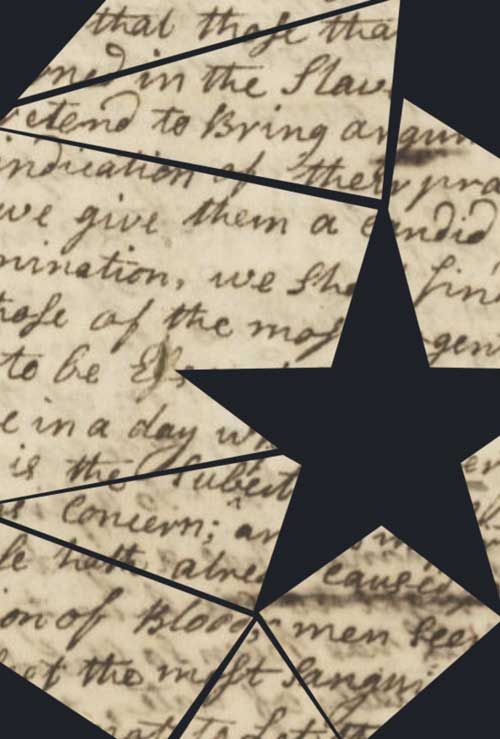
Abigail Adams responds to John Adams's letters announcing the Declaration of Independence, reflecting on his role in its composition.
People
Writer and political observer whose correspondence with John Adams provides a rich record of the Revolutionary era and early American republic.
Lawyer who defended British soldiers after the Boston Massacre, championed independence in Congress, and served as the second U.S. president.