
The Declaration of Independence: From Diplomacy to Defiance
Produced by ClickView for forgingUS, a project of the Center for Digital Editing at the University of Virginia. © 2026 The Rector and Visitors of the University of Virginia. All rights reserved.
This film explores the dramatic shift from diplomacy to open rebellion during the early years of the American Revolutionary War. In 1775, the Continental Congress made a final attempt at peace through the Olive Branch Petition, largely written by John Dickinson. Addressed to King George III, the petition expressed loyalty to the Crown and requested protection of colonial rights while blaming the conflict on misunderstandings. Approved on July 5, 1775, it sought both reconciliation and sympathy for the colonial cause. However, the King refused to consider it and instead declared the colonies in rebellion. This rejection marked a turning point. By the summer of 1776, with fighting ongoing, many colonists abandoned hopes of reconciliation. The resulting United States Declaration of Independence shifted tone entirely, from a respectful plea to a firm proclamation addressed to the world. It asserted natural rights, listed grievances, and justified independence, signaling a decisive move from diplomacy to defiance and an irreversible break from Britain.
Want to know more?
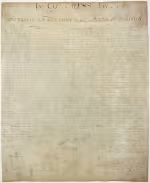
This foundational document declares American independence from Britain and outlines the grievances that led to this break.
People
British monarch who reigned for six decades, overseeing Britain's loss of American colonies and the defeat of Napoleon, while battling mental illness.
Author of Letters from a Farmer in Pennsylvania who opposed parliamentary taxation but refused to sign the Declaration of Independence, later championing the Constitution.
Organizations
Led the U.S. government prior to the Articles of Confederation, created the Continental Army, and issued the Declaration of Independence.