
The Declaration of Independence: The Edits
Produced by ClickView for forgingUS, a project of the Center for Digital Editing at the University of Virginia. © 2026 The Rector and Visitors of the University of Virginia. All rights reserved.
This film explores how the Continental Congress refined the Declaration of Independence through an intensive editing process in 1776. Initially drafted by Thomas Jefferson and the Committee of Five, the document was submitted on June 28 for congressional review. Delegates from across the thirteen colonies debated and revised the text to ensure it reflected a unified political stance. Language was carefully adjusted, including changing “sacred and undeniable” to “self-evident,” shifting the argument toward Enlightenment reasoning, and redefining colonists as citizens rather than subjects. Between July 3 and July 4, delegates made both subtle and sweeping edits, including softening criticism of the British people to maintain potential alliances. The most significant removal was Jefferson’s condemnation of slavery, eliminated due to objections from pro-slavery colonies, leaving a lasting contradiction. In total, 86 changes shortened the document by roughly one-quarter, transforming it into a collective work shaped by compromise, diplomacy, and political necessity.
Want to know more?
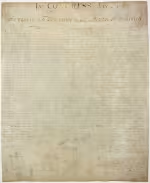
This foundational document declares American independence from Britain and outlines the grievances that led to this break.
People
British monarch who reigned for six decades, overseeing Britain's loss of American colonies and the defeat of Napoleon, while battling mental illness.
A prominent early-American politician who drafted the Declaration of Independence and served as the third U.S. president.
Organizations
Led the U.S. government prior to the Articles of Confederation, created the Continental Army, and issued the Declaration of Independence.
Drafted the Declaration of Independence. Its members were: Thomas Jefferson, John Adams, Benjamin Franklin, Roger Sherman, and Robert R. Livingston.
Places
Additional Resources
-
A look at how the Declaration of Independence evolved from a draft into a unified national document through collaboration, revision, and compromise.
-
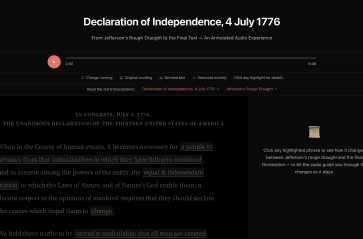
This interactive audio experience shows how Congress collectively revised Jefferson's draft of the Declaration of Independence.
-
Common Sense used accessible language to galvanize colonial support for independence, reframing the Revolution as a universal fight for freedom.
-
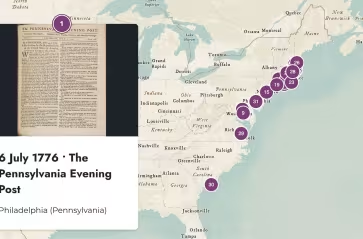
Interactive map tracks how 31 colonial newspapers spread the Declaration of Independence through print in the months following 4 July 1776.
-
Film exploring how women's letters became tools of resistance during the American Revolution, documenting boycotts, petitions, and wartime hardships.
-
Film about political writer who shaped Revolutionary War opinion through satirical plays and pamphlets, and wrote one of the first histories by a woman.
-
Film exploring how Black soldiers fought for liberty on both sides of the Revolutionary War, yet faced re-enslavement and historical erasure.
-
Explores Jefferson's 'fair copies' of the Declaration of Independence, revealing his original draft and passages Congress removed, including his condemnation of slavery.
Related Exhibits
-
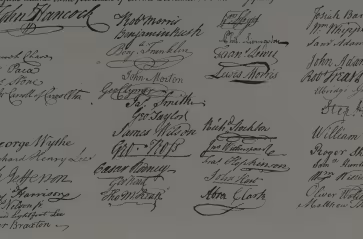
Editing Independence explores documentary editing through Declaration signers, featuring events, exhibits, and key historical figures and places.