
The Declaration of Independence: The Original Marketing Campaign
Produced by ClickView for forgingUS, a project of the Center for Digital Editing at the University of Virginia. © 2026 The Rector and Visitors of the University of Virginia. All rights reserved.
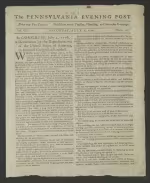
This film presents the United States Declaration of Independence as a strategic communication campaign designed to justify independence and gain international and domestic support. By 1776, colonial leaders had spent years petitioning British Parliament for representation and fair treatment, but their appeals were repeatedly ignored. As conflict escalated into the American Revolutionary War, the colonies needed to legitimize their cause. The Declaration established a clear structure: first outlining universal principles of equality and natural rights, then presenting evidence through 27 grievances against King George III, and finally declaring separation from Great Britain. Its repeated phrasing reinforced the argument of sustained injustice. Widely distributed through newspapers and broadsides, the document aimed to unify the colonies and persuade foreign nations to support the emerging United States, making it one of the most influential political communications in history.
Want to know more?
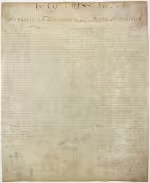
This foundational document declares American independence from Britain and outlines the grievances that led to this break.
People
British monarch who reigned for six decades, overseeing Britain's loss of American colonies and the defeat of Napoleon, while battling mental illness.
Organizations
Led the U.S. government prior to the Articles of Confederation, created the Continental Army, and issued the Declaration of Independence.
UK Parliament: supreme legislative body that governed Britain and colonies. Its post-1763 policies sparked American colonial resistance and Revolution.
Drafted the Declaration of Independence. Its members were: Thomas Jefferson, John Adams, Benjamin Franklin, Roger Sherman, and Robert R. Livingston.