
Influencer of the Revolution: Thomas Paine
Produced by ClickView for forgingUS, a project of the Center for Digital Editing at the University of Virginia. © 2026 The Rector and Visitors of the University of Virginia. All rights reserved.
This film examines the influential role of Thomas Paine as a revolutionary communicator during the American Revolutionary era. Born in England in 1737 and largely self-educated, Paine drew on a wide range of political and philosophical ideas to argue that government should serve ordinary people rather than those in power. After relocating to Philadelphia at the encouragement of Benjamin Franklin, Paine published Common Sense in January 1776, a pamphlet that made a direct and compelling case for independence by condemning monarchy as tyranny and asserting that separation from Britain was both necessary and inevitable. Written in clear, accessible language, it reached a wide audience and helped shift colonial opinion toward revolution in the months leading up to the Declaration of Independence. As the war continued and morale declined, Paine authored The American Crisis, a series of pamphlets that inspired perseverance and reframed the struggle as a defining moment for freedom. His later works, including The Rights of Man and The Age of Reason, expanded his influence but also sparked significant controversy. Through his writing, Paine demonstrated the power of persuasive communication to shape public thought, mobilize support, and influence the course of history.
Want to know more?
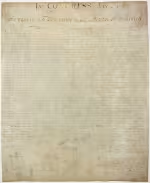
This foundational document declares American independence from Britain and outlines the grievances that led to this break.
People
Author of Common Sense, the 1776 pamphlet urging American independence, and Rights of Man, defending the French Revolution and critiquing religion.
Helped draft the Declaration of Independence and worked to secure the crucial Franco-American alliance that changed the course of the Revolution.