
The Revolution: Common Sense
Produced by ClickView for forgingUS, a project of the Center for Digital Editing at the University of Virginia. © 2026 The Rector and Visitors of the University of Virginia. All rights reserved.
This film examines the powerful impact of Common Sense by Thomas Paine during the American Revolutionary War. Born in England and influenced by Enlightenment ideals, Paine argued that governments derive their authority from the consent of the governed and must protect natural rights. Published anonymously in Philadelphia in 1776, the pamphlet appeared at a critical moment following the Battles of Lexington and Concord, when colonists were divided between independence, loyalty to King George III, and hopes for reconciliation. Written in clear, direct language, Paine made complex political ideas accessible to ordinary people. The pamphlet argued against monarchy, criticized British rule as tyrannical, and asserted that independence was both necessary and achievable. Structured in four parts, it addressed the origins of government, the illegitimacy of hereditary rule, the impossibility of reconciliation, and the colonies’ capacity for self-governance. Rapidly spreading across the colonies, with approximately 150,000 copies circulated by the end of 1776, Common Sense helped shift public opinion toward independence. It demonstrated the power of ideas and communication in shaping revolutionary action.
Want to know more?
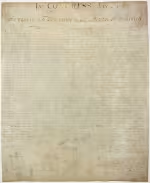
This foundational document declares American independence from Britain and outlines the grievances that led to this break.
People
Author of Common Sense, the 1776 pamphlet urging American independence, and Rights of Man, defending the French Revolution and critiquing religion.