
The Revolution: Freedom Petitions
Produced by ClickView for forgingUS, a project of the Center for Digital Editing at the University of Virginia. © 2026 The Rector and Visitors of the University of Virginia. All rights reserved.
This film explores how enslaved African Americans adopted Revolutionary rhetoric to demand liberty; Explains limited access to political power and petitioning; Highlights 1773 Massachusetts petition by enslaved men; Details Prince Hall’s 1777 petition invoking natural rights; Emphasizes petitions as acts of resistance despite frequent rejection; Connects these efforts to gradual abolition in Northern states by 1783; Shows continued legal and political challenges to slavery after the Revolution.
Want to know more?
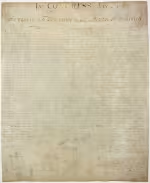
This foundational document declares American independence from Britain and outlines the grievances that led to this break.
Places
Additional Resources
-
Film exploring Abigail Adams's political influence during the American Revolution, including her famous plea to "Remember the Ladies" in 1776.
-
Film examines how letters, pamphlets, and print shaped Revolutionary War politics, despite unequal access to literacy across class, race, and gender.
-
Film about political writer who shaped Revolutionary War opinion through satirical plays and pamphlets, and wrote one of the first histories by a woman.
-
Colonial newspapers evolved from commerce-focused publications into revolutionary tools that unified colonists and spread ideas of independence.
-
Common Sense used accessible language to galvanize colonial support for independence, reframing the Revolution as a universal fight for freedom.
-
Examines how political cartoons by artists like Paul Revere shaped public opinion and mobilized support during the American Revolutionary era.
-
Film exploring how women's letters became tools of resistance during the American Revolution, documenting boycotts, petitions, and wartime hardships.
-
Explores how the Continental Congress drafted the Declaration of Independence through collaboration among Jefferson, Adams, Franklin, and others.
Related Exhibits
-
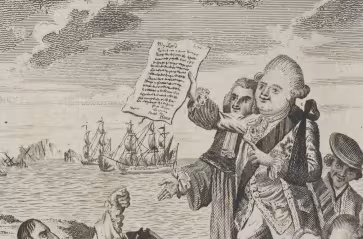
The Declaration of Independence forced Americans into a civil war, where printers, Mohawk leaders, and enslaved people chose between liberty and loyalty.