
The Revolution: Trending in the 18th Century
Produced by ClickView for forgingUS, a project of the Center for Digital Editing at the University of Virginia. © 2026 The Rector and Visitors of the University of Virginia. All rights reserved.
This film draws a parallel between modern social media hashtags and the powerful political slogans of the 18th century, focusing on “no taxation without representation” as a unifying force during the American Revolutionary era. It highlights the early legal challenge by Boston lawyer James Otis Jr. against British writs of assistance in the 1760s, which allowed invasive searches of colonial homes. Although Otis lost his case, his arguments influenced colonial thought and inspired figures like John Adams, who later reflected on the moment as a turning point toward independence. As British taxation increased, the phrase gained traction across the colonies, appearing in public demonstrations, pamphlets, and political discourse. It mobilized various groups, including women participating in boycotts and the Sons of Liberty organizing protests. Influential writers like Thomas Paine and the authors of the Declaration of Independence further amplified its message. Ultimately, the slogan helped unify the colonies, shape a shared political identity, and fuel the movement toward revolution.
Want to know more?
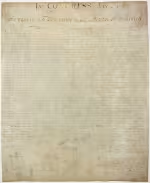
This foundational document declares American independence from Britain and outlines the grievances that led to this break.
People
Author of Common Sense, the 1776 pamphlet urging American independence, and Rights of Man, defending the French Revolution and critiquing religion.
Lawyer who defended British soldiers after the Boston Massacre, championed independence in Congress, and served as the second U.S. president.
Organizations
Colonial activists network opposing British taxation. Organized protests including Boston Tea Party, mobilizing resistance for American independence.