
The Revolution: Writing the Resistance
Produced by ClickView for forgingUS, a project of the Center for Digital Editing at the University of Virginia. © 2026 The Rector and Visitors of the University of Virginia. All rights reserved.
This film highlights how women in the American Revolutionary War transformed letter writing into a powerful tool of resistance and connection. In the 1700s, when communication depended on written correspondence, literate women created informal networks that linked families and strengthened the Patriot cause. Figures like Anne Terrel encouraged economic resistance through boycotts and self-sufficiency, while others petitioned the Continental Congress, sought legal remedies, and organized support for the Continental Army. Meanwhile, writers such as Eliza Wilkinson documented the hardships of British occupation in Charleston, describing displacement and daily struggles. Anne Shippen revealed the personal toll of the war through accounts of family and emotional upheaval. Together, these letters preserved firsthand experiences of the Revolution, demonstrating that women’s private lives were deeply political and that their written words played a critical role in shaping resistance and sustaining the revolutionary movement.
Want to know more?
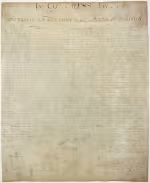
This foundational document declares American independence from Britain and outlines the grievances that led to this break.