
Unfinished Liberty
Produced by ClickView for forgingUS, a project of the Center for Digital Editing at the University of Virginia. © 2026 The Rector and Visitors of the University of Virginia. All rights reserved.
This film examines the contradiction at the heart of the American Revolutionary War, where Black men fought for liberty while many remained enslaved. In 1775, people of African descent made up a significant portion of the population in the Thirteen Colonies, most living in bondage. Early in the war, both Patriot and Loyalist forces hesitated to arm enslaved men, fearing rebellion. This changed when Lord Dunmore issued a proclamation offering freedom to enslaved men who joined the British cause. As the war progressed and casualties increased, the Continental Army began accepting free Black soldiers, and some states offered emancipation in exchange for military service. Thousands of Black men joined both sides, seeking freedom. After the war, outcomes varied: some gained emancipation, land, or pensions, while many were re-enslaved. Black veterans petitioned courts and legislatures for recognition of their service and rights, with mixed success. By the time of the United States Centennial, their contributions were largely overlooked. Only in later years did memorials and historical recognition begin to acknowledge the sacrifices of Black Revolutionary soldiers, revealing the Revolution as a struggle for liberty that remained incomplete for many.
Want to know more?
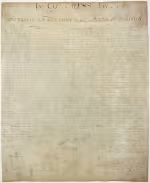
This foundational document declares American independence from Britain and outlines the grievances that led to this break.
People
Colonial governor whose 1775 promise of freedom to enslaved people who joined British forces and attempts to suppress Virginia rebels hastened revolution.