
Letter
A written message sent from one person or group to another to communicate information, ideas, or requests.
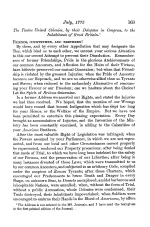
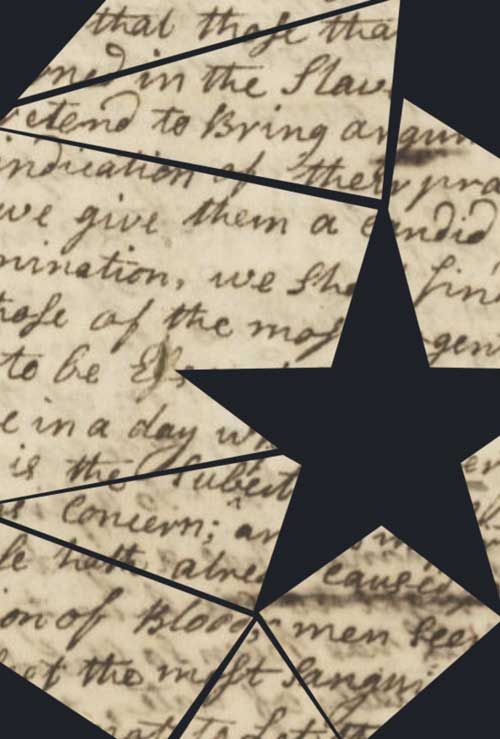
This letter by Robert R. Livingston defends colonial resistance and seeks reconciliation while detailing grievances, including Boston's occupation.
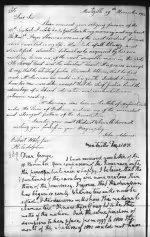
John Alsop resigns from Congress, opposing New York's declaration of independence and expressing his preference for reconciliation with Britain.
New York delegates seek guidance from their Provincial Congress, navigating their colony's unique position as independence nears a final vote.
New York's Continental Congress delegates give legislative updates and agree not to approve independence without orders from their provincial government.
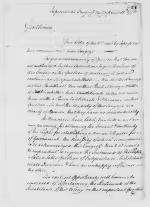
Nathaniel Woodhull forbids New York's delegates to the Continental Congress from voting on independence, revealing colonial hesitation prior to July 1776.
A few weeks prior to the Declaration, New York delegates to the Second Continental Congress question whether they have authority to vote on independence.
John Adams praises Roger Sherman as a self-educated revolutionary pillar with unmatched clarity and steadiness.
Jefferson recalls Roger Sherman's role in drafting the Declaration of Independence, praising his logical debate skills and revolutionary principles.
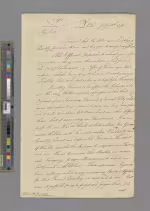
Benjamin Franklin denounces British attacks on Americans and rejects the possibility of reconciliation.
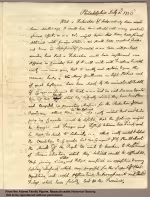
John Adams predicts that July 2 will be celebrated as America's independence day and reflects on the Declaration's timing.